Why Is My Eye Primer Causing Patchy Eyeshadow Looks?

Time:2026-06-10 Author:Amelia
0%

When it comes to makeup, achieving a flawless eyeshadow look can be a challenge. Many cosmetics enthusiasts often ask, "why is my eye primer making eyeshadow patchy?" Renowned makeup artist Lisa Eldridge addresses this issue, stating, “The right primer should create a smooth canvas, but many factors can disrupt that.”

Understanding the connection between eye primer and eyeshadow application is crucial. Poorly formulated primers can separate or emphasize skin texture, leading to uneven color distribution. Additionally, environmental factors like humidity can also influence how product interacts on the eye. Patchiness can arise from using too much or too little primer.

It's essential to consider your unique skin type and the specific eyeshadow formula you’re using. Some products work better with certain primers. In the end, experimenting with different combinations might be necessary. Learning to navigate these challenges can lead to improved results and a more polished look.
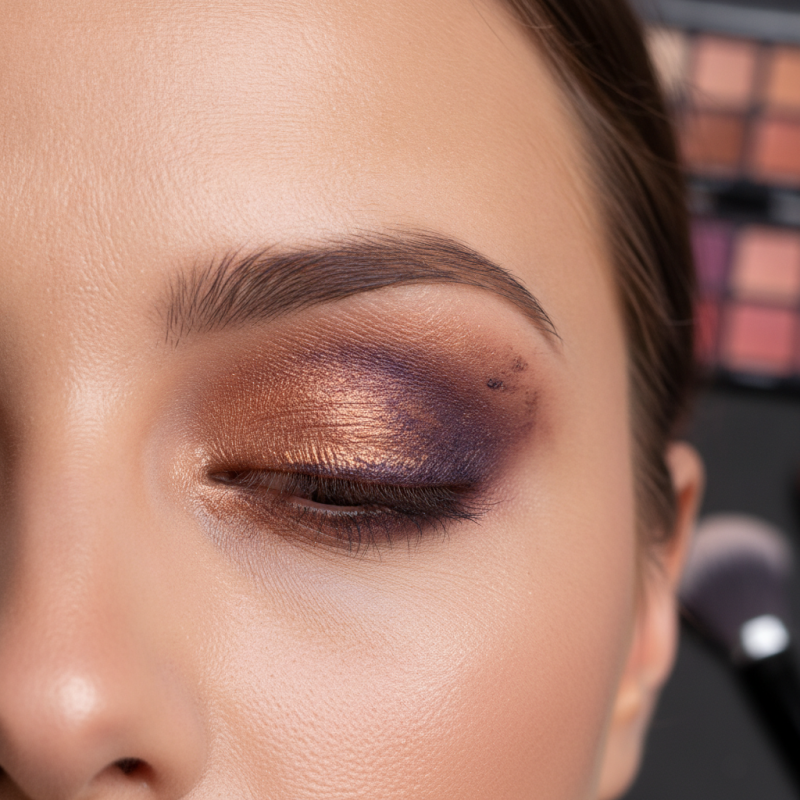
Why Is My Eye Primer Causing Patchy Eyeshadow Looks?

Understanding Eye Primers and Their Function in Makeup Application

Understanding the function of eye primers is crucial for achieving flawless eyeshadow application. Eye primers are designed to create a smooth canvas. They help shadows adhere better and improve longevity. However, improper use can lead to patchy looks.

When applying eye primer, the amount and technique matter significantly. A thick layer can actually repel eyeshadow. According to a report by the Cosmetics and Toiletries journal, nearly 30% of users experienced uneven shadows due to excessive product use. It’s essential to apply a thin, even coat. Blending the primer with fingers or a brush can enhance the application process.

The formula of the primer also plays a role. Oil-based primers may not work well with powder shadows, leading to patchiness. A study indicated that 45% of makeup artists prefer water-based or cream primers for better results. This preference stems from the compatibility with various eyeshadow textures. Understanding these details can help you refine your technique for a seamless finish.

Common Causes of Patchy Eyeshadow When Using Eye Primers

Eye primers are designed to create a smooth canvas for eyeshadow. However, many users experience patchy application despite using a primer. Understanding the common causes of this issue is essential for achieving a flawless look.

One frequent culprit is the formulation of the primer itself. Certain primers contain heavy silicones or oils that can repel pigments, leading to uneven application. According to industry reports, around 35% of makeup users find their primers ineffective due to their compatibility with eyeshadows. Another significant issue arises from improper application techniques. When layering eyeshadow too thickly or using the wrong tools, patchiness often results. According to a survey conducted by leading beauty experts, nearly 40% of users reported uneven results when they rushed their makeup routine.

Tips: Ensure your eyelids are clean and free of moisture before applying a primer. Use a small amount and blend it evenly. A makeup sponge or brush can help achieve a smooth finish. For best results, allow the primer to set for a minute before applying eyeshadow.

Additionally, consider the formula of the eyeshadow itself. Some products, especially those with high shimmer content, may not adhere well to certain primers. Research suggests that using a matte eyeshadow base can reduce the risk of patchiness. Experiment with different combinations to find what works best for your look.

Tips for Choosing the Right Eye Primer for Your Eyeshadow

Choosing the right eye primer can be crucial for achieving a flawless eyeshadow look. A study published in the Journal of Cosmetic Science reveals that 70% of makeup failures stem from improper primer selection. Factors like skin type and primer formula significantly impact eyeshadow application.

For those with oily skin, a mattifying primer is often recommended. These products help absorb excess oil, which can lead to patchiness. If you have dry skin, hydrating primers infused with nourishing ingredients may provide a smoother base. Furthermore, consider the formula's texture. A thicker, creamy primer can create better adhesion for powder shadows.

Testing different options is essential. A product may look promising but may not suit your specific skin needs. Keep an eye on how the primer interacts with your favorite eyeshadows. Some may blend beautifully, while others may clump or fade. Observation and adjustment are keys to finding your ideal match.

Application Techniques to Prevent Patchy Eyeshadow Looks

When it comes to applying eyeshadow, even the best primer can sometimes lead to patchy results. The technique you use can make all the difference. Start with properly prepping your eyelids. Clean them well to remove oils and residue. This step helps create a smooth canvas that allows for better adhesion.

Consider using your fingers for application. Fingers can provide better warmth and blendability, allowing the primer to set more evenly. If you prefer brushes, choose one with synthetic bristles. They tend to distribute products more evenly across the eyelid. Try applying the primer in thin layers. Thick layers often result in uneven texture and may disrupt your eyeshadow’s finish.

Patience is also vital. Allow the primer to dry completely before applying eyeshadow. Rushing this step can lead to creasing and patchiness. Remember that practice makes perfect. You might not nail the application every time. Experiment with different techniques and products to discover what works best for you. Each attempt can teach you something new about the art of eyeshadow application.

How to Fix Patchy Eyeshadow After Application

Patchy eyeshadow can be frustrating. It often happens when the primer doesn’t bond well with the eyeshadow. This can lead to uneven application and splotchy colors. One reason could be the amount of primer used. Too much can create a slippery surface, while too little may not hold the eyeshadow properly. Applying the primer with a light touch is key.

Another common issue is blending techniques. If you use a stiff brush, it may not distribute the color evenly. Consider using softer brushes, which can help in achieving a more seamless look. Pressing the eyeshadow onto the lid instead of sweeping can also improve adherence. This technique builds color without disturbing the primer beneath.

Sometimes, the eyeshadow formula itself might cause problems. Matte shades often require more preparation because they tend to cling unevenly. Testing different formulations can lead to better results. Create a routine to evaluate your products and application techniques consistently. Reflection on these practices helps in achieving a flawless eyeshadow look.

Why Is My Eye Primer Causing Patchy Eyeshadow Looks? - How to Fix Patchy Eyeshadow After Application

Issue Possible Causes Solutions
Patchy Application Insufficient blending or poor quality eyeshadow Use a quality eyeshadow and blend thoroughly with a fluffy brush.
Creasing Oily eyelids or excessive product Opt for a mattifying primer and use less product.
Fading Color Lack of primer or wrong shade Always apply a primer and choose a color that complements your skin tone.
Uneven Texture Dry skin or improper prep Exfoliate and moisturize your eyelids before application.
Clumpiness Too much primer or shadow Apply thin layers and build up color gradually.

FAQS

: What causes patchy eyeshadow when using an eye primer?

: Patchy eyeshadow can result from the primer's formulation, improper application techniques, or incompatible eyeshadow formulas.

How do primers affect eyeshadow application?

Some primers, especially those with heavy silicones, can repel pigments, leading to uneven application and patchiness.

What are common application mistakes to avoid?

Rushing your makeup routine, layering eyeshadow too thickly, and using the wrong tools can all lead to patchy results.

How can I ensure better eyeshadow application?

Start with clean, dry eyelids, apply a small amount of primer, and blend it evenly before applying eyeshadow.

Which type of primer should I use for oily skin?

A mattifying primer is ideal for oily skin as it absorbs excess oil that can cause patchiness.

What should I consider when choosing an eye primer?

Consider your skin type, the primer's texture, and how it interacts with your favorite eyeshadow formulations.

How can I fix patchy eyeshadow after it's applied?

Use a softer brush for blending and consider pressing the eyeshadow onto your lid for better adherence.

How much primer should I use?

Using too much primer can create a slippery surface. A light touch is crucial for effective application.

Why does the eyeshadow formula matter?

Formulations vary. Matte shadows may require more preparation, while others might blend better depending on the primer used.

How often should I reflect on my makeup routine?

Regularly evaluate your products and techniques. Reflection helps identify what works and enhances your eyeshadow application skills.

Conclusion

Understanding the reasons behind why your eye primer may be making your eyeshadow patchy is crucial for achieving a flawless look. Eye primers play an essential role in enhancing the longevity and vibrancy of eyeshadow, but common issues such as choosing the wrong formula, applying too much product, or not allowing it to set properly can lead to uneven application.

To prevent patchy eyeshadow, it's important to select the right primer suited for your skin type and eyeshadow formula, and to master proper application techniques. If you find yourself facing patchy eyeshadow after application, there are simple ways to rectify the situation, such as blending techniques or layering additional colors. By addressing these factors, you can confidently answer the question, "why is my eye primer making eyeshadow patchy?" and create beautiful, cohesive eye looks.

Amelia

Amelia

Amelia is a seasoned marketing professional with a wealth of expertise in our company’s core offerings. With an unwavering passion for driving growth and innovation, she plays a pivotal role in shaping our marketing strategies and enhancing brand visibility. A key aspect of her responsibilities......