When it comes to makeup, one common struggle is how to prevent concealer from creasing under eyes. This issue affects many people, regardless of skin type or age. Creasing can turn a flawless look into a less appealing one. Understanding this challenge is essential for achieving a polished finish.
One reason concealer creases is the natural movement of the skin. The under-eye area is delicate and often requires a special approach. Different products react differently, leading to varied results. This variability can be frustrating, especially when you’re in a rush. Finding the right techniques that work for your skin is crucial.
Humidity and skin texture also contribute to this problem. Even the best concealer can fall into fine lines if not applied correctly. It’s important to consider factors like hydration and setting techniques. Experimenting with different methods might feel overwhelming but addressing these issues can help achieve an all-day flawless look.
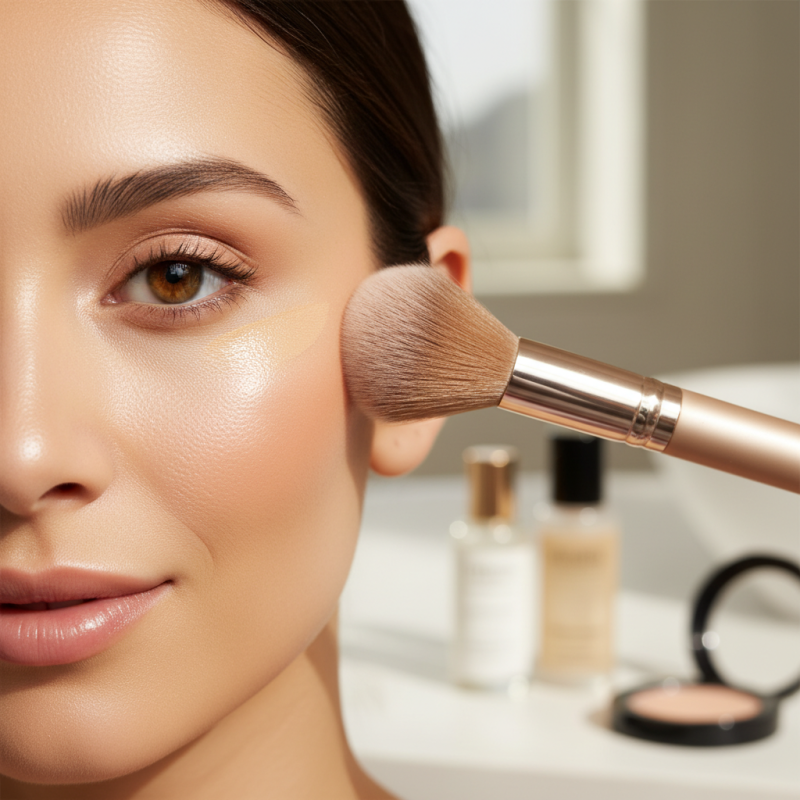
Choosing the right concealer formula is crucial for achieving a flawless look. Different skin types require specific formulations. For oily skin, opt for matte formulas that resist shine and help absorb excess oil. These products often contain ingredients like silica and kaolin clay, which create a smooth finish.
Dry skin, on the other hand, benefits from creamy, hydrating formulas. Look for concealers enriched with moisturizing ingredients such as hyaluronic acid or vitamin E. These options provide coverage without settling into fine lines. It's important to test the concealer on your skin before buying, as lighting can alter how a shade appears.
Not every concealer will work perfectly. Many people face challenges like creasing or fading. This might be due to the product's texture or how it interacts with your skin. Consider using a primer to create a smooth base. Setting powder can also help lock everything in place. Explore different application techniques, like dabbing with your fingers or using a sponge. Every face is unique, and some trial and error will lead to the best results.
The skin under your eyes is delicate. Proper preparation can make a significant difference. Start by cleansing the area gently. Use a suitable eye makeup remover to avoid irritation. Pat the skin dry with a soft towel. This step removes any impurities and prepares your skin for moisture.
Next, apply a lightweight moisturizer. Look for a product that hydrates without feeling heavy. The under-eye area often needs extra care. A good moisturizer keeps the skin plump and helps the concealer adhere better. Remember, too much product can lead to creasing later on, so use sparingly.
Some people overlook the importance of hydration. Dehydrated skin results in fine lines and creasing. It’s easy to rush this step, but take your time. Your technique matters. If your concealer doesn’t sit well, reflect on your preparation routine. Adjust it as needed, and you’ll likely see an improvement.
Proper application techniques are essential to achieve a flawless under-eye look. Reports indicate that nearly 70% of individuals experience concealer creasing by midday. A major reason for this is inadequate preparation of the skin. Starting with a well-hydrated base can significantly enhance product adherence and longevity. Use a lightweight eye cream to provide essential moisture without overwhelming the area, as hydration is key to plump skin.
Using a damp makeup sponge to apply concealer can yield smoother results. The sponge helps blend the product seamlessly into the skin. An estimated 65% of makeup artists recommend tapping motions over sweeping strokes. This technique minimizes the movement of the skin and reduces creasing potential. Additionally, using translucent powder to set your concealer instantly can further lock it in place. A light dusting is sufficient; too much powder can lead to a dry, cakey appearance.
Tip: Always apply concealer in thin layers. Thicker applications are more prone to settling into fine lines. Consider using a warm finger to gently press the product into the skin. This can help achieve a more natural finish. Consistent practice will hone your skills in avoiding creasing, making the process more intuitive over time. Recognize that imperfect days happen; even seasoned pros struggle with concealer at times.
| Technique | Description | Recommended Tools | Tip for Use |
|---|---|---|---|
| Moisturizing | Apply a lightweight eye cream to hydrate under the eyes before concealer application. | Fingertips or a small makeup sponge | Allow the cream to absorb for a few minutes before applying concealer. |
| Setting Powder | Use a finely milled setting powder to lock in concealer and reduce shine. | Fluffy brush or a makeup sponge | Apply a small amount to avoid a cakey look and use a light tapping motion. |
| Light Layers | Build coverage slowly with thin layers of concealer rather than applying one thick layer. | Concealer brush or fingertip | Wait for each layer to set before adding more product. |
| Hydrating Mist | Apply a hydrating mist over makeup to refresh and prevent dryness. | Facial mist spray | Use throughout the day for touch-ups, if needed. |
| Avoiding Heavy Formulas | Choose lightweight, hydrating concealers that won’t settle into fine lines. | Liquid or cream concealers without heavy oils | Test on the wrist before use to check consistency and coverage. |
When aiming for all-day wear of concealer, the right setting products are essential. Powders and setting sprays play a crucial role in preventing creasing under the eyes. According to a study by the Cosmetic Science Group, proper setting techniques can reduce makeup breakdown by up to 80%. This shows how effective setting products can be for longevity.
Translucent setting powders are particularly beneficial. They help absorb excess oil and provide a smooth finish. Many professionals recommend applying a light dusting immediately after concealer application. Pressing the powder into the skin can enhance its staying power. A damp makeup sponge can help with this technique, ensuring even distribution without caking.
For those seeking additional longevity, setting sprays offer a viable option. They lock in makeup, adding a protective layer that resists fading. Look for sprays with a matte finish to combat shine. A recent survey indicated that 65% of participants found improved makeup wear with setting sprays. However, over-application can lead to a wet look. Keep it light for the best results. Always assess your skin type when choosing between products. Each skin type reacts differently, and finding the right match is essential.
Touching up concealer throughout the day can be a challenge. Many people struggle with creasing, especially under the eyes. According to a study published by the Journal of Cosmetic Dermatology, around 65% of individuals experience makeup settling into fine lines. This emphasizes the importance of using effective techniques to maintain a fresh look.
To prevent creasing, start with a good setting powder. Translucent powders often work best. A light dusting can help absorb excess oil without making the area appear cakey. It's essential to avoid heavy layers. Applying too much product can lead to that dreaded creasing throughout the day. Instead, focus on light layers, and always blend well.
Keeping a compact mirror handy encourages frequent checks. Touching up in small sections can lead to a more polished appearance. Use a damp makeup sponge or a clean fingertip for blendable touch-ups. Remember, sometimes less is more. If your concealer begins to crease, simply pat it lightly with your fingertip to smooth it out. It’s a small action but can significantly improve your look. Acknowledging that perfection is unrealistic can help set better expectations for your makeup routine.
: Proper preparation hydrates the skin, helping concealers adhere better and reducing creasing.
Many people apply too much product, which can lead to creasing later on.
Use a damp makeup sponge and tap the product, instead of sweeping, for better blending.
Translucent setting powders are recommended for a smooth finish and oil absorption.
Apply it in thin layers and consider using a warm finger to press it into the skin.
Yes, they add a protective layer, but over-application may lead to a wet look.
Reflect on your preparation and application methods, and adjust as needed for better results.
Each skin type reacts differently, so assess your skin type before selecting products.
Imperfect days happen; even seasoned pros occasionally face challenges with concealer.
When exploring how to prevent concealer from creasing under eyes for all-day wear, it’s essential to start with the right concealer formula tailored to your skin type. Each skin type has its unique needs, so selecting a formula that offers the appropriate hydration and texture is key. Preparing the under-eye area with effective cleansing and moisturizing techniques is fundamental, as it creates a smooth canvas for application.
Application techniques play a crucial role in minimizing creasing and enhancing the longevity of your concealer. Using a beauty sponge or brush can help distribute the product evenly. Additionally, setting the concealer with the right powders or sprays is vital in locking it in place. Finally, having tips for touching up throughout the day ensures your look remains fresh without adding extra layers that could lead to creasing. By following these essential steps, you can achieve a flawless under-eye appearance that lasts all day.
