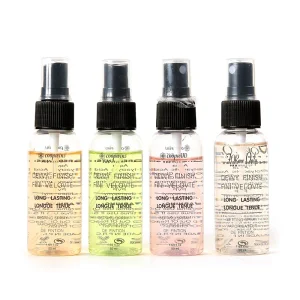
Featured Industrial Formulations
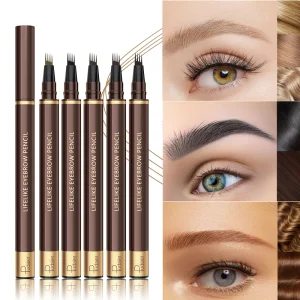
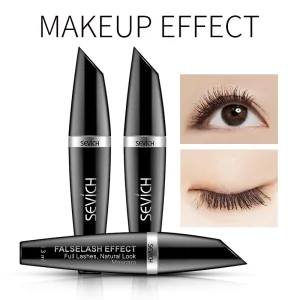
Explore our leading OEM cosmetic solutions engineered for absolute wearability, long-lasting performance, and clean-label compliance.
Chapter 1: The Macro Global Landscape of Makeup Setting Sprays
Analysis of market forces, consumer demands, and the industrial shift towards advanced locking cosmetics.
The global beauty market is undergoing a structural paradigm shift, with long-wear cosmetics moving from a luxury performance niche to a mainstream consumer expectation. At the center of this transformation lies the makeup setting spray, a product segment that has transitioned from professional makeup artist kits into daily beauty routines worldwide. According to recent market analysis, the global makeup setting spray market is projected to reach USD 1.8 billion by 2030, driven by the rise of "active beauty," long-duration wear requirements, and the consumer demand for transfer-resistant cosmetics under varying climatic conditions.
Historically, setting sprays relied heavily on simple alcohol-based solvent systems that dried rapidly but left the skin tight, dehydrated, and susceptible to barrier disruption. Today's industrial landscape demands a delicate equilibrium: a setting spray must provide an invisible, lightweight, and ultra-flexible polymer barrier that shields makeup from sebum, perspiration, and mechanical friction, while simultaneously delivering skin-compatible hydration and active skincare benefits. This dual action is known in the cosmetics industry as "active setting."
$1.8B
Global Market Value by 2030
8.4%
Compound Annual Growth Rate
CE & FDA
High Regulatory Requirements
16Hr+
Target Durability Standards
From an industrial perspective, manufacturers must now scale production while adhering to stringent international quality controls. The modern makeup setting spray is no longer just a finish-coat cosmetic; it is an engineered formulation. Brands seeking to capture market share are partnering with manufacturers capable of producing CE certified formulations that ensure safety, stability, and high performance across global boundaries.
Chapter 2: The Criticality of CE Certification in Global Distribution
Demystifying regulatory pathways, safety protocols, and quality benchmarks for European and international markets.
For cosmetic brands operating globally, obtaining CE certification (or matching the strict standards of the European Union Regulation 1223/2009) is the gold standard of safety and market accessibility. While CE marking is traditionally associated with hardware, electronics, or medical devices, in the context of cosmetics, the term is widely used to denote compliance with the European Economic Area's (EEA) stringent health, safety, and environmental protection standards.
To qualify as a premier CE Certified Makeup Setting Spray Manufacturer, a facility must execute comprehensive validation protocols across multiple disciplines:
CPSR (Cosmetic Product Safety Report)
Every formula must undergo an exhaustive safety assessment by a qualified toxicologist, mapping raw material toxicity profiles, margins of safety (MoS), and systemic exposure levels.
Microbiological Stability Testing
Formulations must pass rigorous challenge tests (e.g., ISO 11930) to prove that the preservative system remains effective against bacterial, yeast, and mold contamination during its life cycle.
Traceability & PIF Management
A Product Information File (PIF) must be compiled, detailing raw material origins, manufacturing batch records (GMP ISO 22716), and evidence of compliance with animal-testing bans.
Furthermore, CE certification ensures that the packaging components—especially the aerosol or fine-mist trigger spray mechanisms—do not leach heavy metals or phthalates into the aqueous-polymeric matrix. Partnering with a manufacturer like Zhejiang Bareen Beauty Co., Ltd., which enforces stringent quality management systems and utilizes standardized raw materials, guarantees that your brand is protected from legal liability, product recalls, and customs delays in highly lucrative markets.
Chapter 3: Formulation Science & Polymer Chemistry
Under the microscope: film-formers, nozzle dynamics, and the pursuit of the perfect weightless barrier.
The core functionality of a makeup setting spray is governed by polymer physics. When the mist settles on the face, the carrier solvent (usually water or a highly volatile cosmetic alcohol/silicone) evaporates, leaving behind a cohesive, microscopic film. This film acts as a protective shield over the makeup particles, preventing them from dissolving in sweat or being displaced by skin movement.
Modern setting spray formulations are categorized by their polymer bases and functional pathways:
1. PVP (Polyvinylpyrrolidone) and VP/VA Copolymer
These are the classic, high-performance film-forming polymers. They create a firm, rigid network that is highly effective at oil resistance and sweat protection. However, modern formulators optimize their concentration to avoid stiffness, combining them with plasticizers like glycerin or butylene glycol to ensure the film flexes naturally with human facial expressions.
2. Polyurethane-35 and Acrylates Copolymers
Representing the next generation of film technology, Polyurethane-35 is a water-soluble polyurethane polymer that forms a highly flexible, water-resistant, and breathable film. It is highly favored in "clean beauty" and vegan formulations because it provides long wear times (16+ hours) without requiring alcohol to dissolve or stabilize the formulation.
| Polymer Type | Film Flexibility | Water & Sweat Resistance | Finish Character | Optimal Application Scenario |
|---|---|---|---|---|
| PVP / VP/VA | Medium | High | Velvet / Matte | Studio Shooting, Stage Performance, Hot Humid Regions |
| Polyurethane-35 | Excellent | Very High | Natural / Dewy | Everyday Wear, Dry Skin Types, Anti-Pollution Barriers |
| Acrylates Copolymer | High | Medium | Matte / Sebum-Absorbing | Oily Skin, Acne-Prone Skins, Heavy Base Makeup |
Another crucial mechanical variable is nozzle droplet dynamics. A setting spray formula is only as good as its delivery system. If the nozzle produces droplets larger than 100 micrometers, they can pool on the skin, causing the makeup underneath to dissolve or run. Advanced manufacturers utilize precise micro-nozzles designed to emit a homogenous mist with an average droplet size of 30 to 50 micrometers. This ensures rapid solvent evaporation and an instantaneous, dry-touch film layer.
Corporate Profile & Industrial Dominance
Introducing Zhejiang Bareen Beauty Co., Ltd.—your premier partner in cosmetics manufacturing.
Zhejiang Bareen Beauty Co., Ltd. is a professional cosmetics manufacturer and beauty solutions provider based in Zhejiang, China. With years of expertise in the beauty industry, the company specializes in the research, development, production, and global distribution of high-quality cosmetic products. Bareen Beauty is committed to delivering innovative beauty solutions and customized OEM/ODM services to clients worldwide.
Headquartered in one of China's leading manufacturing regions, the company operates modern production facilities equipped with advanced manufacturing technologies and strict quality management systems. By integrating product development, manufacturing, branding support, and international trade services, Bareen Beauty has built a comprehensive beauty industry supply chain that serves customers across the globe.
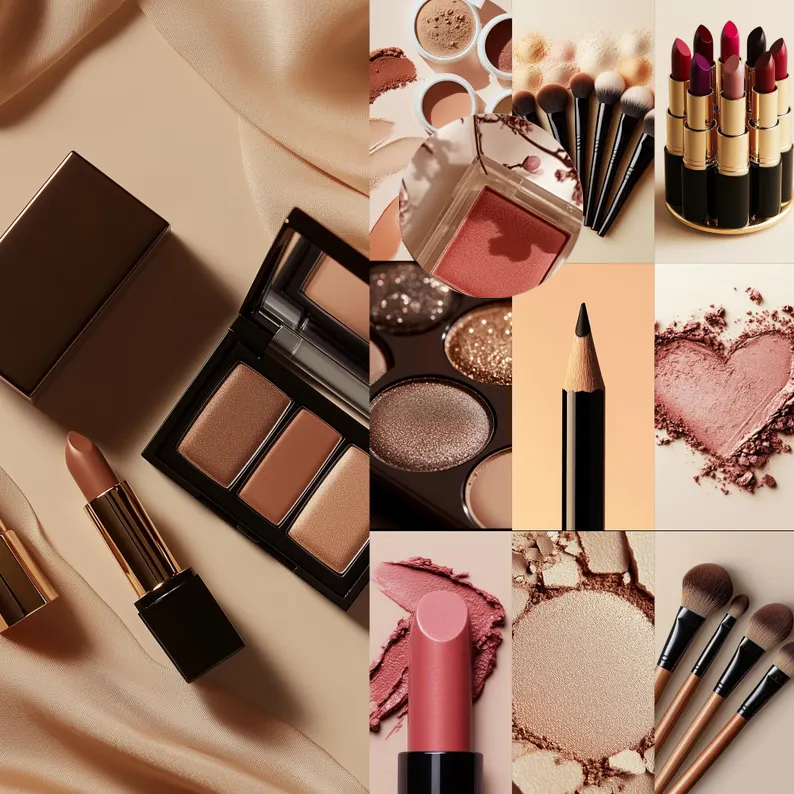
Core Strengths of Bareen Beauty
Innovative Research & Development
Bareen Beauty continuously invests in product innovation and formula development. Supported by a professional R&D team and advanced laboratory facilities, the company collaborates with internationally recognized raw material suppliers to create safe, effective, and market-oriented cosmetic products.
Advanced Manufacturing Capabilities
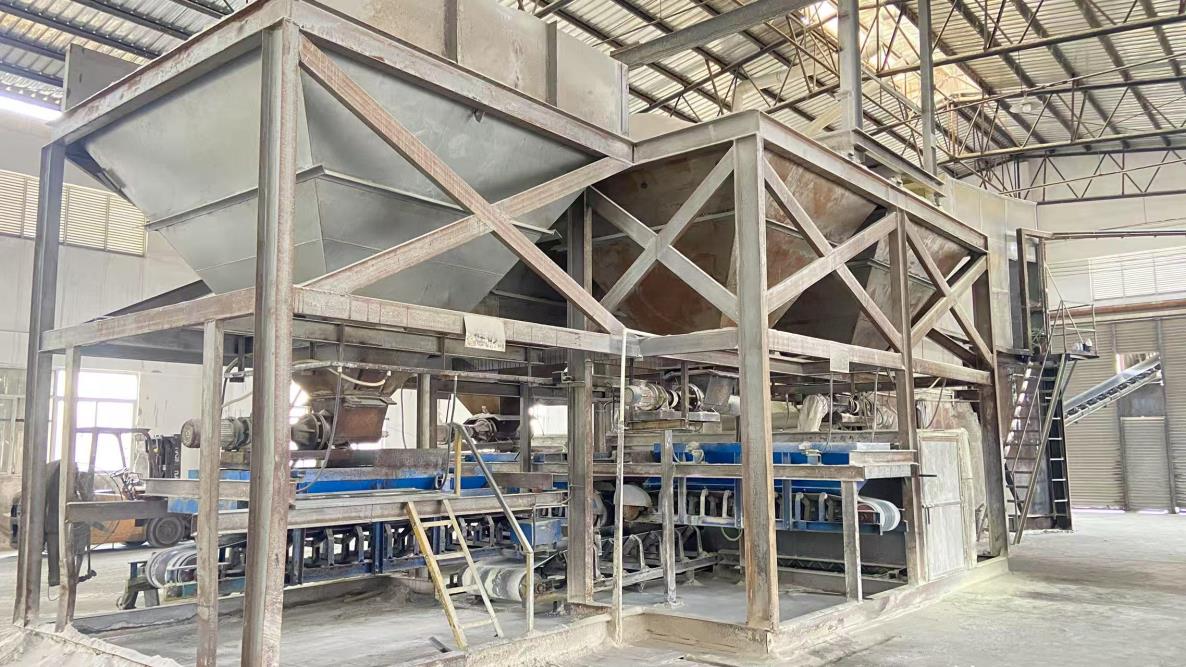
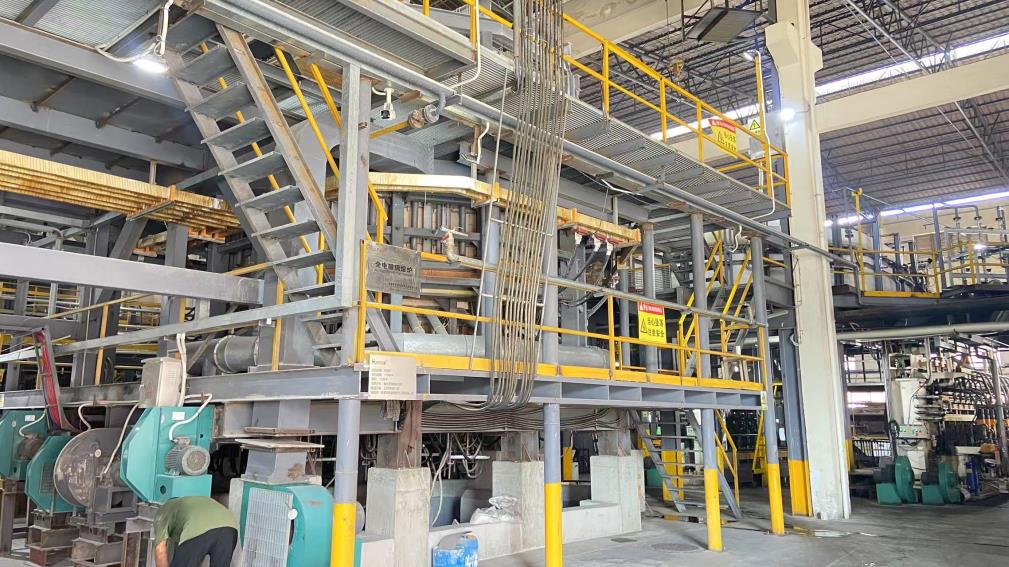
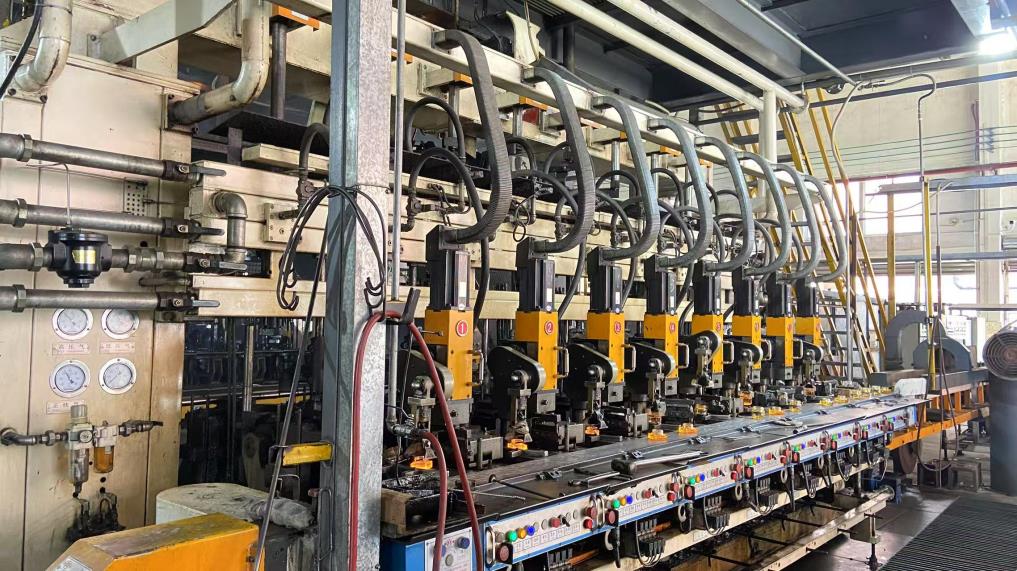
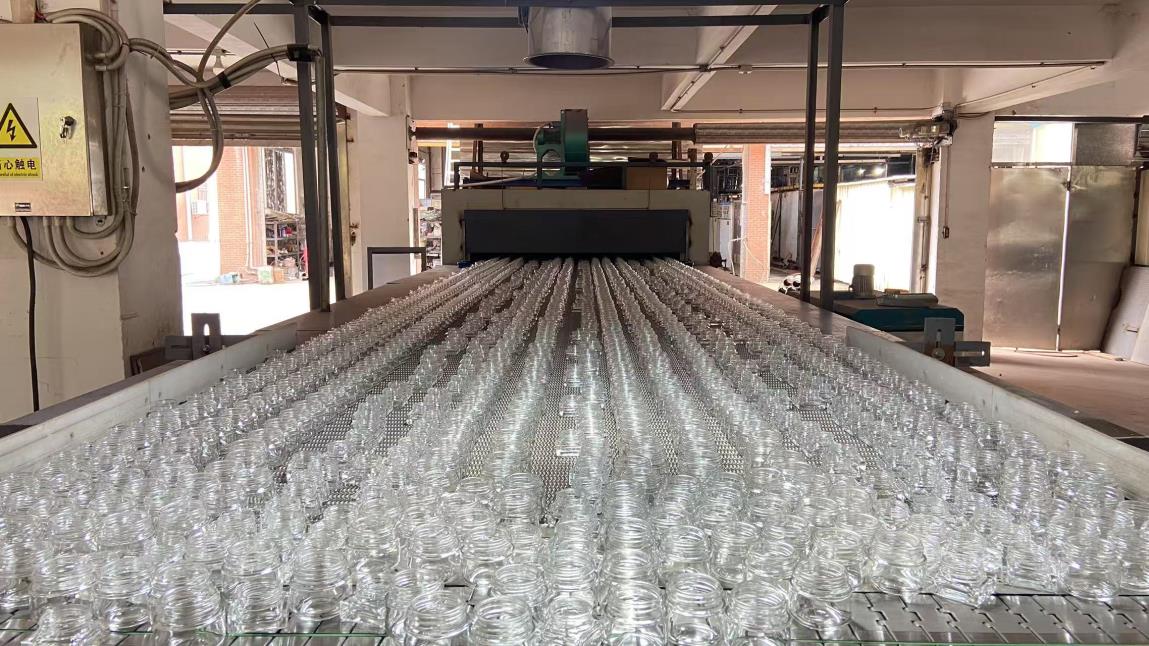
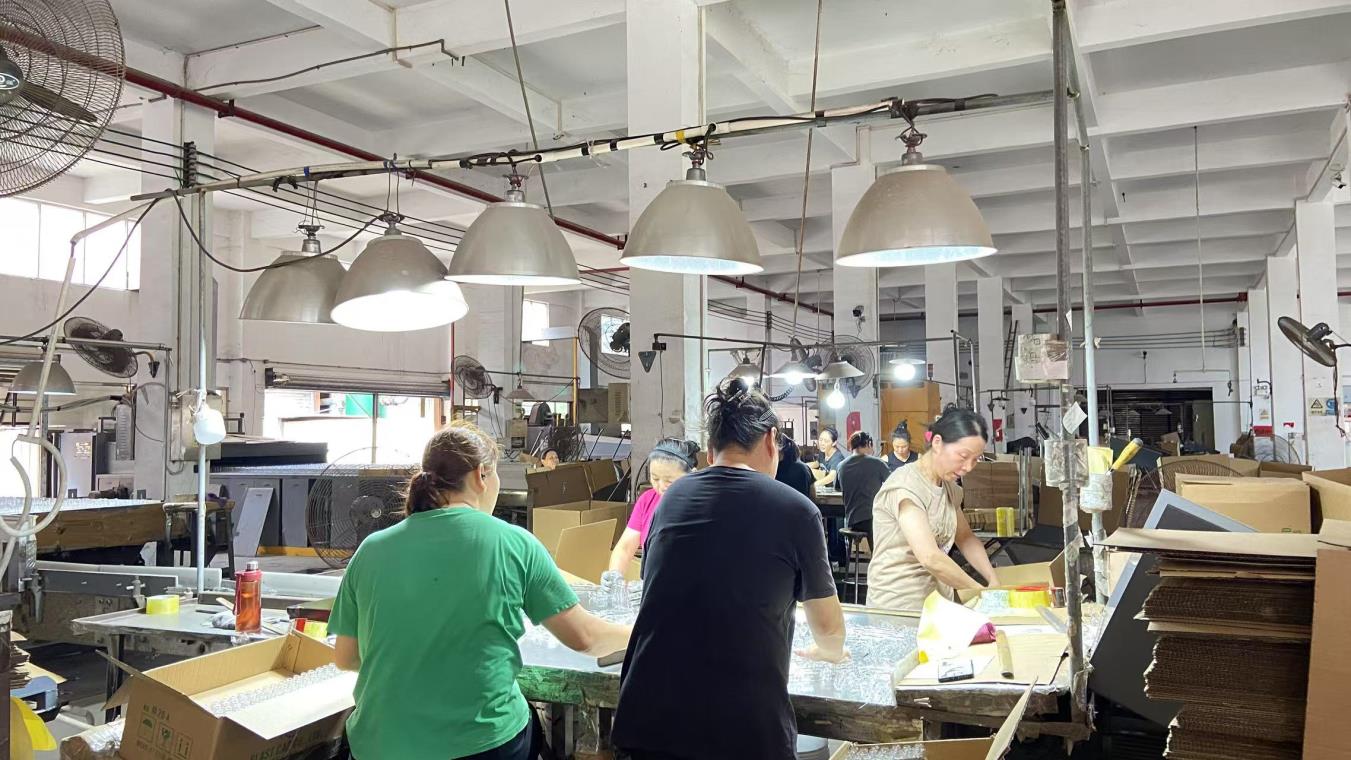
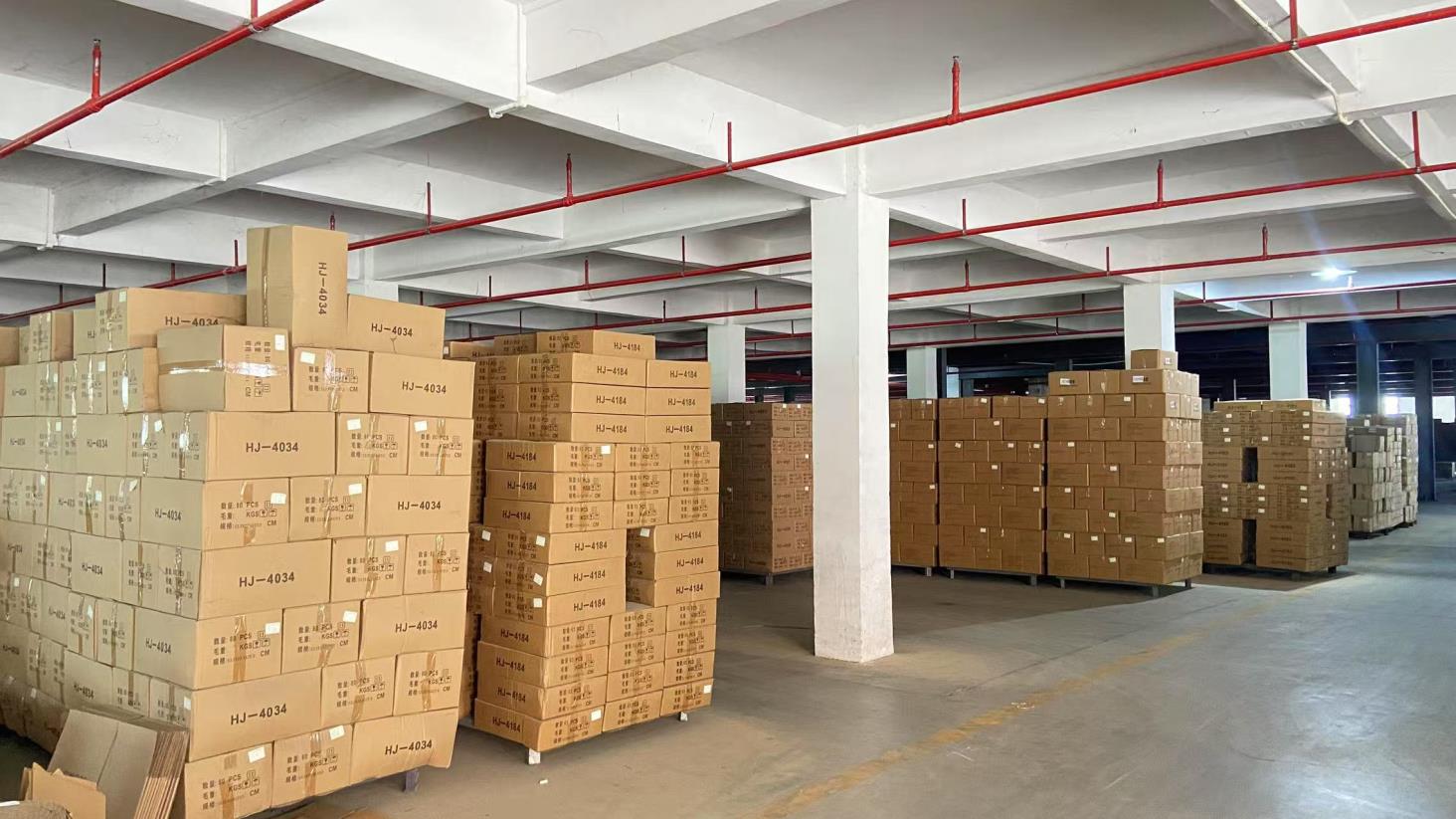
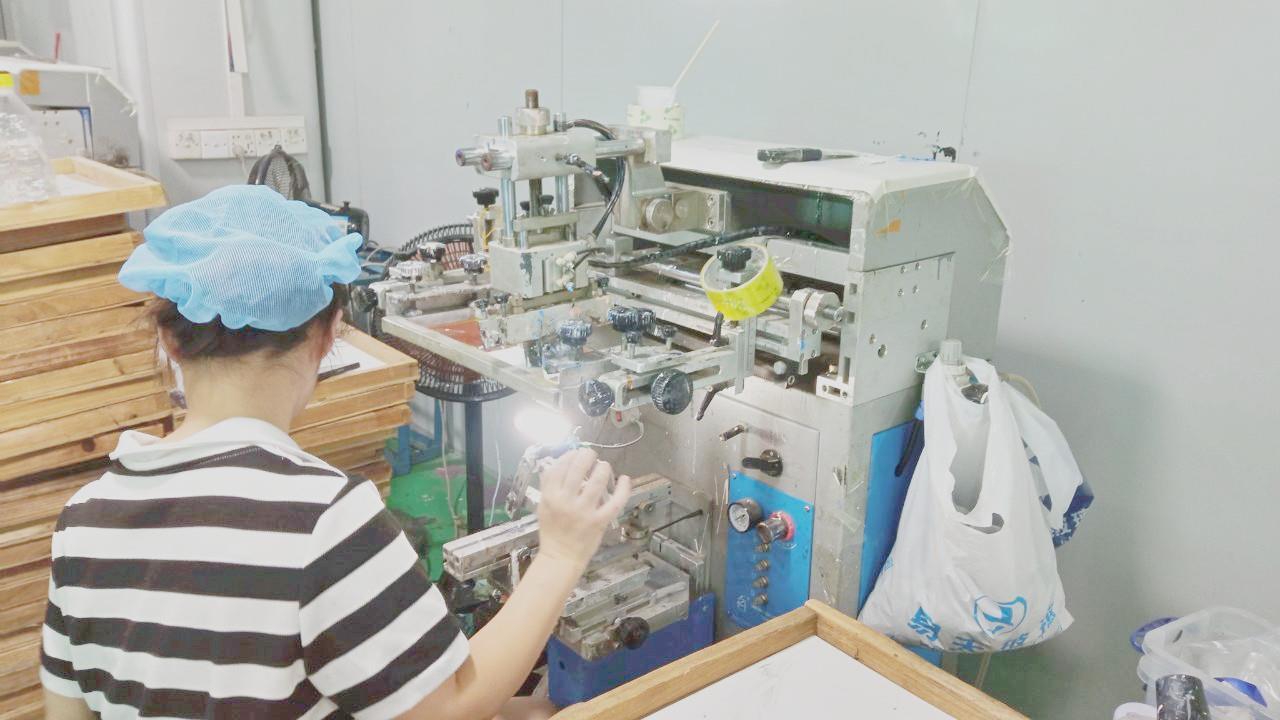
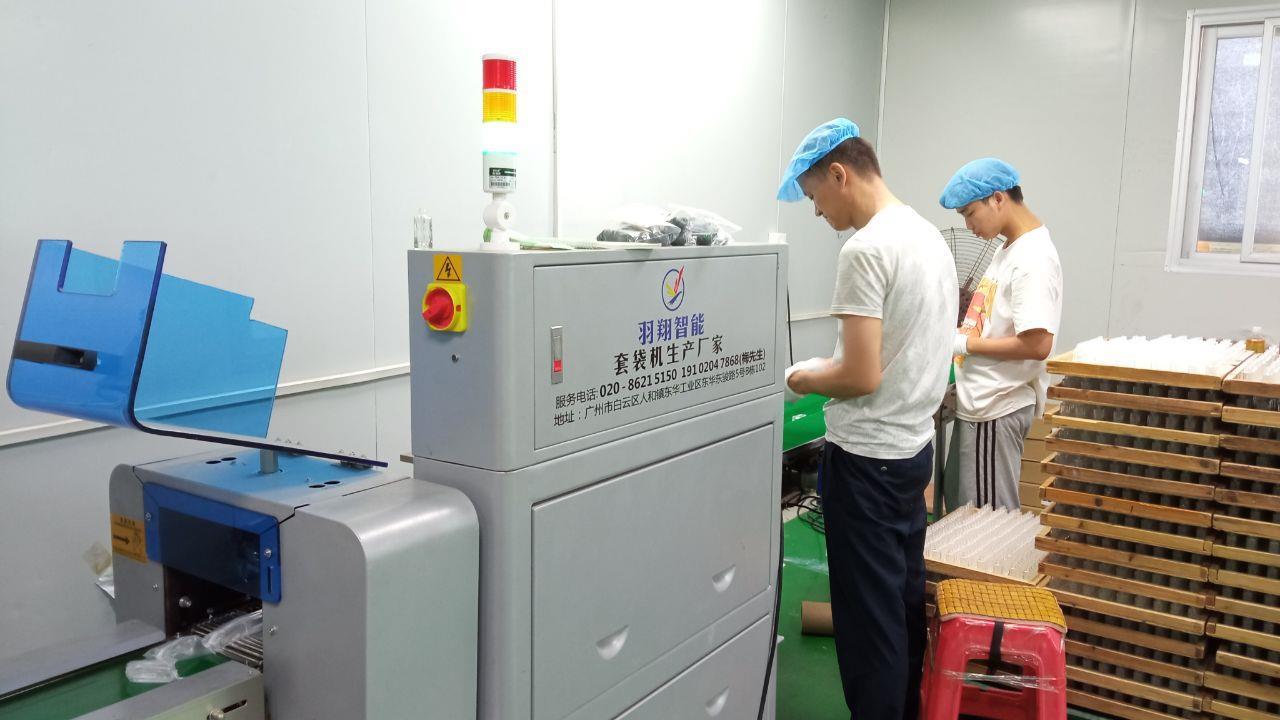
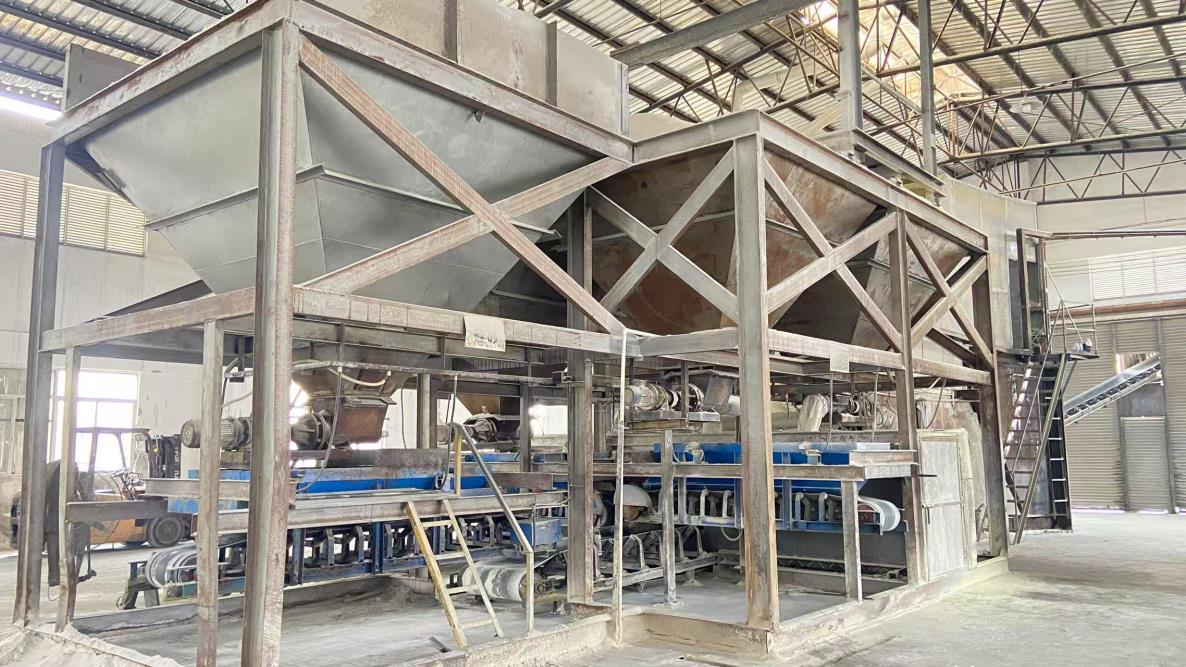
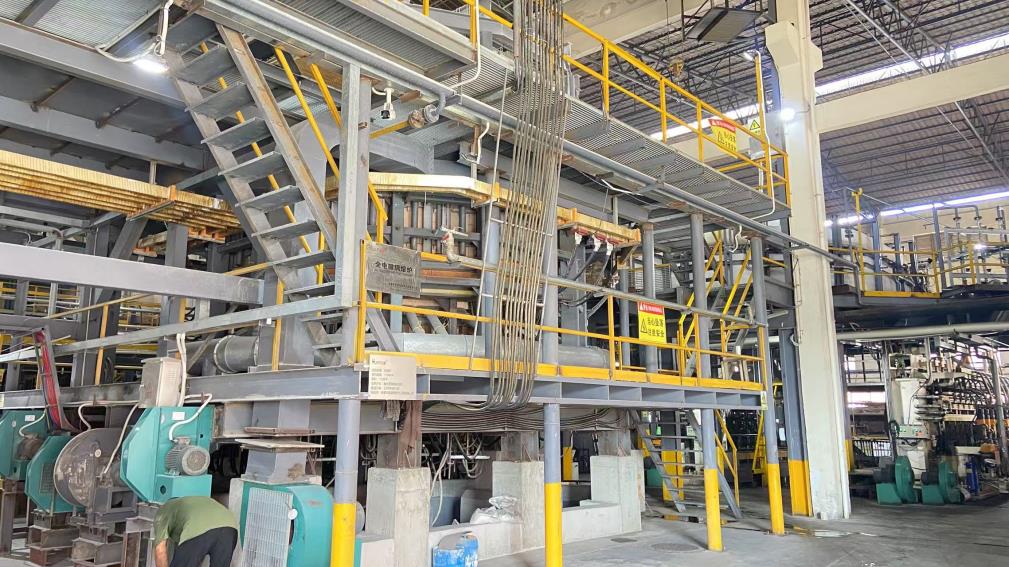
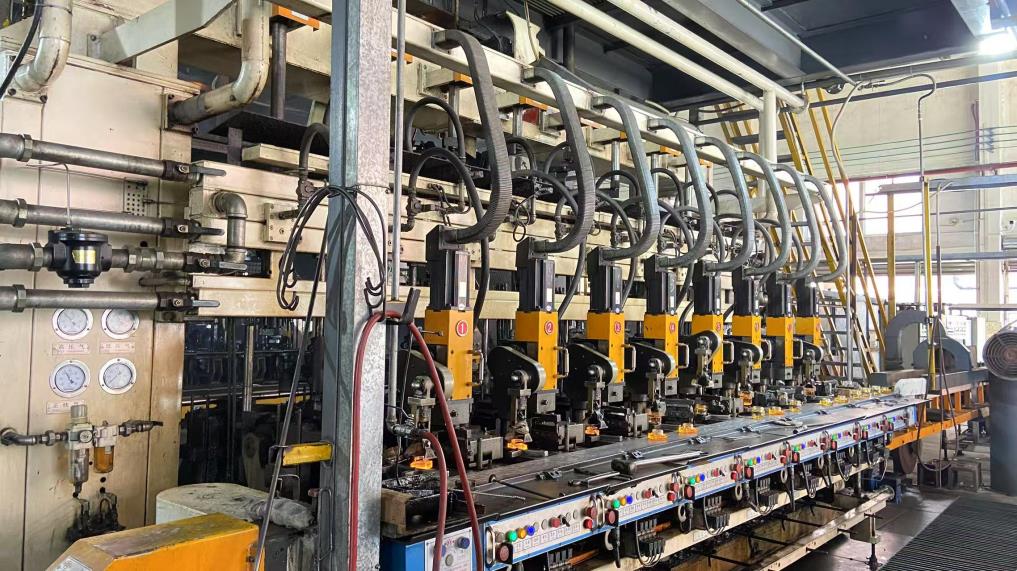
The company operates modern GMP-compliant production workshops equipped with automated and semi-automated production lines. Through efficient production management and strict process control, Bareen Beauty ensures stable product quality and timely delivery for global customers.
Strict Quality Assurance
Quality is the foundation of our business. From raw material sourcing to finished product inspection, every production stage follows rigorous quality control standards. Products are tested to meet international safety and regulatory requirements, helping customers successfully enter markets in Europe, North America, the Middle East, Southeast Asia, and other regions.
Global Market Presence
Bareen Beauty products are exported to more than 50 countries and regions worldwide. The company has established long-term partnerships with beauty brands, wholesalers, retailers, e-commerce sellers, and distributors, providing comprehensive OEM/ODM and private-label solutions tailored to different market needs.
One-Stop OEM/ODM Service
From concept development and formula customization to packaging design and mass production, Bareen Beauty offers complete private-label manufacturing services. Our experienced team assists clients in creating unique and competitive cosmetic brands with efficiency and flexibility.
Corporate Values & Vision
Guided by the principles of Integrity, Innovation, Quality, and Mutual Success, Bareen Beauty continuously improves its technologies, services, and manufacturing capabilities. We are dedicated to helping customers build successful beauty brands while creating long-term value for all partners.
With the mission of "Enhancing Beauty Through Innovation", Zhejiang Bareen Beauty Co., Ltd. strives to become a trusted global cosmetics manufacturing partner. Through sustainable development, advanced technology, and customer-focused solutions, we are committed to bringing high-quality beauty products to consumers around the world and shaping the future of the beauty industry.
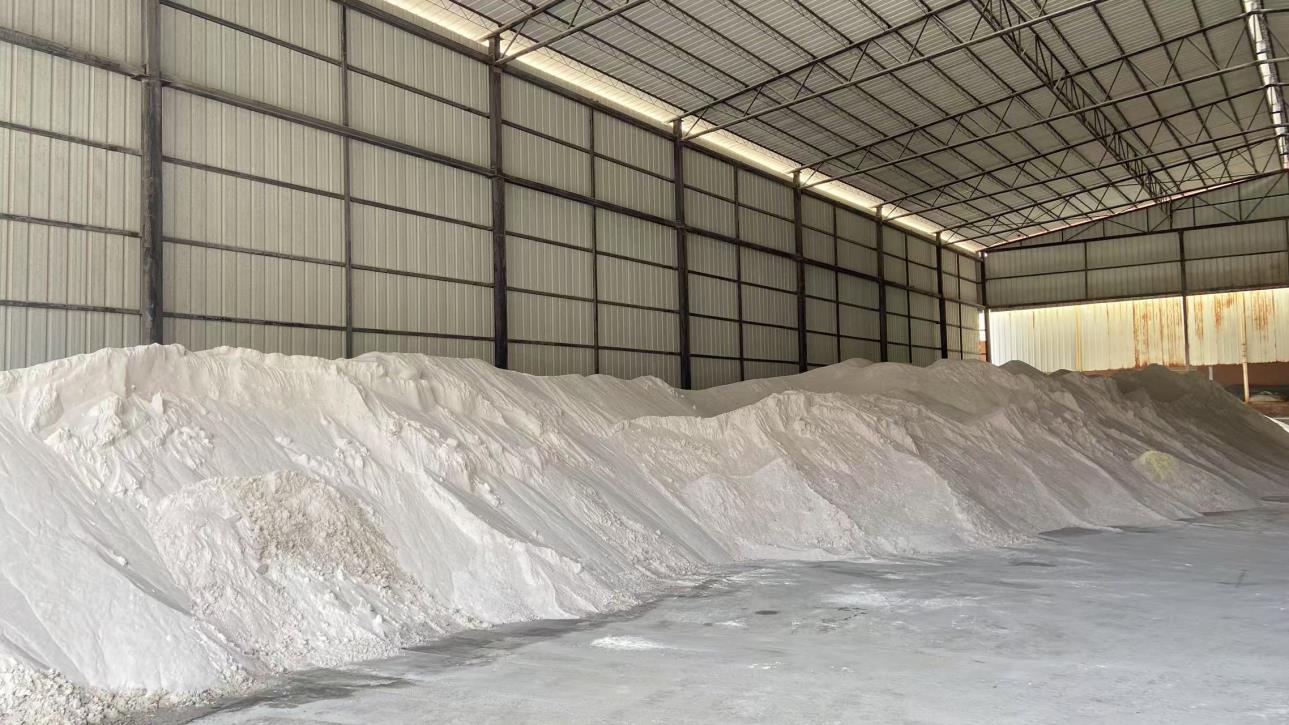
Smart Manufacturing Ecosystem & Process Control
A comprehensive walkthrough of our GMP-certified, automated production flow ensuring absolute cosmetic stability.


Chapter 4: Localized Application Scenarios & Regional Formulations
Adapting setting spray dynamics to global climates, skin biologies, and regional consumer expectations.
A fatal mistake in cosmetic distribution is assuming a "one-size-fits-all" formulation will perform identically worldwide. Skin physiology is strongly influenced by local temperatures, relative humidity, and regional lifestyles. Therefore, high-performing brands segment their setting spray product lines based on target regional climates:
Hot, Humid Climates (e.g., Southeast Asia, Latin America)
In regions like Vietnam, Thailand, or Brazil, high relative humidity levels prevent sweat from evaporating naturally, while elevated temperatures accelerate sebum production. In these environments, setting sprays must incorporate hydrophobic, sebum-absorbing, and sweat-resistant polymers (such as heavy VP/VA copolymers or silica-modified acrylics). The goal is to establish a non-emulsifying barrier that keeps makeup from sliding or melting. Matte finishes are highly preferred in these markets.
Dry, Sub-Zero Climates (e.g., Northern Europe, Canada)
Conversely, in colder climates like the Nordics or Canada, the lack of ambient humidity causes trans-epidermal water loss (TEWL) to accelerate. This causes powder cosmetics to look dry and cakey. Here, setting sprays must function as moisture locks. They are formulated with humectants (such as hyaluronic acid, sodium PCA, and plant-derived glycerin) alongside flexible, breathable film-formers (like Polyurethane-35) that keep the skin looking hydrated, radiant, and dewy.
Urban, High-Pollution Megacities (e.g., London, Seoul, Tokyo)
In highly populated urban zones, setting sprays are expected to serve as protective barriers against fine particulate matter (PM2.5) and environmental pollution. Formulators incorporate biosaccharide gums or protective botanical extracts that form an anti-adhesion matrix over the skin, preventing soot and chemical toxins from clogging pores and deteriorating the makeup layer throughout the day.
Chapter 5: Technical Roadmap & Future Outlook (2025–2030)
The convergence of biotechnology, sustainable packaging, and hyper-customization in the cosmetics industry.
The beauty industry is entering an era where cosmetic efficacy must match ecological responsibility. Over the next five years, setting spray formulations will evolve along three key dimensions:
Traditional petroleum-derived polymers are being replaced by bio-based, biodegradable alternatives. Innovators are utilizing modified starches, pullulan, and fermentation-derived cellulose that offer the same high-tensile strength and flexibility as synthetic polymers but break down naturally without harming marine ecosystems.
Future setting sprays will feature micro-encapsulation technologies that release active skin ingredients (like Vitamin C or Niacinamide) gradually over hours. As the polymer barrier stretches and flexes under natural facial movement, these micro-capsules rupture, keeping the skin fresh and preventing oxidation of the base makeup.
Next-generation packaging will merge with smart technology. Handheld cosmetic nebulizers will utilize ultrasonic vibration to atomize setting liquids into ultra-fine, cool-mist clouds, ensuring uniform coating down to the nanometer scale without wetting the face or disturbing delicate makeup pigments.
Industry FAQ: Questions & Technical Insights
Get answers to common regulatory, formulation, and manufacturing queries regarding makeup setting sprays.
Additional Cosmetics Portfolio
Explore more premium makeup solutions available for global private-label branding and distribution.