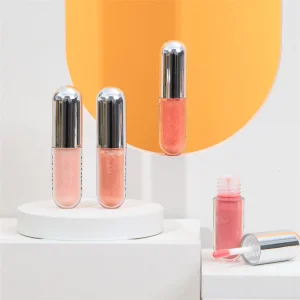
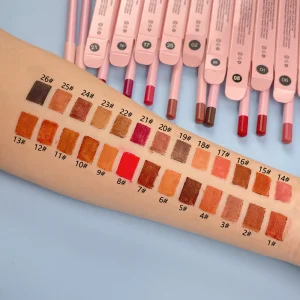
Featured Cosmetic Formulations
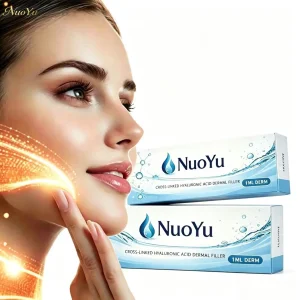
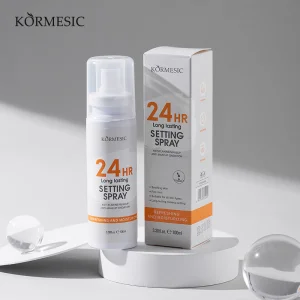
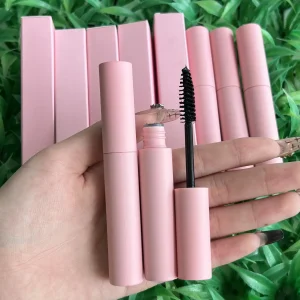
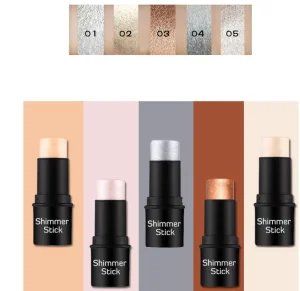
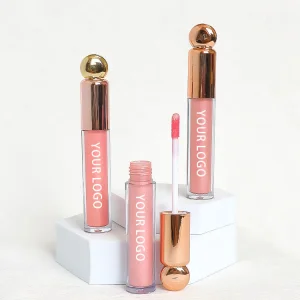
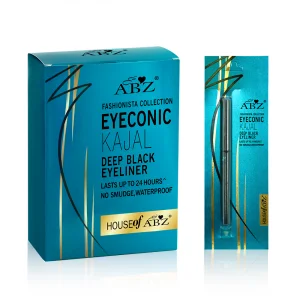
Explore our top-tier cosmetic catalog, showcasing exceptional private label products engineered by Zhejiang Bareen Beauty Co., Ltd.
The Dawn of Modern Photoprotection: Sourcing the Next Generation of Daily Sunscreens
Unveiling the key parameters of the global daily sunscreen market—where cutting-edge skin science merges with high-capacity chemical manufacturing.
In the modern skincare landscape, sunscreen has transitioned from a seasonal beach-bag necessity to a non-negotiable daily preventative healthcare step. Driving this fundamental change is a deep scientific understanding of how ultraviolet (UV) radiation accelerates skin carcinogenesis, causes chronic erythema, and contributes to over 80% of visible skin aging (photoaging). As a result, the global demand for daily sunscreens has expanded rapidly, forcing brands to seek manufacturing partners capable of combining sophisticated UV protection with elegant, consumer-friendly cosmetic textures.
Sourcing high-performance daily sunscreens requires navigating complex, multi-layered criteria. Brands must balance broad-spectrum efficacy (spanning both UVA and UVB protection) with stringent regulatory environments across different jurisdictions. A premium daily sunscreen must perform under varying cosmetic conditions, offering flawless wear under makeup, zero white cast, and compatibility with diverse skin tones. Achieving this requires partner manufacturers to utilize advanced chemical and physical UV filters, innovative dispersion methods, and reliable stabilization protocols.
UVA & UVB Dynamics
Modern consumers demand broad-spectrum protection. Sunscreen formulas must maintain high critical wavelengths (above 370nm) to effectively block both short-wave UVB rays (causing sunburn) and long-wave UVA rays (responsible for deep cellular damage and premature aging).
Technological Advancements
Innovations in UV filter encapsulation improve formulation safety, reduce irritation, and minimize chemical absorption through the skin barrier. This technology allows for lightweight daily wear products that maintain high UV defense throughout the day.
Regulatory Compliance
Sourcing from factories with robust regulatory documentation (FDA OTC registration, ISO 22716, and NMPA special cosmetic certifications) ensures smooth imports across international borders without legal or customs friction.
Why Global Brands Leverage Chinese Sunscreen Factories
Analyzing the unique industrial scale, chemical processing capabilities, and technological supply chains that make China the hub for high-performance sunscreen production.
China's sunscreen manufacturing landscape has evolved into a global leader in high-performance cosmetic production. The country's primary advantage lies in its fully integrated industrial supply chains. Industrial hubs in Zhejiang and Guangdong house both raw material chemical plants and packaging factories in close proximity. This concentration streamlines the supply chain, minimizes transport logistics, and reduces raw material lead times to a fraction of the time required by Western competitors.
Beyond scale, Chinese manufacturers have heavily invested in advanced laboratory equipment and compliance measures to meet strict global standards. Chinese sunscreen factories routinely manufacture formulas that align with FDA, EU, and Asian regulatory guidelines. This includes conducting in vivo SPF and in vitro UVA protection factor testing to ensure international compliance. By utilizing automated compounding equipment and cleanroom facilities, these factories deliver high-quality, stable sunscreen formulations at highly competitive price points.
Advanced Sunscreen Formulations: Science & Innovation
An expert guide to the chemical engineering behind high-SPF daily sunscreens, including active filters, stabilization, and skin integration.
Mineral UV Blockers (Inorganic Filters)
Mineral sunscreens utilize Zinc Oxide (ZnO) and Titanium Dioxide (TiO2) to form a physical protective barrier on the skin that scatters and absorbs UV rays. Modern manufacturing relies on advanced particle milling and surface-treated dispersion technologies. These techniques coat the particles with silica or triethoxycaprylylsilane, preventing agglomeration, minimizing the white cast on diverse skin tones, and improving sensory feel.
Organic UV Absorbers (Chemical Filters)
Chemical sunscreens utilize organic compounds such as Avobenzone, Octocrylene, Homosalate, and new-generation filters like Bis-Ethylhexyloxyphenol Methoxyphenyl Triazine (Tinosorb S). These ingredients absorb UV radiation and convert it into harmless heat. Because raw Avobenzone degrades quickly under sunlight, manufacturers must pair it with stabilizing photoprotectors (like Octocrylene) to maintain long-lasting sun defense.
Hybrid & Encapsulated Technologies
Hybrid formulations combine the benefits of mineral reflection and chemical absorption to deliver high SPF ratings with a lightweight, non-greasy texture. Leading factories employ micro-encapsulation technology to wrap chemical filters in protective silica shells. This prevents direct contact between UV active ingredients and the skin, significantly reducing skin irritation and allergenicity while improving photostability.
Macro Solutions & Localized Application Scenarios
How leading manufacturers customize formulation profiles to target specific consumer demographics and environmental use cases.
Daily Urban Commute
For daily city wear, sunscreens require a lightweight, breathable, and non-comedogenic formula. These products are often enriched with anti-pollution actives (such as Carnosine and PM2.5 barriers) and blue light protection. This helps shield skin from both UV radiation and the HEV light emitted by digital screens.
Athletic & High-Activity Wear
Sunscreens designed for outdoor sports and heavy activity must offer high water and sweat resistance. Factories utilize advanced emulsion technologies (such as water-in-oil or water-in-silicone) to ensure the protective UV film remains stable and effective during prolonged exposure to water and sweat.
Sensitive & Post-Procedure Skin
Formulations designed for sensitive skin, infants, or post-chemical peel care focus on soothing, low-irritant ingredients. These physical-only (zinc-based) formulas exclude common allergens, parabens, and synthetic fragrances. They are often enriched with calming agents like Bisabolol, Centella Asiatica, and Allantoin to support the skin barrier.
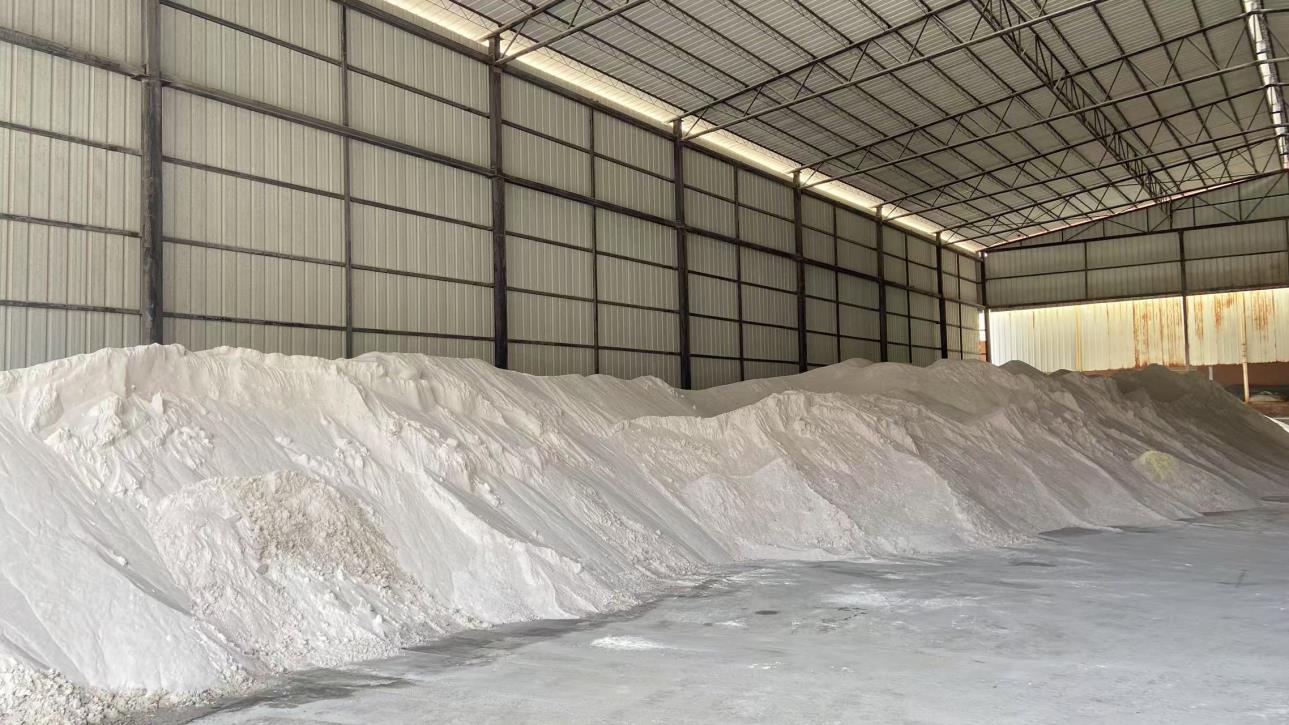
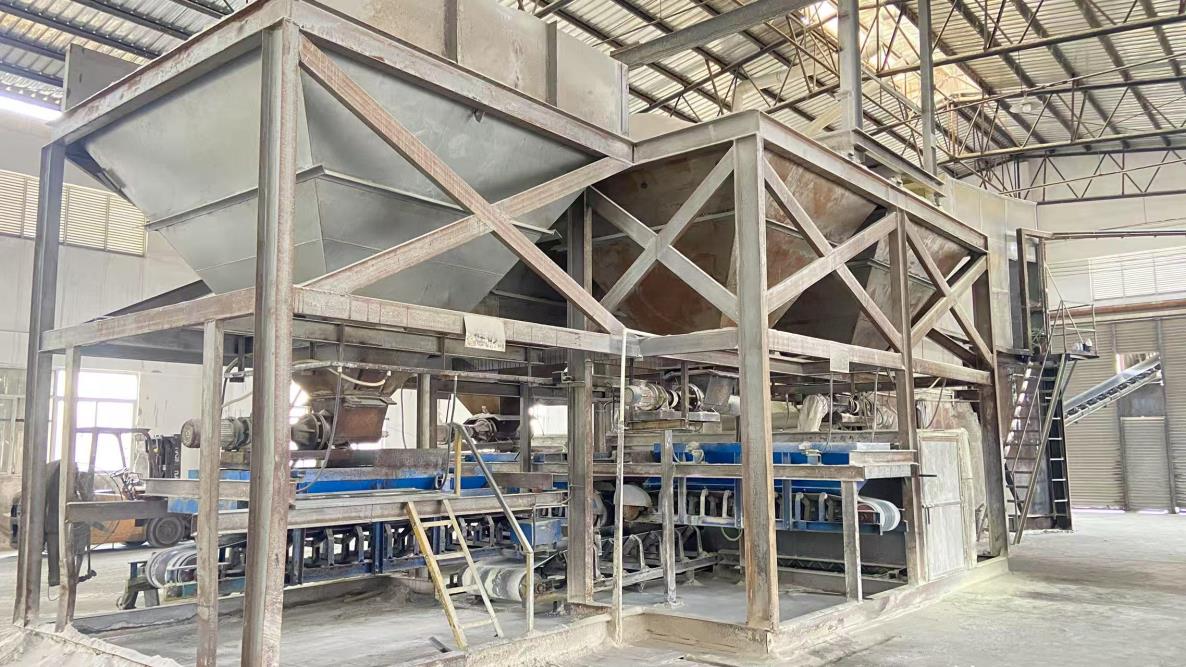
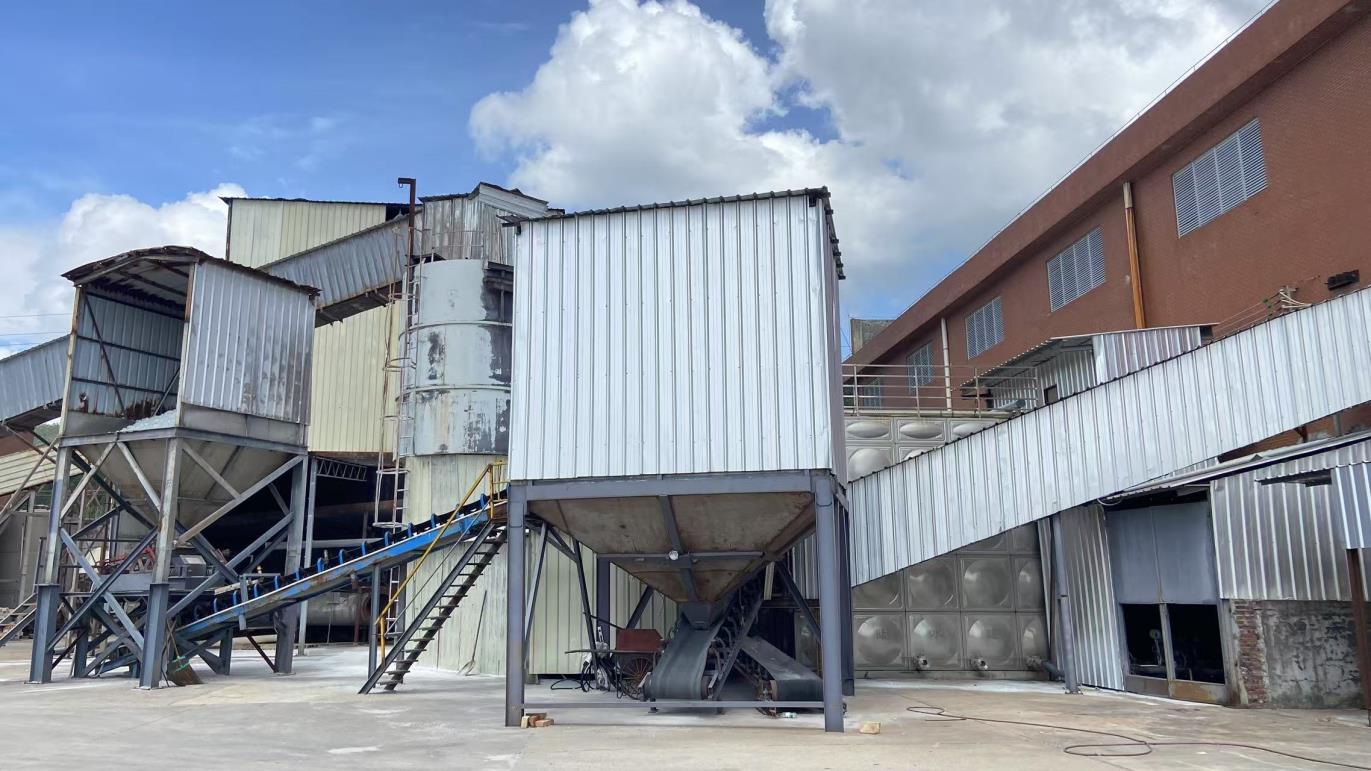
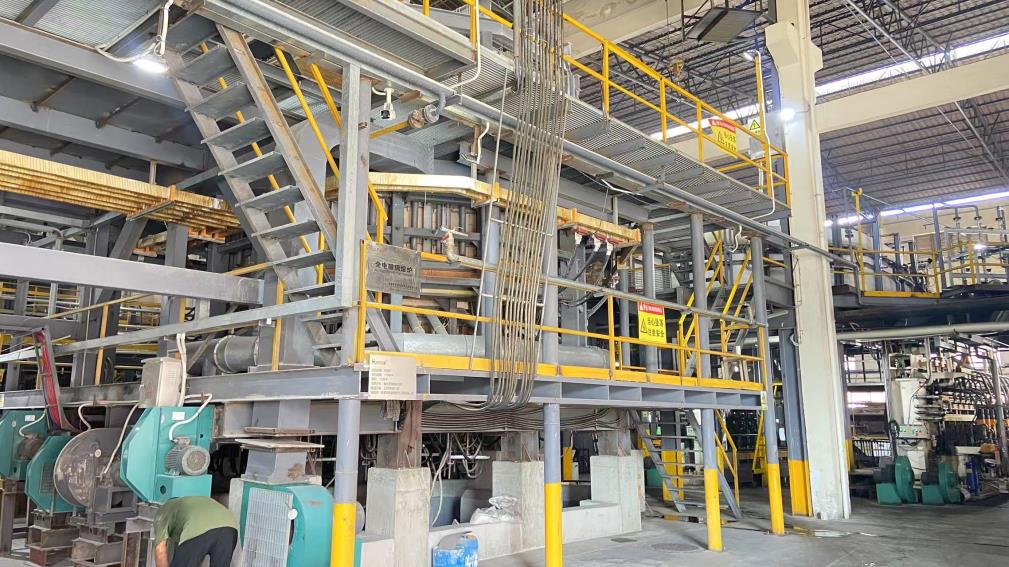
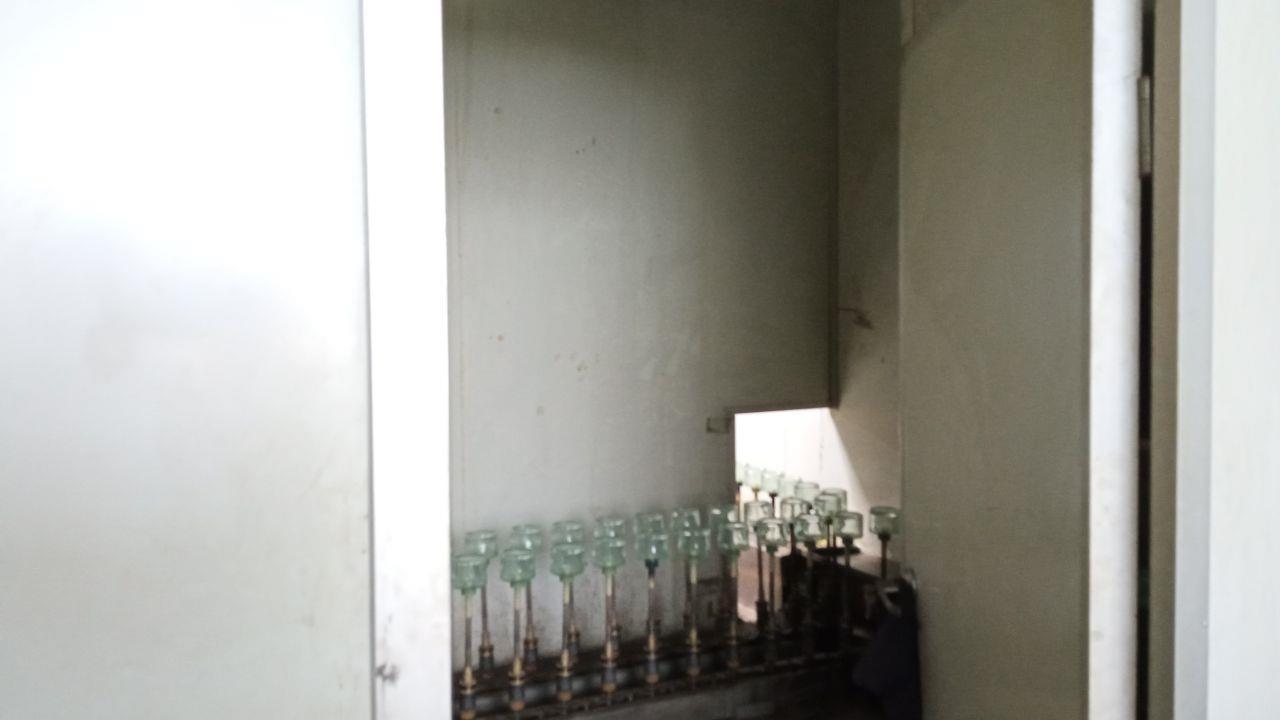
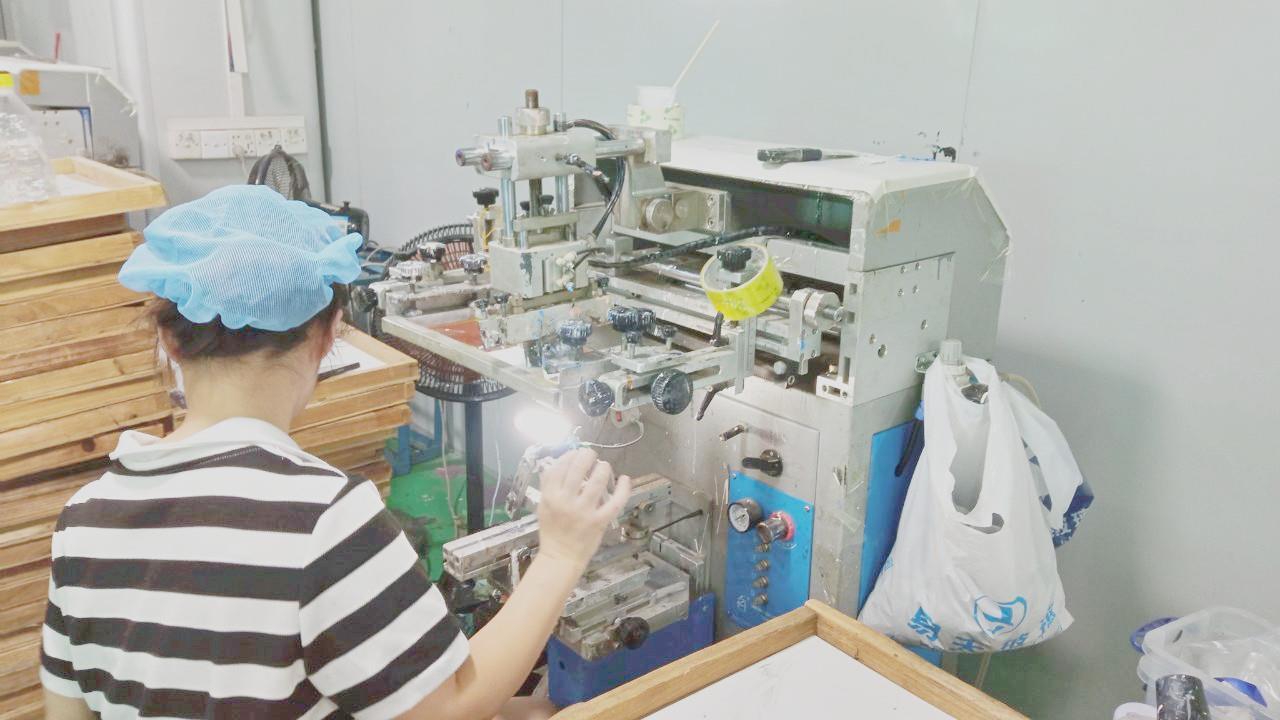
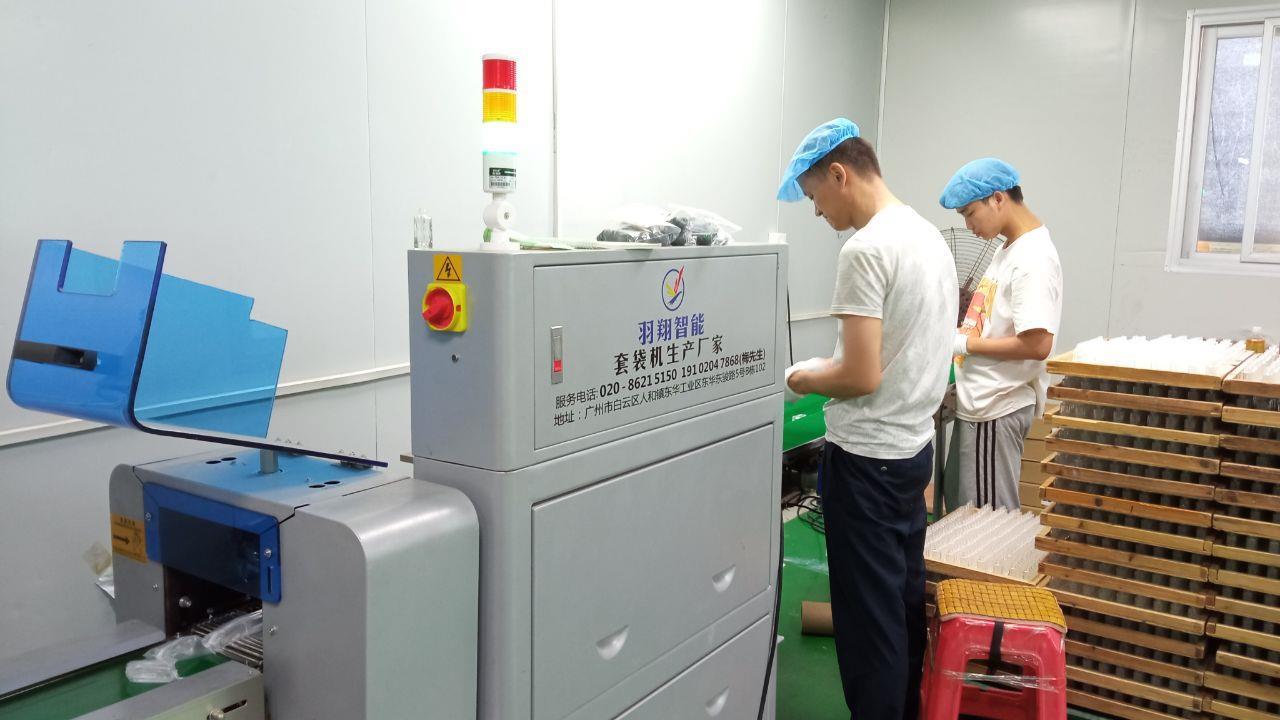
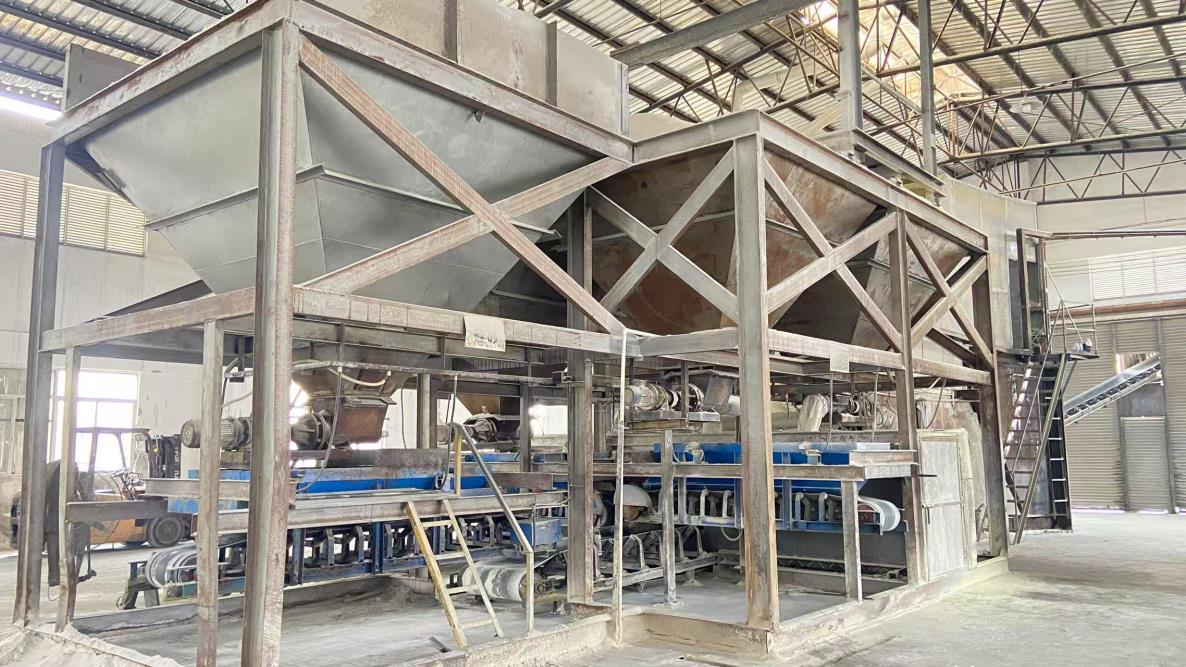
Advanced Cosmetic Manufacturing Process
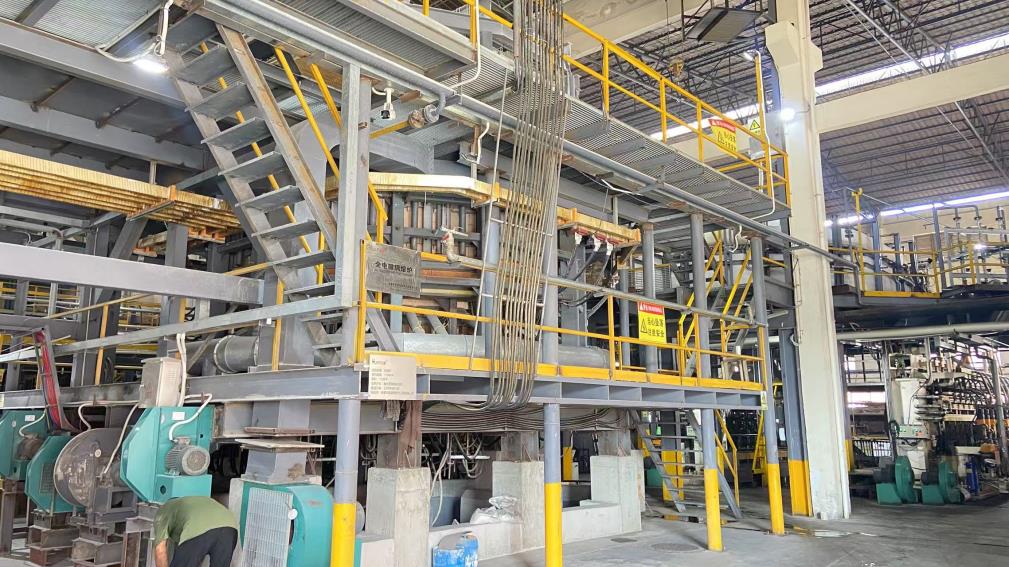
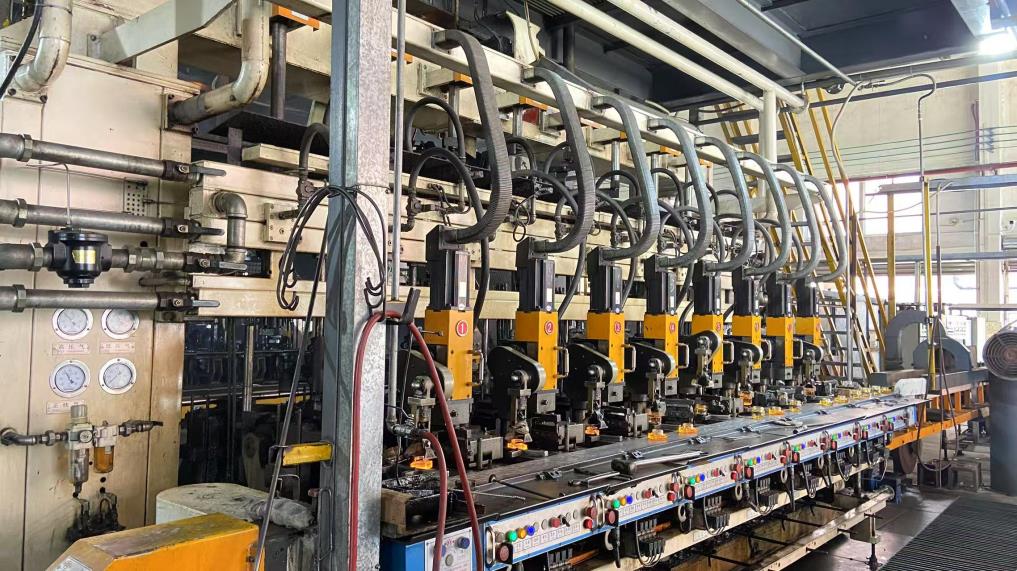
Step-by-step documentation of our advanced production line, showing the path from raw cosmetic materials to finished, shelf-ready products.
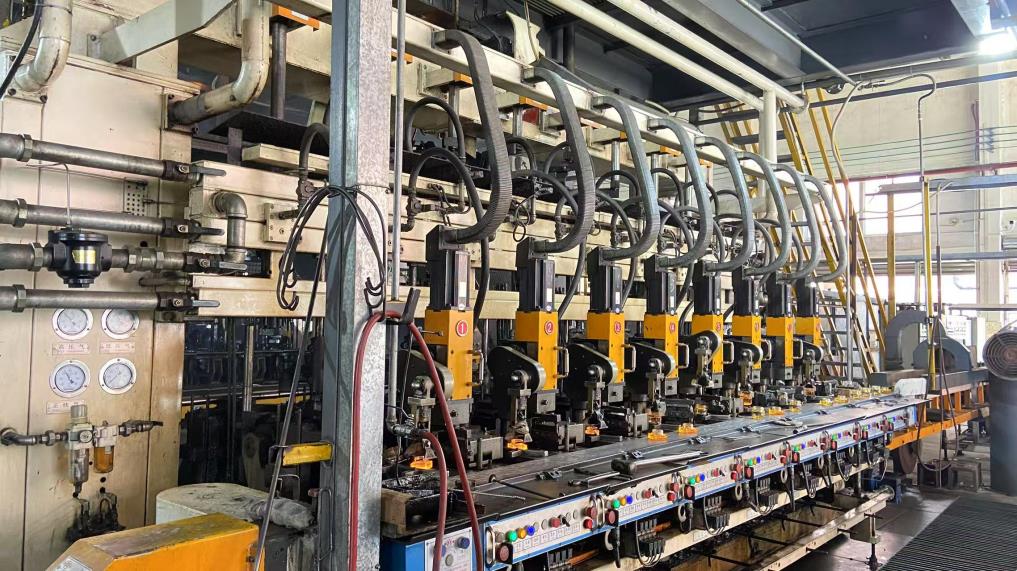
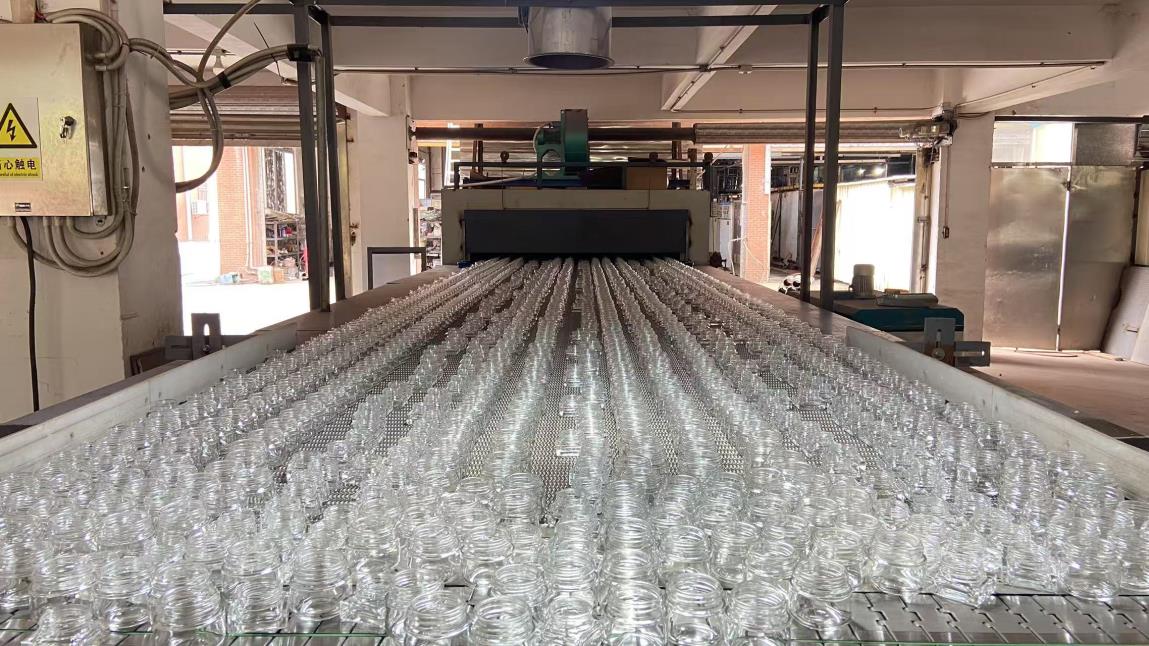
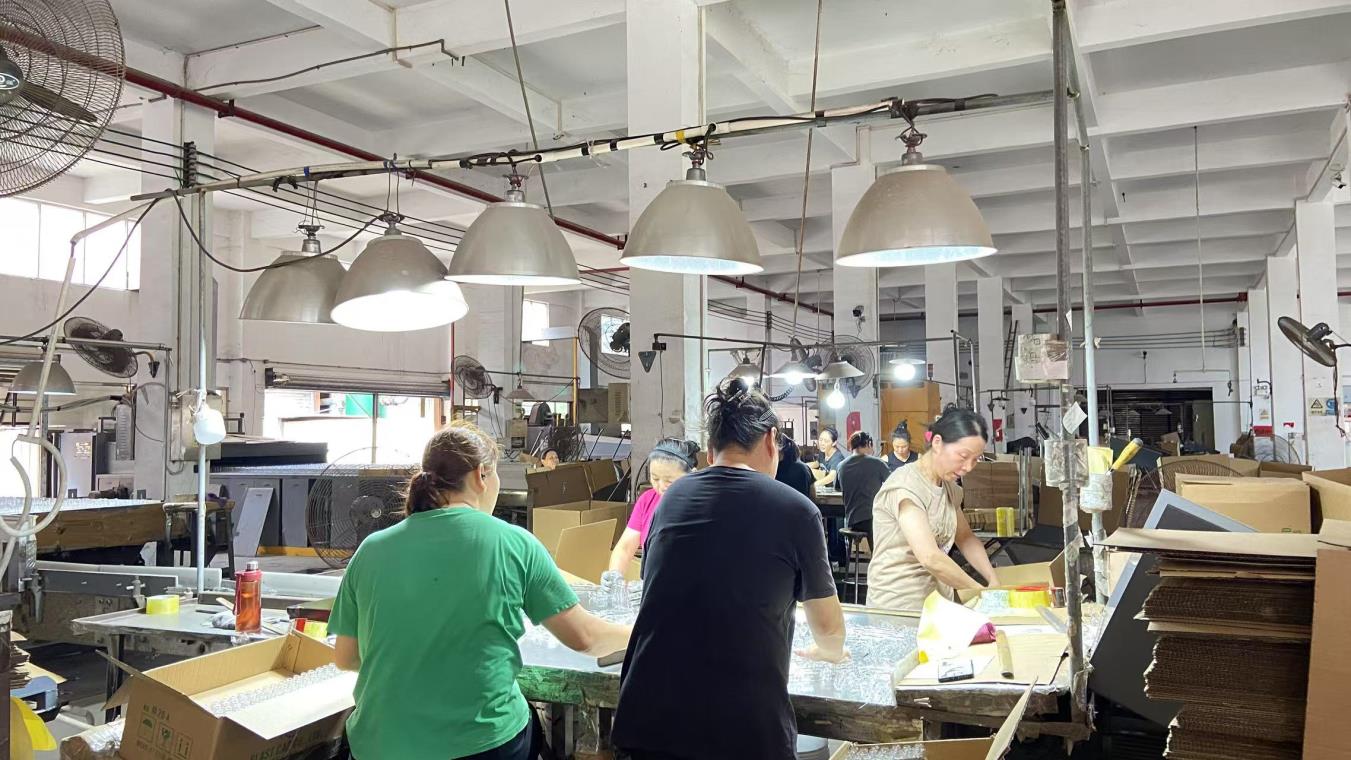
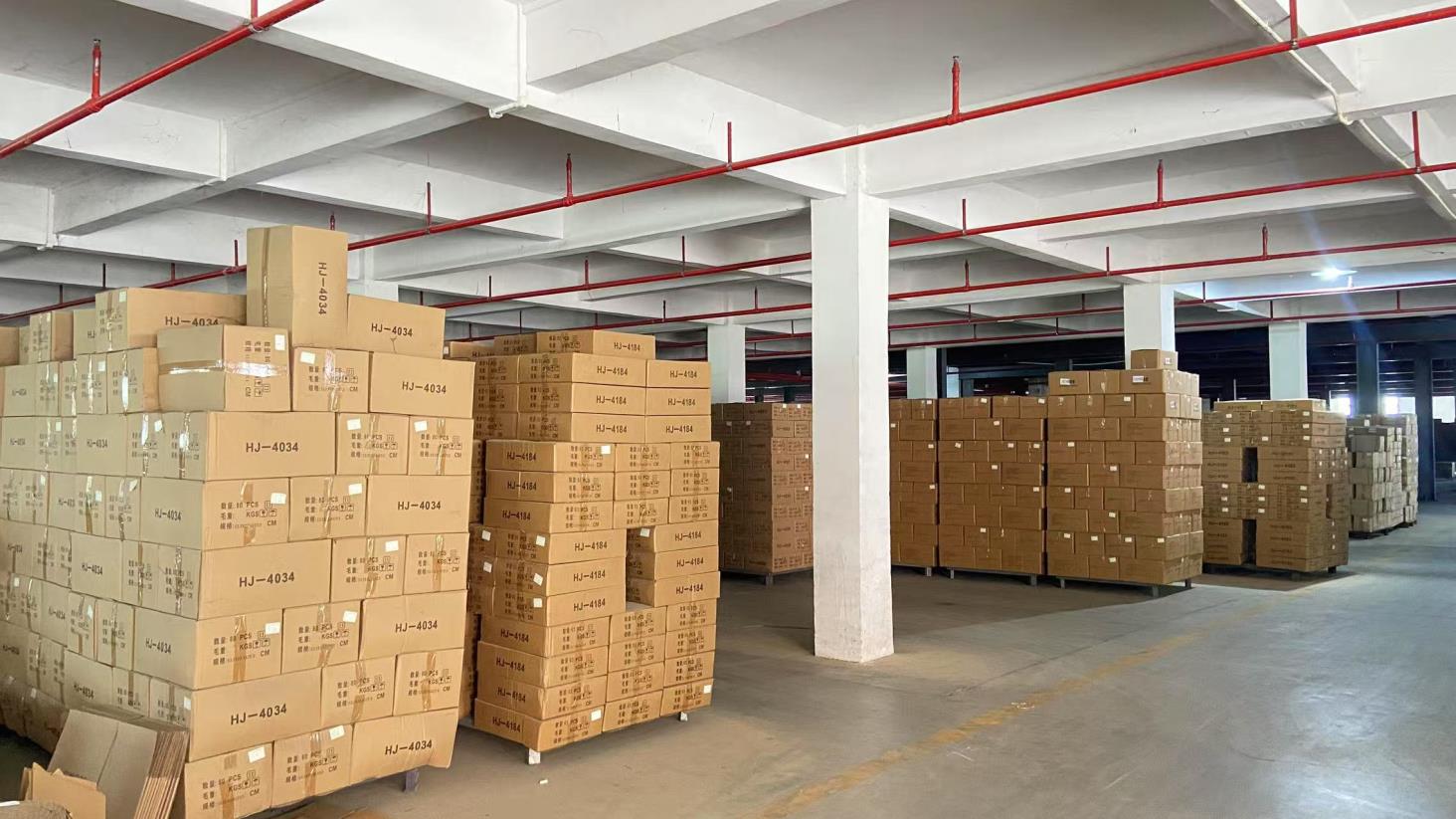
Zhejiang Bareen Beauty Co., Ltd.: Manufacturing Profile
Detailed overview of Zhejiang Bareen Beauty Co., Ltd., a premier cosmetics manufacturer based in Zhejiang, China.
Zhejiang Bareen Beauty Co., Ltd. is a professional cosmetics manufacturer and beauty solutions provider based in Zhejiang, China. With years of expertise in the beauty industry, the company specializes in the research, development, production, and global distribution of high-quality cosmetic products. Bareen Beauty is committed to delivering innovative beauty solutions and customized OEM/ODM services to clients worldwide.
Headquartered in one of China's leading manufacturing regions, the company operates modern production facilities equipped with advanced manufacturing technologies and strict quality management systems. By integrating product development, manufacturing, branding support, and international trade services, Bareen Beauty has built a comprehensive beauty industry supply chain that serves customers across the globe.
Core Strengths:
- Innovative R&D: Collaborations with internationally recognized raw material suppliers to create safe, market-oriented cosmetics.
- Advanced Manufacturing: Modern GMP-compliant workshops equipped with automated and semi-automated production lines.
- Strict Quality Assurance: Every production stage follows rigorous quality control standards, ensuring products meet safety regulations in Europe, North America, the Middle East, and Southeast Asia.
- One-Stop OEM/ODM Service: Complete private-label manufacturing services from concept development to mass production.
The Ultimate B2B Sourcing Checklist for Daily Sunscreens
A comprehensive guide for brands evaluating potential sunscreen manufacturers to ensure compliance and market success.
1. Regulatory Approvals
Verify that the factory is registered with the appropriate regional bodies (such as FDA OTC in the US, cosmetic notification portals in the EU, or NMPA special cosmetics registration in China). Sourcing sunscreen requires strict documentation, including stability testing, preservative efficacy testing (PET), and safety assessment reports.
2. In Vivo & In Vitro Testing
Ensure the manufacturer tests and verifies the SPF rating and UVA protection level. These tests should be conducted by ISO 17025-certified independent third-party laboratories. Common standards include ISO 24444 for in vivo SPF testing and ISO 24442 for in vivo UVA protection testing.
3. Packaging Compatibility
Sunscreen formulations can interact with plastic containers, potentially causing packaging deformation or degradation of the active UV filters. Work with manufacturers that offer comprehensive stability and compatibility testing for tubes, pumps, and bottles.
Frequently Asked Questions (FAQ)
Answers to common B2B sourcing questions regarding regulations, formulation stability, and manufacturing processes for daily sunscreens.
Premium Global Product Catalog
Browse our full range of manufactured cosmetics, skin prep solutions, and specialized packaging equipment.