Premium Cosmetic & Skin Care Formulations
Explore our flagship private-label product portfolio engineered with advanced chemical matrices for worldwide distribution.
Global Industry Status: The Rise of High-Performance Setting Gels
Understanding the micro-scientific breakthrough and shifting consumer dynamics in long-wear cosmetic fixation.
The global cosmetics industry is witnessing a structural transition. Long-wear formulations are no longer a niche preference; they are a standard market expectation. Central to this transition is the evolution of setting gels and film-forming sprays. Originally reserved for theatrical performance and professional studio artistry, modern setting solutions have become an indispensable routine for consumers worldwide. Driven by the normalization of daily active wear, shifting climate conditions, and the demand for smudge-proof cosmetics, the market for setting gels is projected to experience a compound annual growth rate (CAGR) of over 7.4% through 2030.
From a technical standpoint, the formulation of setting gels requires balancing structural longevity with dermatological safety. Traditional fixatives relied heavily on high concentrations of simple denatured alcohols, which dry rapidly but often compromise the skin barrier, leading to transepidermal water loss (TEWL). Today's B2B buyers demand advanced polymer systems that create a micro-porous, breathable barrier on the skin. This technology traps pigment molecules without occluding the pores, providing sebum-control benefits alongside active hydration. As a result, the role of premium setting gel manufacturers has expanded from basic compounding to sophisticated bio-chemical engineering.
Global B2B Procurement Demands & Purchasing Pain Points
How international brands select, evaluate, and establish supply partnerships with setting gel manufacturers.
Dermatological Compliance
B2B buyers face stringent global regulations (such as REACH, FDA, and EU CPNP). The demand for alcohol-free, non-comedogenic, and hypoallergenic formulations requires manufacturers to provide complete toxicological reports and clinical certifications.
Advanced Polymer Stability
A setting gel must retain its viscosity and performance characteristics under fluctuating thermal conditions during transit. Stabilizing the gel network against syneresis (liquid separation) is a key challenge for formulators.
Flexible Customization
Individuality is critical in modern retail. Sourcing partners require OEM/ODM providers that can customize sensory properties, adjust matte or dewy finishes, and integrate functional botanical actives without compromising the film-forming base.
Corporate Spotlight: Zhejiang Bareen Beauty Co., Ltd.
Zhejiang Bareen Beauty Co., Ltd. is a premier cosmetics manufacturer and global beauty solutions provider headquartered in Zhejiang, China. With a dedication to technological advancement and R&D excellence, the company operates at the intersection of raw material science and contract manufacturing (OEM/ODM). Operating modern, GMP-compliant facilities, Bareen Beauty serves as a reliable link in the international cosmetics supply chain, exporting high-performance cosmetic formulations to over 50 countries.
By integrating product research, formulation engineering, bottle blowing, screen printing, and automated filling services, the company offers a complete, vertically integrated production ecosystem. This structure ensures that from the raw material phase to the final packaged product, every step is governed by strict quality management protocols.
Core Operational Strengths
- Innovative R&D Platform: Collaborates with global raw material suppliers to formulate non-irritating polymer bases and active skin-care ingredients.
- Advanced Manufacturing Infrastructure: Leverages automated mixing, precise temperature-regulated melting, and automatic filling equipment for scale efficiency.
- Quality Management Systems: Adheres strictly to international safety standards, facilitating market entry in the EU, North America, the Middle East, and Southeast Asia.
Vertical Integration & Manufacturing Ecosystem
A detailed view of our standard production chain, showing the processes that transform raw ingredients into export-ready cosmetics.
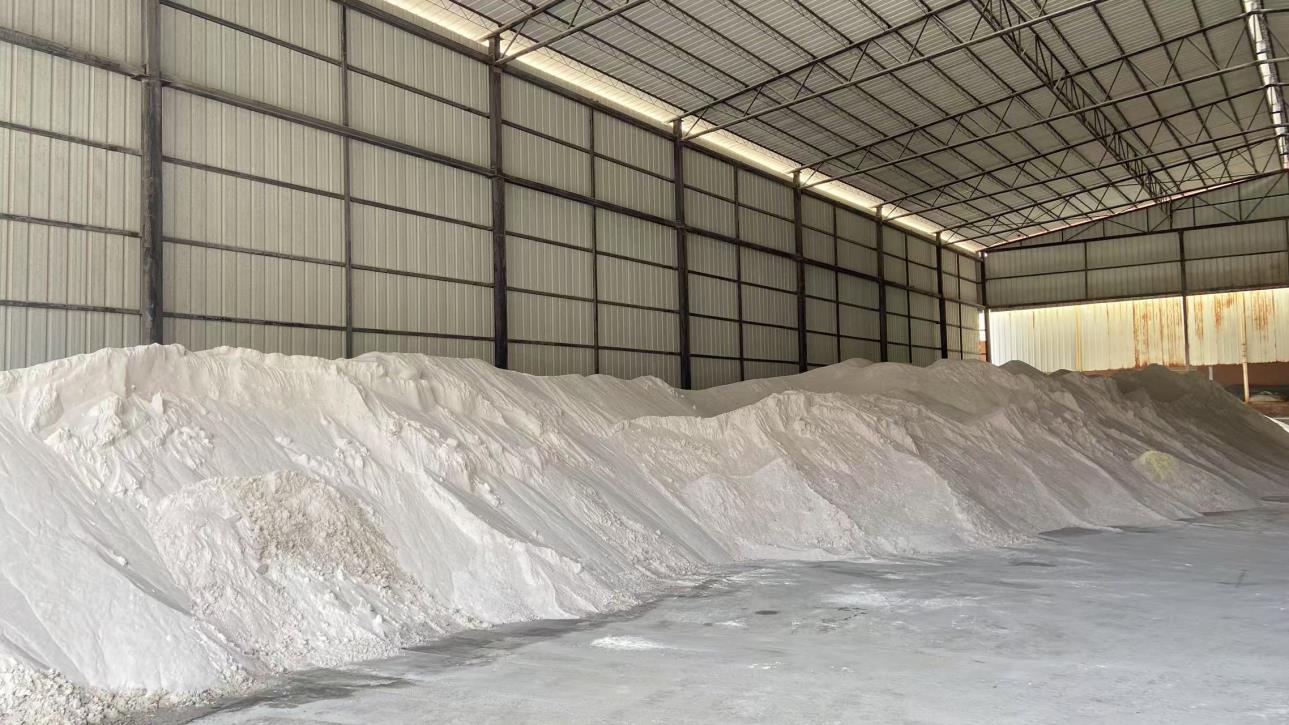
Raw Materials

Mixing

Storing
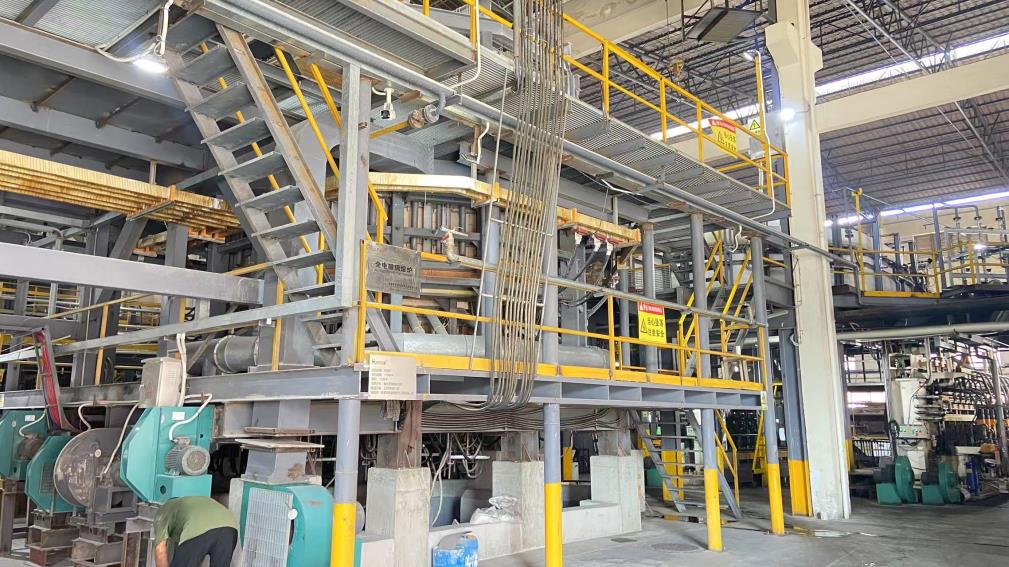
Melting
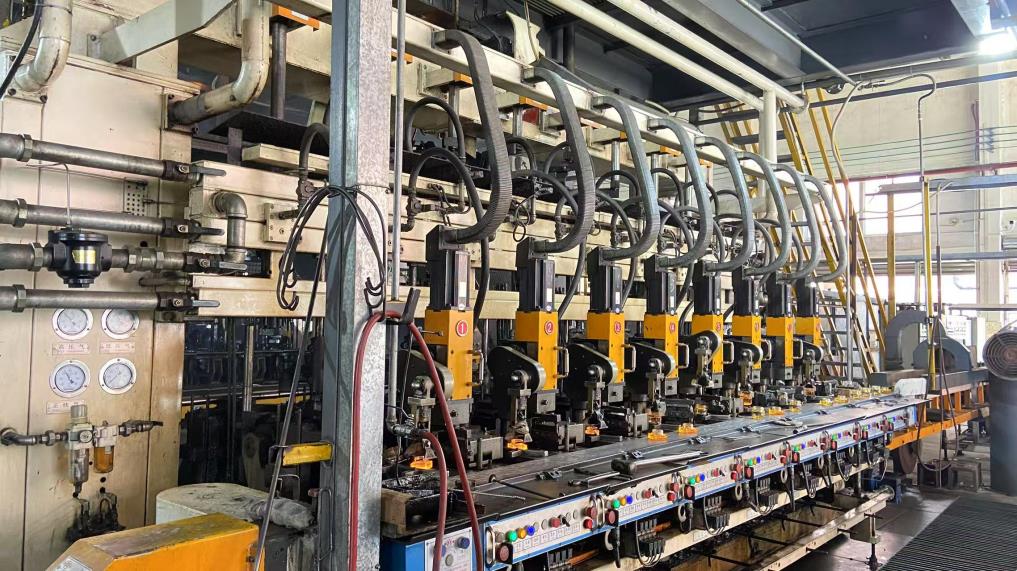
Bottle Blowing
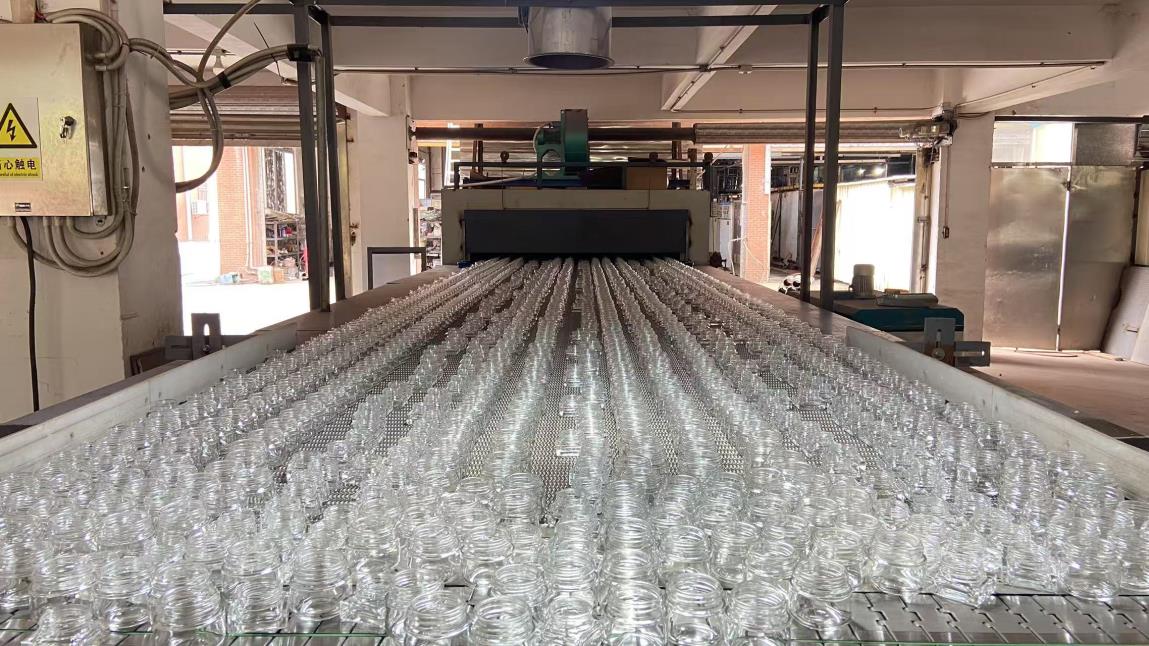
Annealing
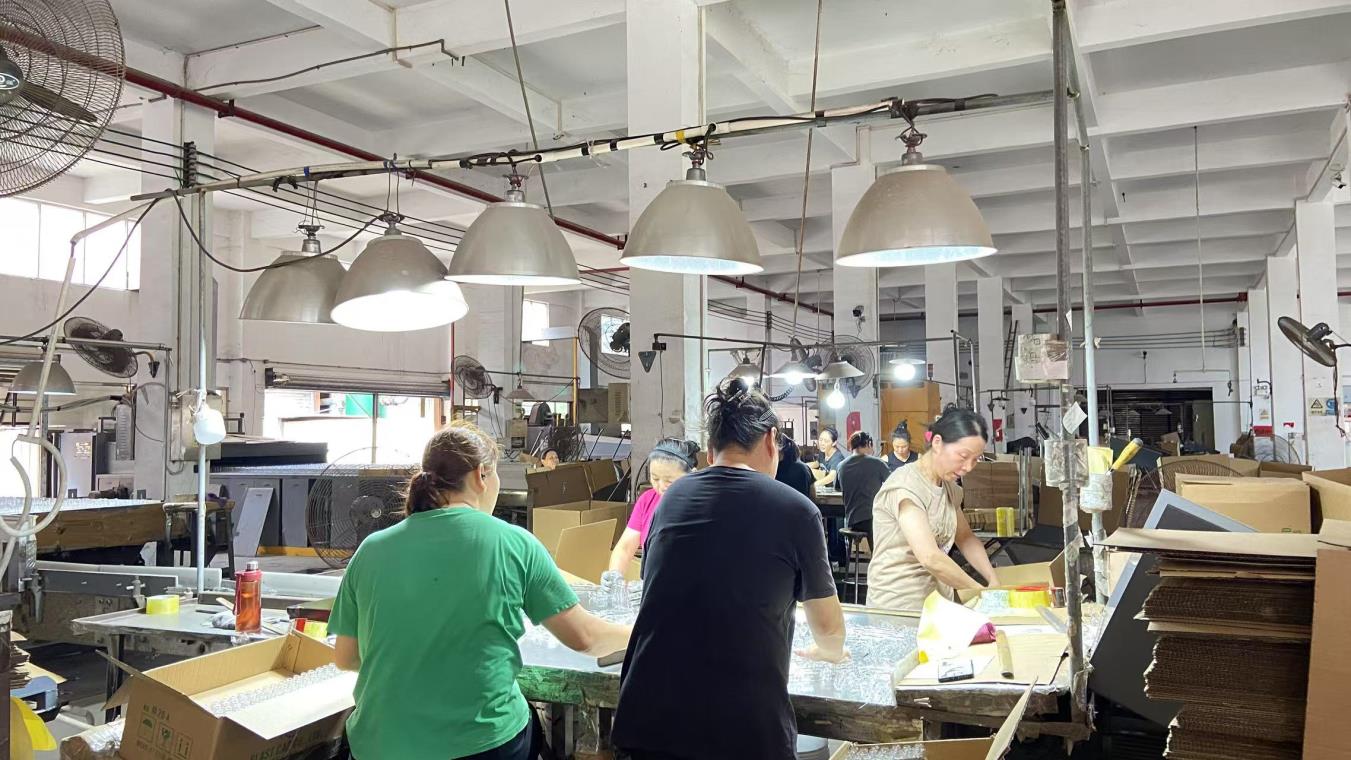
Packing
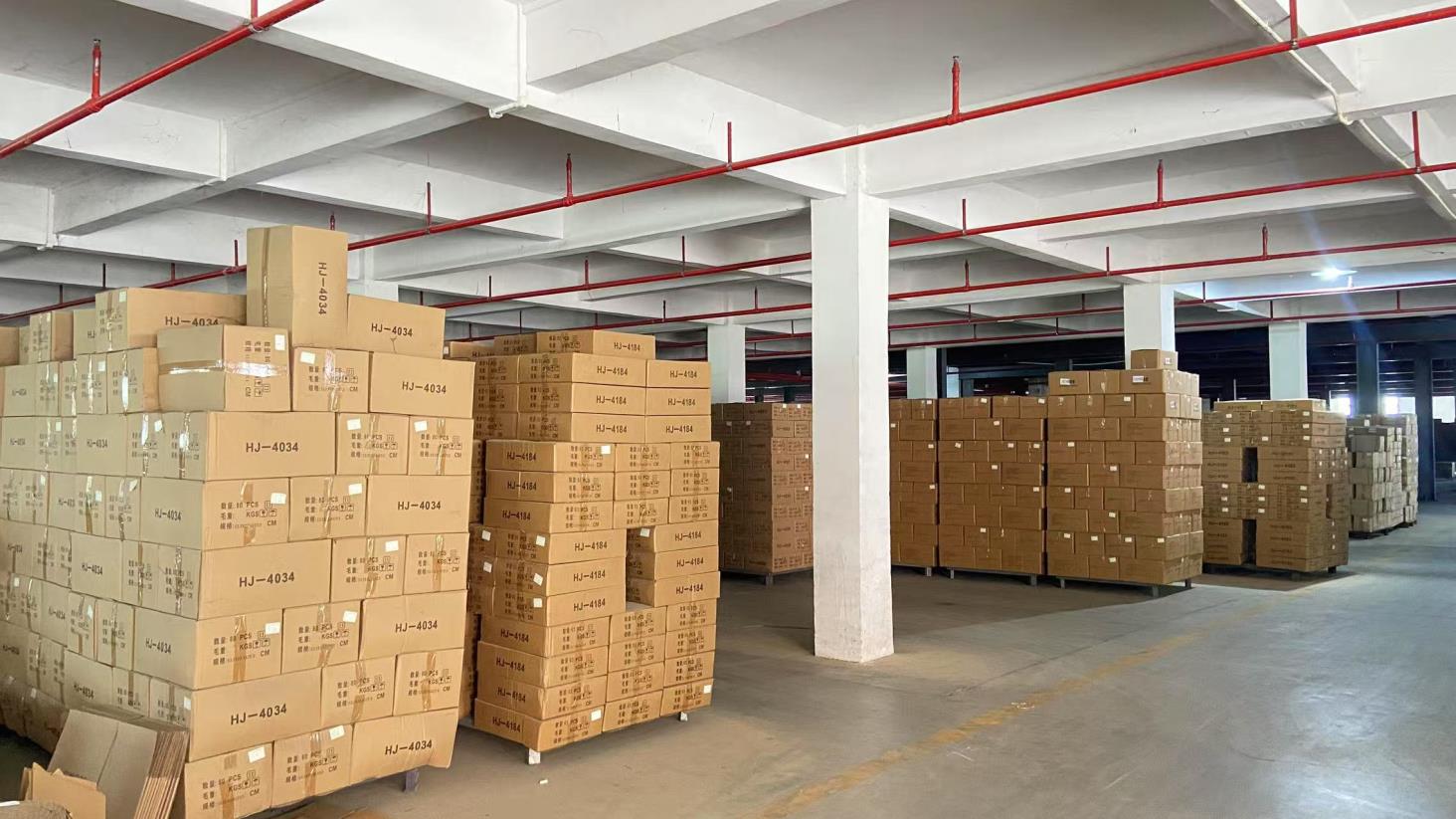
Finished Products

Spraying
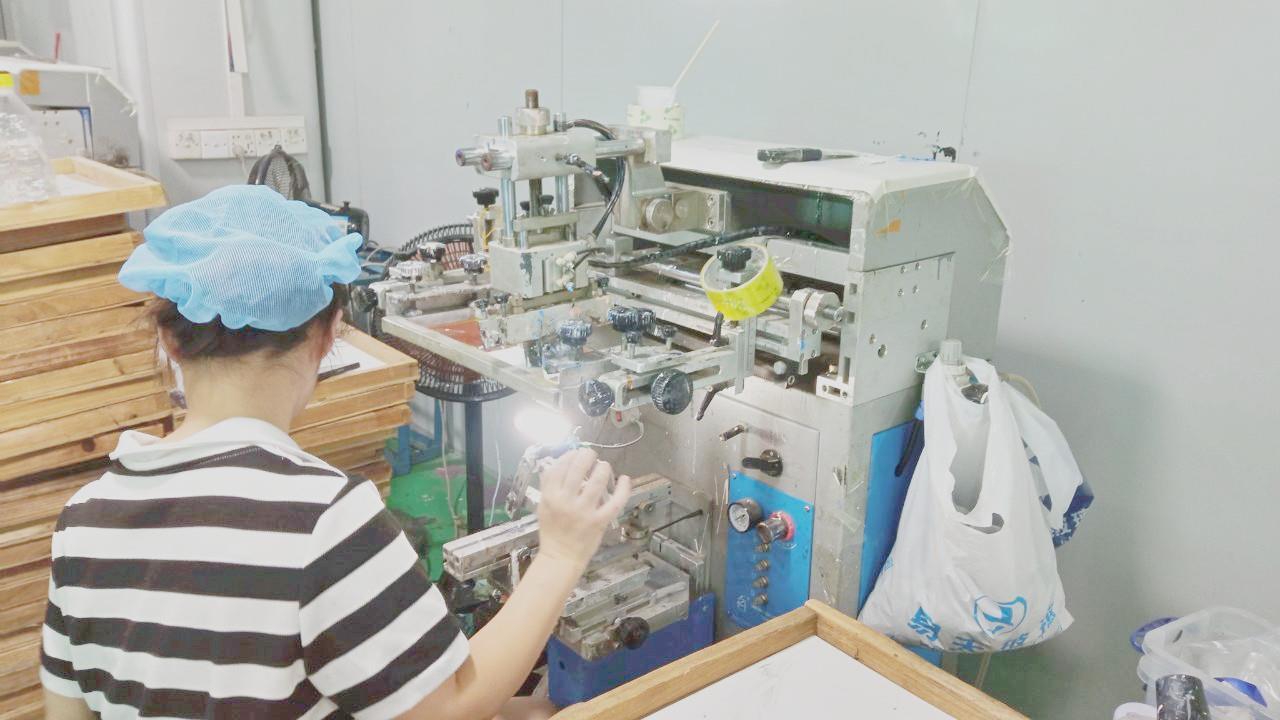
Screen Printing
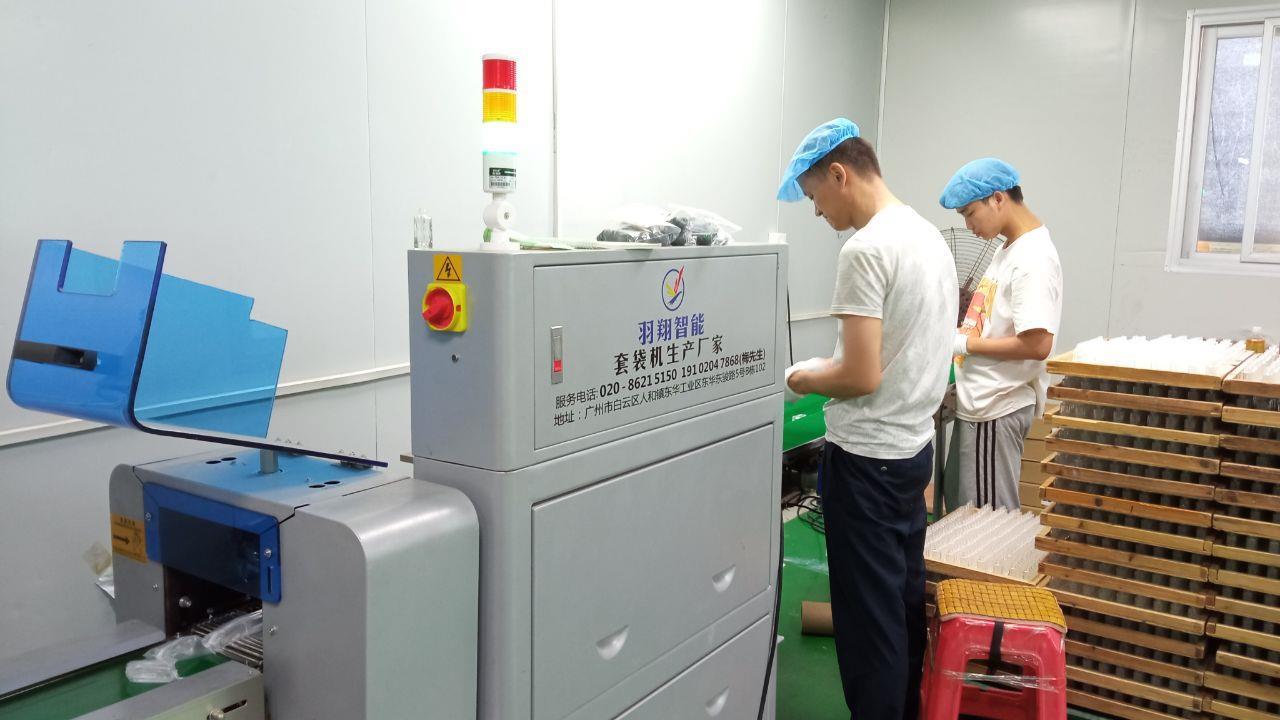
Packaging

Feeder
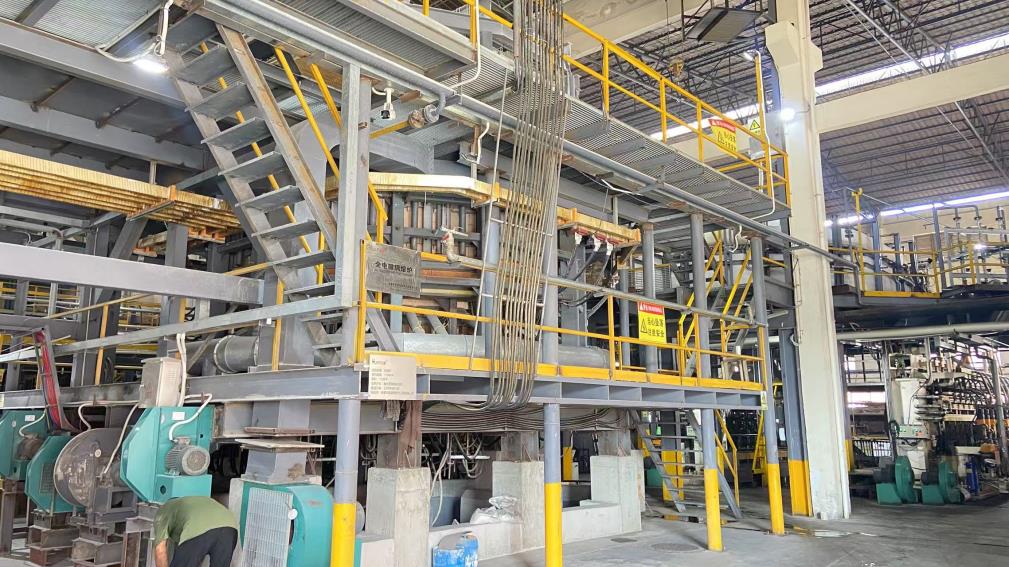
Melting Furnace
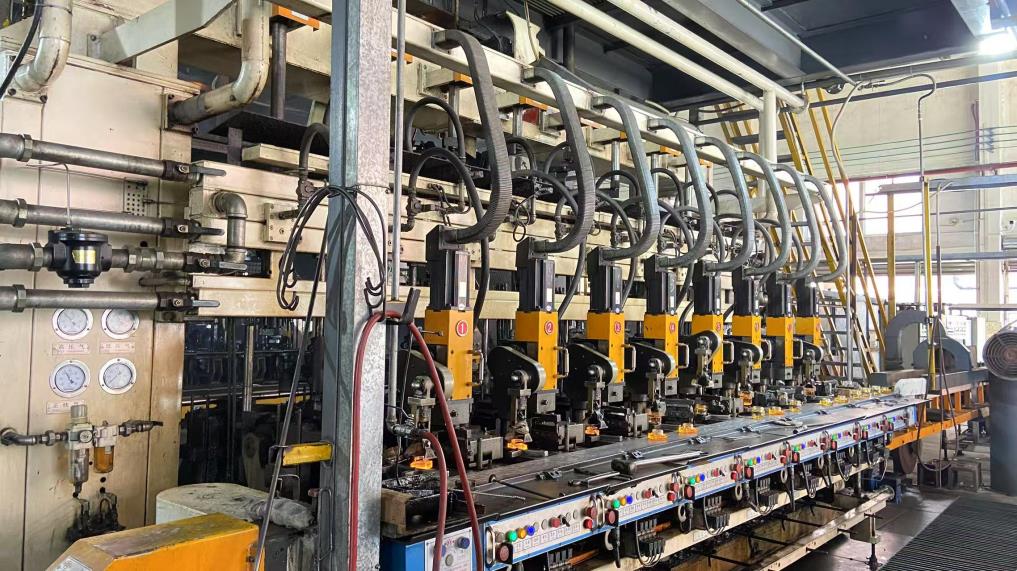
Bottle Making Machine
Macro Formulation Solutions: Setting Gels vs. Setting Sprays
A technical assessment of polymer systems, viscosity profiles, and functional differences for private-label development.
To succeed in the competitive cosmetics industry, brands must understand the structural differences between aerosol-based setting sprays and high-viscosity setting gels. While sprays rely on atomized droplet dispersion to lay a micro-film over a finished face, setting gels offer a more direct, skin-adherent application method, often integrated into primers, brow fixatives, or localized skin barriers.
The core formulation of a high-performance setting gel depends on its polymer matrix. Leading manufacturers utilize a combination of synthetic cross-polymers and natural film-formers. Standard industry benchmarks include:
- PVP/VA Copolymer: Provides strong adhesion and rapid film-formation, forming a water-resistant layer that locks pigments in place.
- Acrylates/Octylacrylamide Copolymer: Excellent for oil-control and water-resistance, making it ideal for sports-oriented or high-humidity settings.
- Sodium Hyaluronate Cross-polymer: Included in premium, clean-beauty formulations to prevent dry lines and keep the film flexible, avoiding the "tight" feeling associated with low-tier fixatives.
By adjusting the balance of these polymer networks, manufacturers can customize the final finish from a soft, natural glow to a completely matte, transfer-resistant barrier. Selecting the appropriate polymer ratio is key to meeting the needs of different consumer demographics.
Technical Roadmap & Future Outlook (2025 - 2030)
Anticipating the technological developments and sustainable trends that will shape the next generation of cosmetic fixatives.
Transition to Biodegradable Film-Formers
Developing natural alternatives to synthetic acrylates. Formulators are turning to microcrystalline cellulose, pullulan, and algae-derived alginates to achieve long-lasting hold with clean-beauty compliance.
Incorporation of Active Skin Defense
Integrating active skin protection into setting bases. Future formulations will include blue-light filters, probiotic lysates to support the skin microbiome, and micro-encapsulated SPF that remains stable within the gel network.
Post-Consumer Recycled Packaging
Transitioning to eco-responsible packaging solutions. Leading exporters are adopting PCR plastics, ocean-bound plastic resins, and refillable glass structures to minimize environmental impact and meet modern brand requirements.
Global Compliance, Certification, & Localization Support
Ensuring export quality and hassle-free customs clearance for international wholesale distribution.
Bringing cosmetic products into international markets requires navigating complex, region-specific regulatory landscapes. A primary challenge for B2B cosmetic importers is ensuring their manufacturer’s chemical compositions meet local standards. Leading exporters must provide full regulatory documentation, including:
North America (FDA)
Requires Voluntary Cosmetic Registration Program (VCRP) compliance and strict adherence to FDA-approved color additives and ingredient labeling standards.
European Union (CPNP)
Requires a designated Responsible Person (RP), the preparation of a Product Information File (PIF), and registration via the Cosmetic Products Notification Portal.
Global Logistics Support
Includes providing Material Safety Data Sheets (MSDS), UN38.3 test reports for chemical shipping, and customized customs documentation to facilitate port entry.
Frequently Asked Questions (FAQ)
Answers to critical technical and commercial questions for B2B cosmetic buyers and brand managers.
What is the difference between a setting gel and a setting spray?
A setting gel is a high-viscosity product typically applied directly to the skin (often as a primer or localized fixative) to create a structured, long-wear foundation base. A setting spray is an atomized liquid mist applied over finished makeup to lock it in place. Gels generally provide superior moisture barrier control and localized pigment hold compared to standard sprays.
How do manufacturers ensure setting gels do not clog pores?
Modern setting gels use non-comedogenic, breathable polymer networks like PVP/VA copolymers combined with natural film-formers. Rather than forming a heavy, occlusive layer, they construct a porous micro-mesh that allows gas exchange and perspiration while keeping pigments locked in place.
What is the standard MOQ for private-label setting gel manufacturing?
Minimum Order Quantities (MOQs) typically range from 3,000 to 10,000 units per formulation run, depending on customization needs, container options, and whether the client utilizes standard catalog formulas or custom R&D developments.
Are these products compliant with clean-beauty retail standards?
Yes. Manufacturers like Zhejiang Bareen Beauty Co., Ltd. offer custom formulations that comply with Sephora Clean, Credo Clean, and EU cosmetic regulations. These options are free from parabens, phthalates, mineral oils, and synthetic fragrances.
How does climate affect setting gel performance?
In hot, humid climates, formulations require oil-absorbing polymers (such as silica or starch derivatives) and stronger hydrophobic film-formers to prevent sweat from breaking the makeup barrier. In dry climates, the inclusion of humectants like hyaluronic acid prevents the film from drying out and cracking.
Additional Beauty Solutions & Premium Accessories
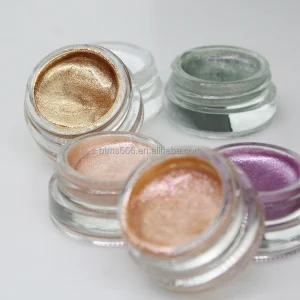
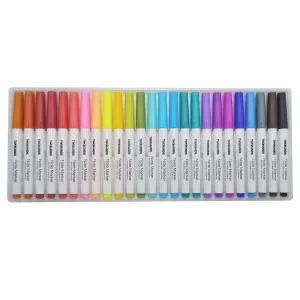
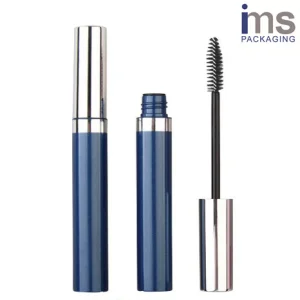
Expand your product catalog with our line of color cosmetics, beauty applicators, and high-quality packaging options.