Premium Cosmetic Formulations & Products
Explore our foundational range of private-label cosmetics, skincare integrations, and precision manufacturing systems.
1. Executive Summary & The Evolution of Liquid Lipstick Formulations
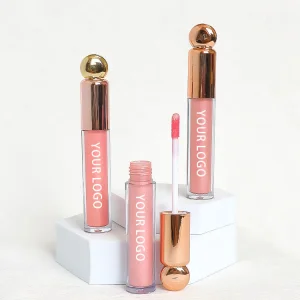
The global cosmetics market is undergoing a seismic shift in consumer preferences, particularly within the lips segment. Liquid lipsticks have evolved from dry, heavy matte formulas into advanced, multi-functional cosmetic marvels. Modern consumers no longer compromise between endurance and comfort; they demand ultra-long-wear performance coupled with deep hydration and barrier protection. As a consequence, leading B2B buyers and global cosmetic brands are seeking partnerships with agile, technologically advanced manufacturing hubs in China to satisfy this evolving user intent.
"The intersection of macromolecular polymer science and plant-derived lipids has redefined the wear-profile of liquid lipsticks. Modern formulation engineering focuses on volatile carrier optimization and flexible silicone networks."
Liquid lipstick formulation engineering is fundamentally an interplay of polymer science, volatile carriers, pigment dispersion techniques, and emollient packages. Early generations relied heavily on high concentrations of volatile siloxanes combined with rigid structure-forming clays. While this yielded excellent smudge-proof results, it frequently resulted in cracking, trans-epidermal water loss (TEWL), and a compromised lip barrier. Today’s state-of-the-art factories employ complex cross-linked silicone resins, such as trimethylsiloxysilicate (TMS) and polypropylsilsesquioxane, which form flexible, breathable, and stretchable networks on the lips. When coupled with lightweight ester oils and volatile hydrocarbons like isododecane, these systems provide a weightless sensation upon application, evaporating cleanly to leave a uniform film that moves naturally with the lips.
Furthermore, the shift toward clean beauty has required manufacturers to source biodegradable alternatives to microplastics and synthetic silicones. The integration of bio-based film formers, derived from natural sources like castor oil polymers, canola oil, and wood rosin derivatives, has become a core R&D frontier. Suppliers who can master this complex chemistry while preserving high transfer resistance are capturing significant market share.
Market Statistics
Key Growth Drivers: The rising influence of social media video content demands true-to-life color reproduction. The development of hybrid cosmetics (moisture-rich lip oils that dry to transfer-resistant stains) is driving incremental revenue across Western and Asian-Pacific markets.
2. Global Procurement Dynamics & Sourcing Challenges
Procuring liquid lipsticks at scale involves navigating a complex web of supply chain challenges, regulatory hurdles, and quality assurance benchmarks. For global sourcing directors, the decision to partner with Chinese cosmetic factories is driven by unmatched cost-efficiencies, infrastructure integration, and rapid prototyping capabilities. However, successful execution requires addressing structural bottlenecks:
Formula Customization & Viscosity Control
Maintaining batch-to-batch consistency is one of the primary issues in liquid lipstick production. Variations in pigment wetting agents, temperature profiles during melting, and shear rates during mixing can alter the viscosity, leading to issues like streaking, bleeding, or premature drying inside the packaging. Advanced suppliers utilize precision automated homogenizers and rheometers to control the flow properties of every batch.
Packaging Compatibility & Leak Prevention
Because liquid lipsticks contain highly volatile compounds (such as isododecane), the primary packaging must offer an airtight seal. Poorly designed wipers, low-quality bottle threads, or incompatible flocking materials on the doe-foot applicator can result in solvent evaporation, leakage, or applicator degradation. Importers must work with manufacturers who conduct vacuum leak testing and compatibility studies.
Regulatory Barriers & Ingredient Exclusions
Navigating global regulatory frameworks is a major pain point. For example, certain synthetic colorants (such as specific D&C red lakes) allowed in the United States are restricted in the European Union or Japan. Similarly, the transition toward animal-welfare policies requires certified cruelty-free and vegan ingredients. Top-tier Chinese manufacturers offer localized regulatory support, ensuring compliant ingredient listings for target markets.
Corporate Profile & Enterprise Infrastructure
A detailed overview of Zhejiang Bareen Beauty Co., Ltd., focusing on production scale, technical capabilities, and global presence.
Zhejiang Bareen Beauty Co., Ltd.
Zhejiang Bareen Beauty Co., Ltd. is an industry-leading cosmetics manufacturer and beauty solutions provider headquartered in Zhejiang, China. Operating within one of China's most advanced manufacturing zones, the company has established a comprehensive cosmetic supply chain that integrates innovative research and development, ISO-certified manufacturing, global brand support, and international distribution networks.
With years of specialized experience in color cosmetics, Bareen Beauty provides cutting-edge OEM/ODM and private-label manufacturing services to cosmetics brands, wholesalers, and e-commerce platforms across North America, Europe, the Middle East, and Southeast Asia. The company’s core strategy centers around continuous technological improvement, strict quality assurance protocols, and client-focused commercial models.
Our Global Vision & Strategic Mission
Operating under the mission of "Enhancing Beauty Through Innovation," Bareen Beauty is committed to leveraging modern cosmetic chemistry to develop safe, effective, and trend-setting products. By utilizing automated production technologies and maintaining strict GMPC standards, the company aims to remain a trusted global manufacturing partner, helping cosmetic brands scale up seamlessly from initial concept to high-volume market execution.
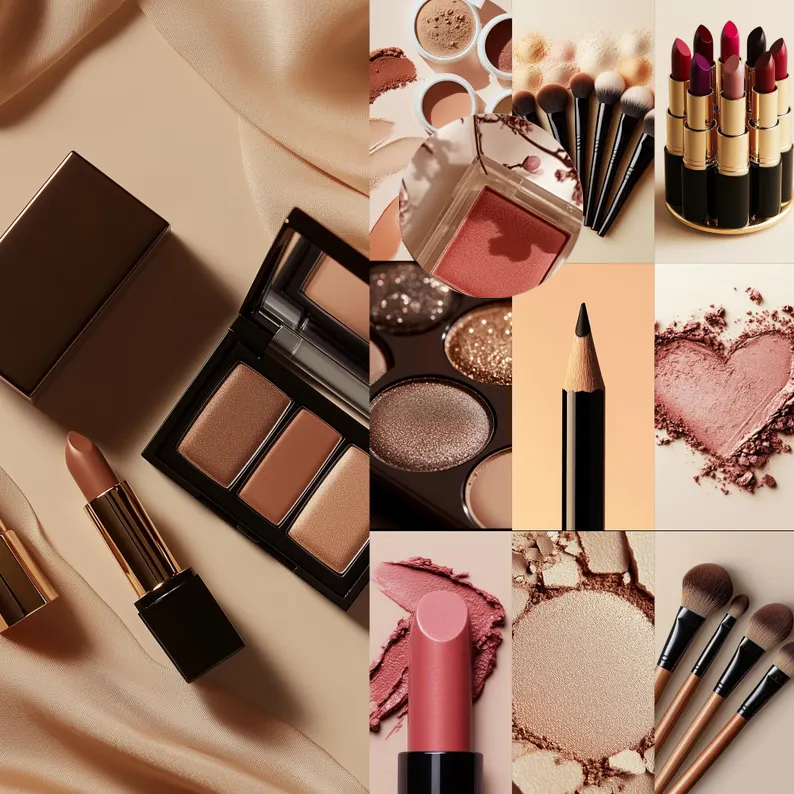
Innovative R&D
Continuous investment in product formulation innovation. Our advanced laboratory collaborates with leading global raw material suppliers to create safe, cutting-edge, and high-performance cosmetics.
Advanced Manufacturing
Modern GMPC-compliant workshops equipped with automated production lines. Our production processes optimize throughput, limit human error, and guarantee timely delivery.
Strict Quality Assurance
Rigorous quality gates from raw materials to final release. Our testing protocols ensure full compliance with FDA, EC 1223/2009, and other international safety guidelines.
Global Market Presence
Exporter to more than 50 countries and regions. We maintain strong commercial networks with global brands, volume wholesalers, e-commerce retailers, and distributors.
One-Stop OEM/ODM Customization Services
Comprehensive private-label assistance covering concept development, custom shade matching, compatibility studies, tube and packaging design, regulatory filing, and large-scale manufacturing. We help clients scale efficiently, providing flexible MOQs and competitive lead times.
3. Precision Manufacturing & Workflow Execution
A transparent breakdown of our step-by-step production flow, demonstrating how Zhejiang Bareen Beauty Co., Ltd. achieves high quality, stability, and cosmetic safety.
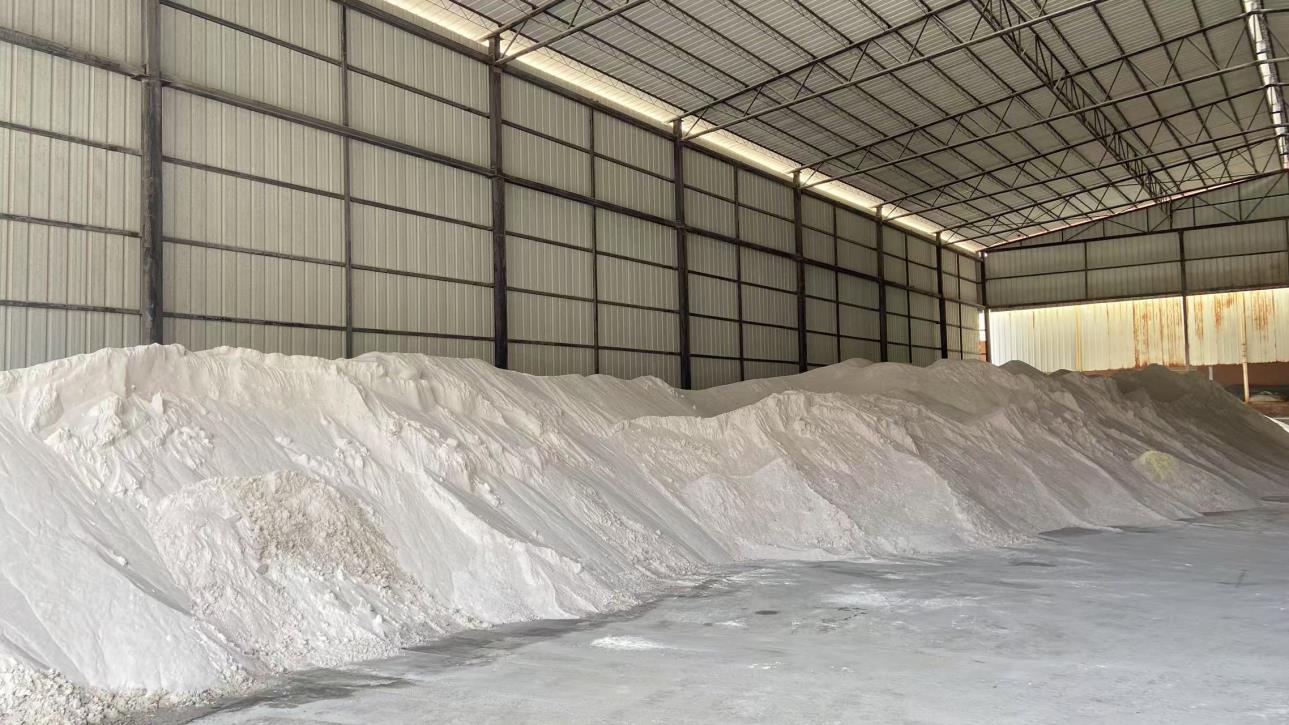
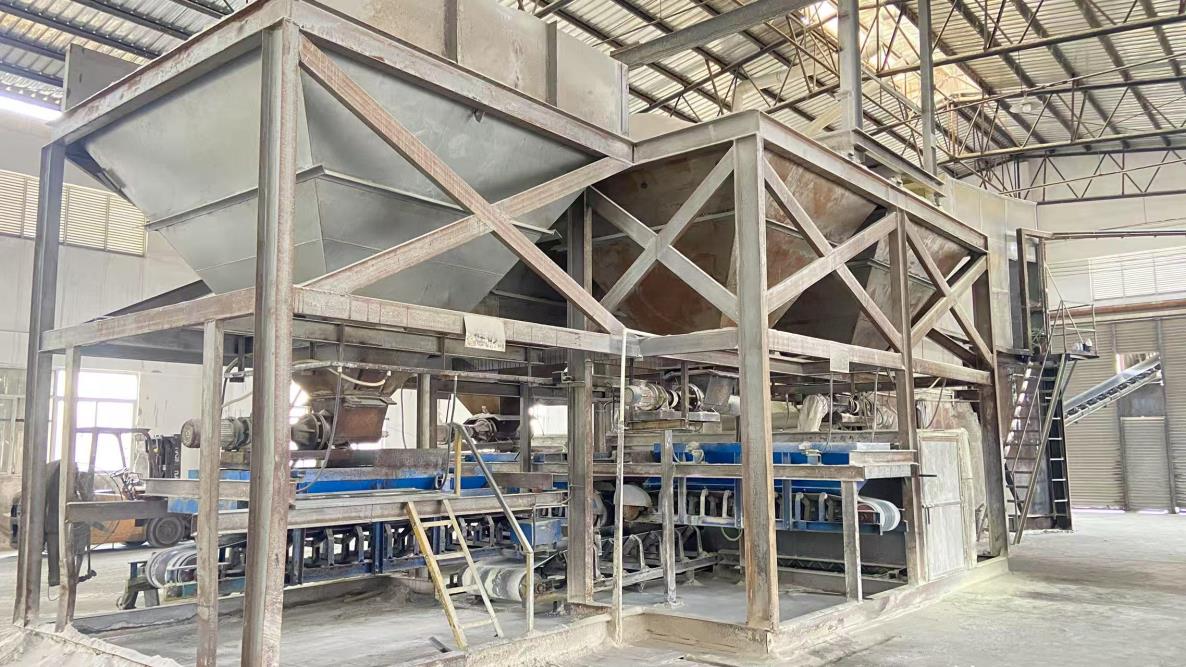
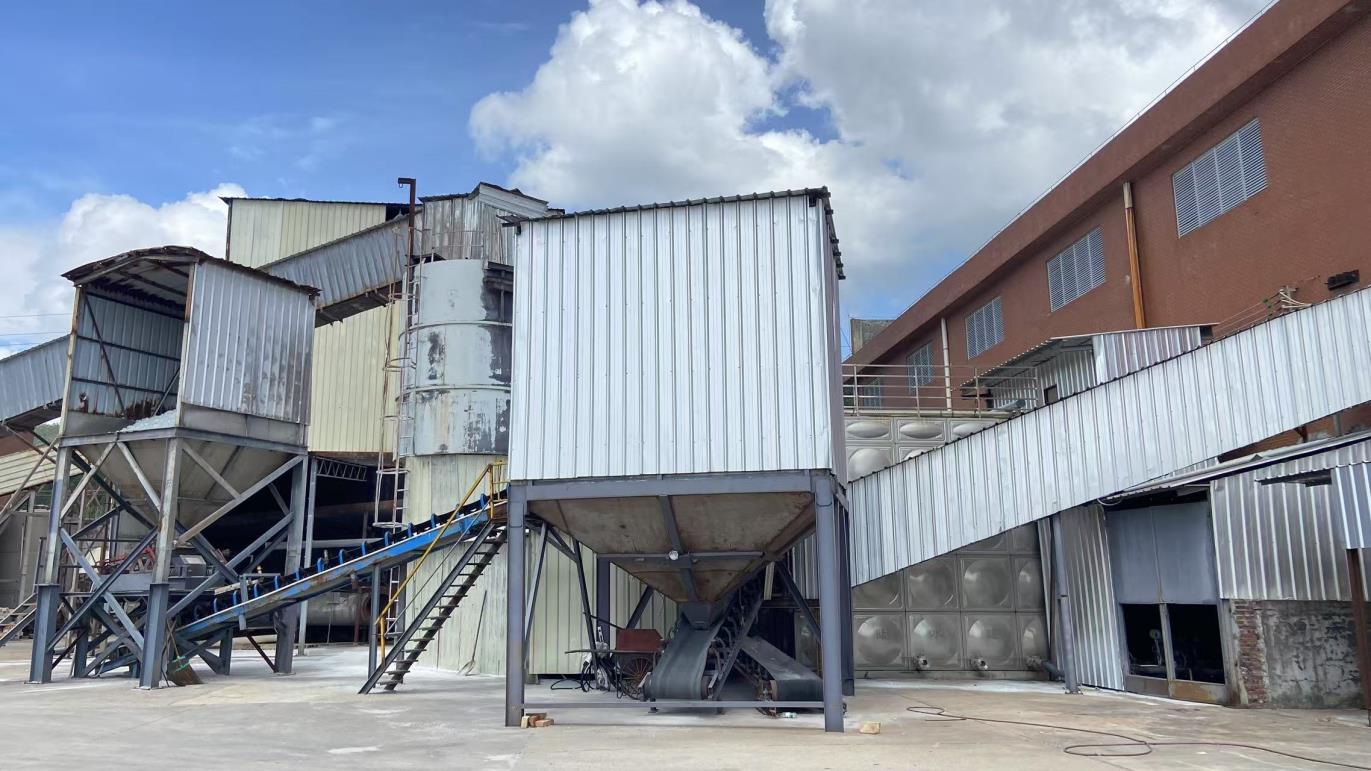
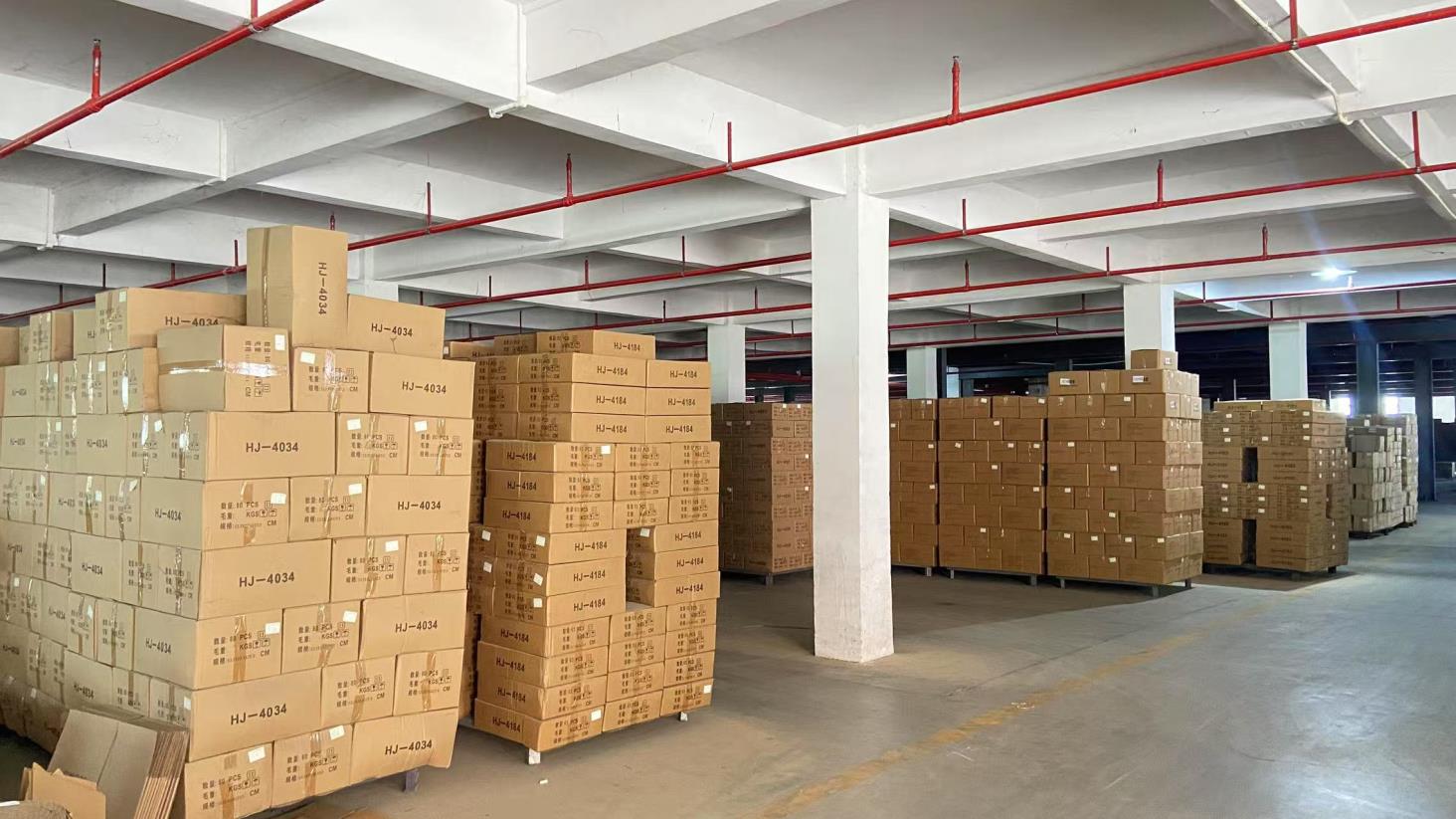
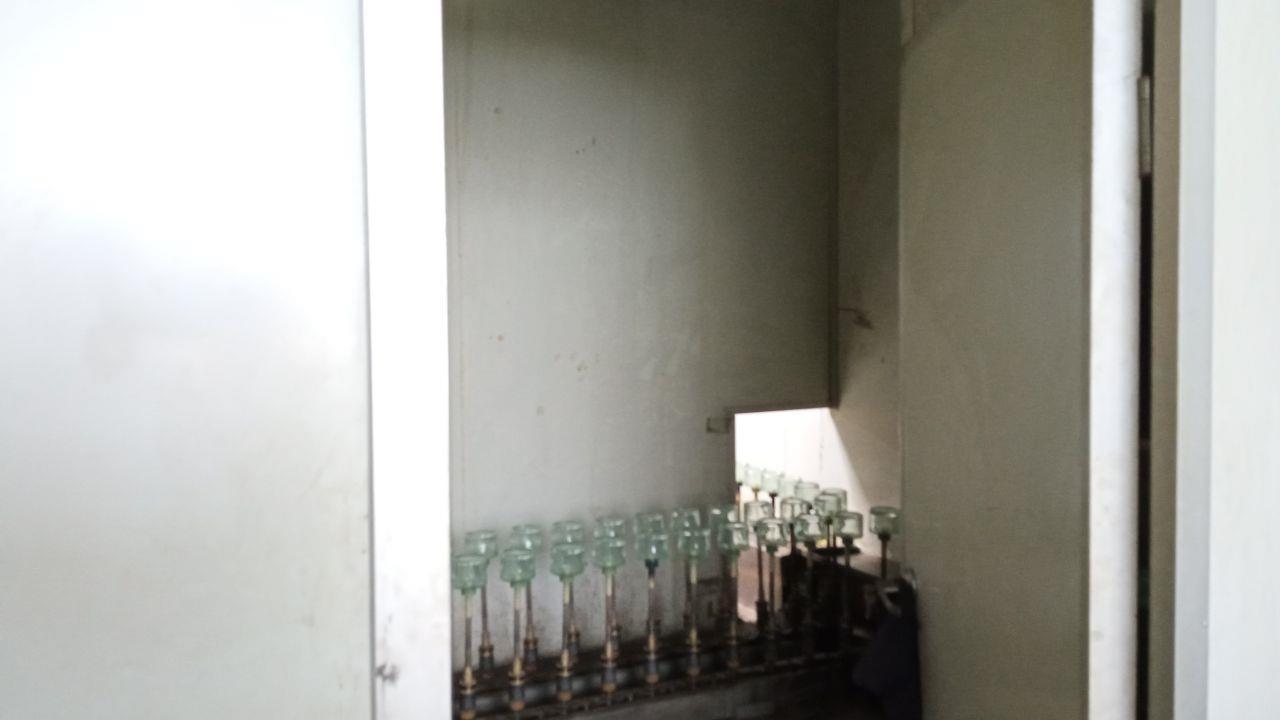
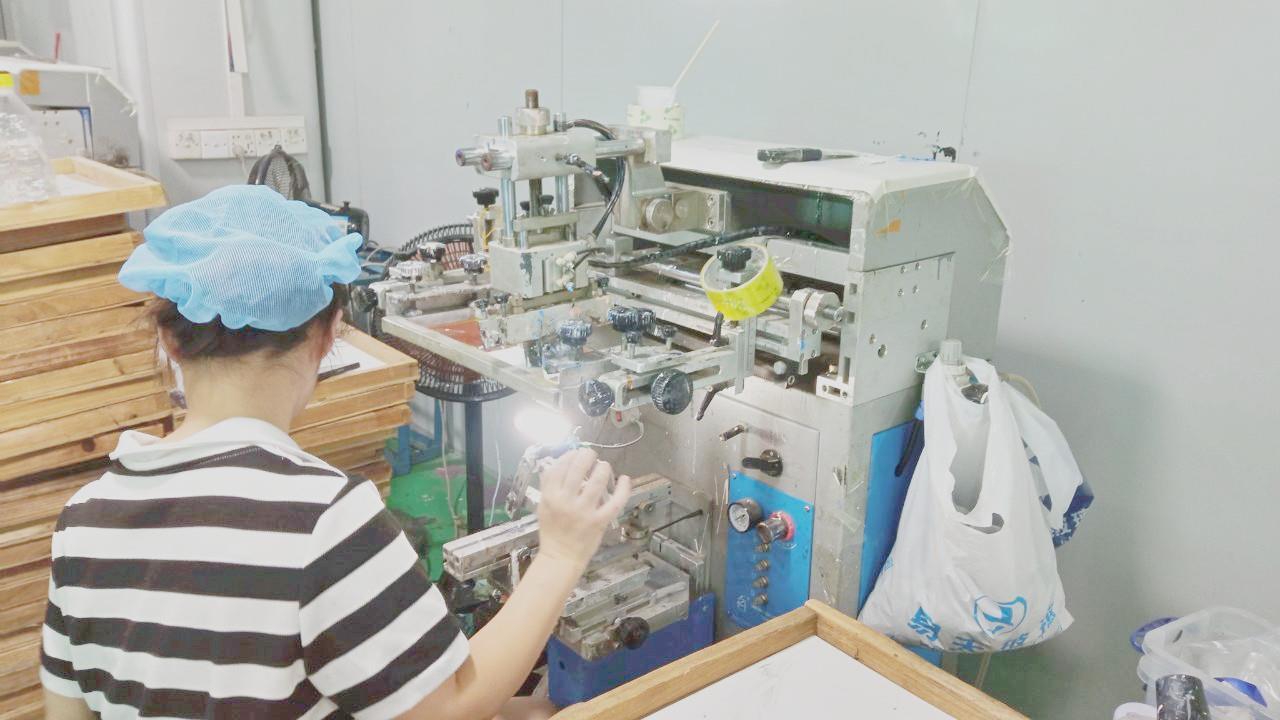
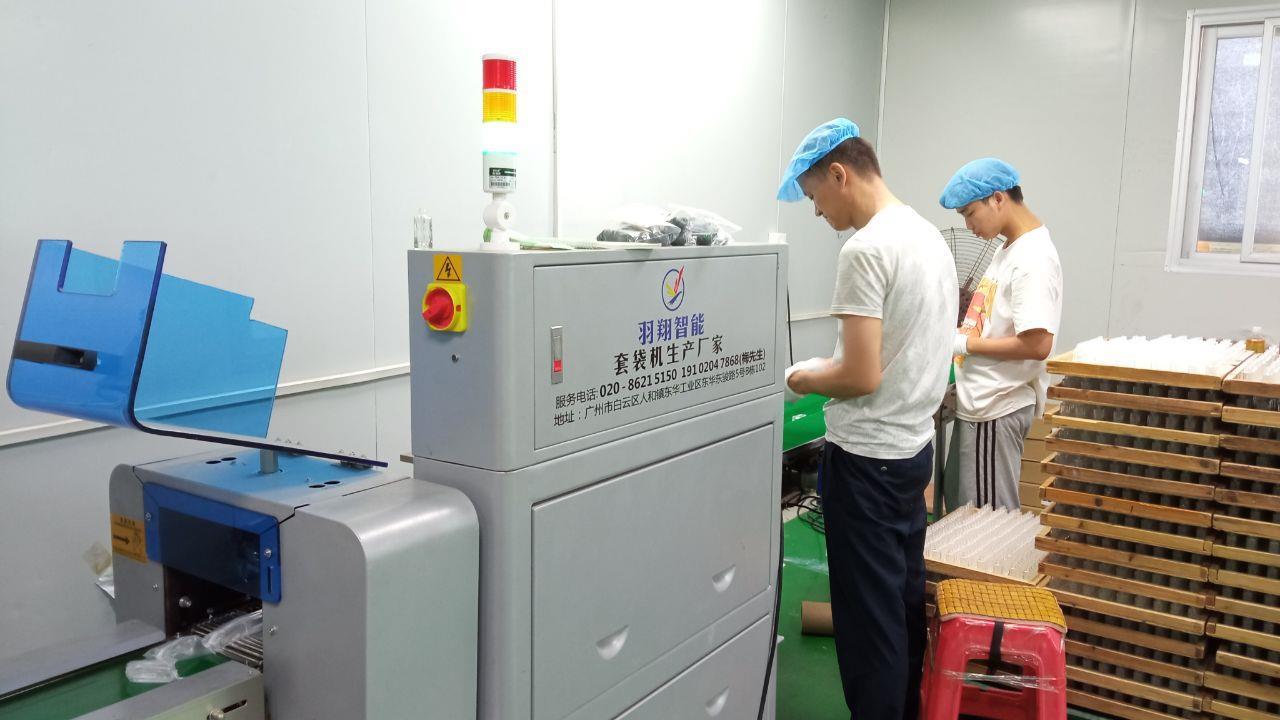
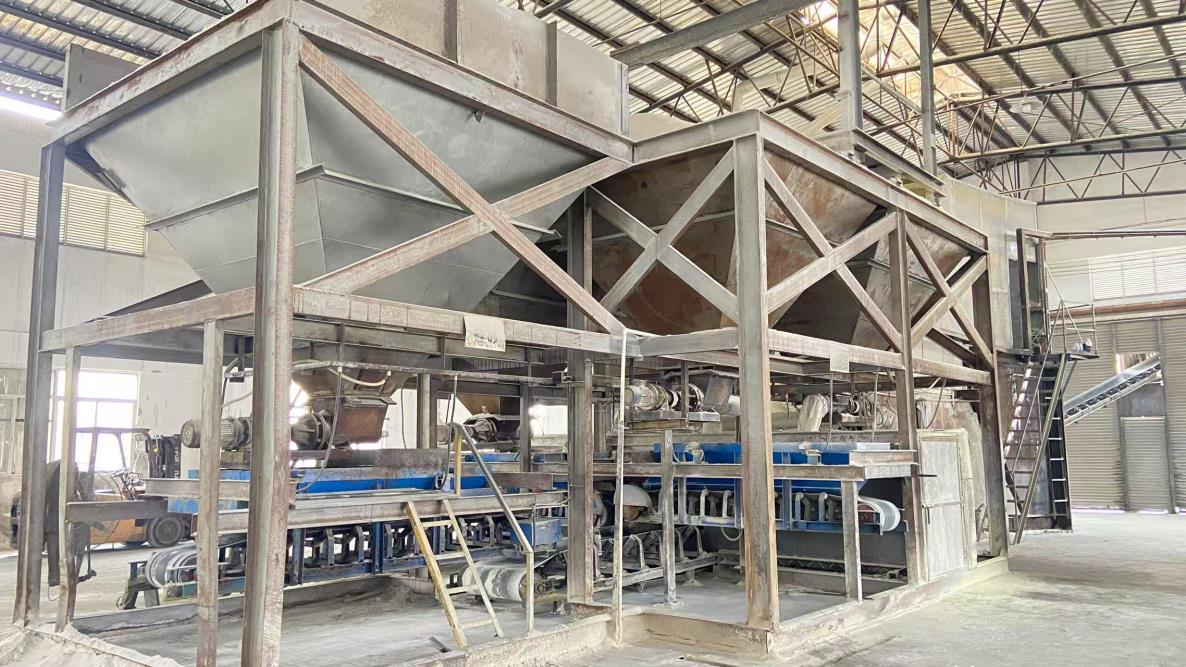
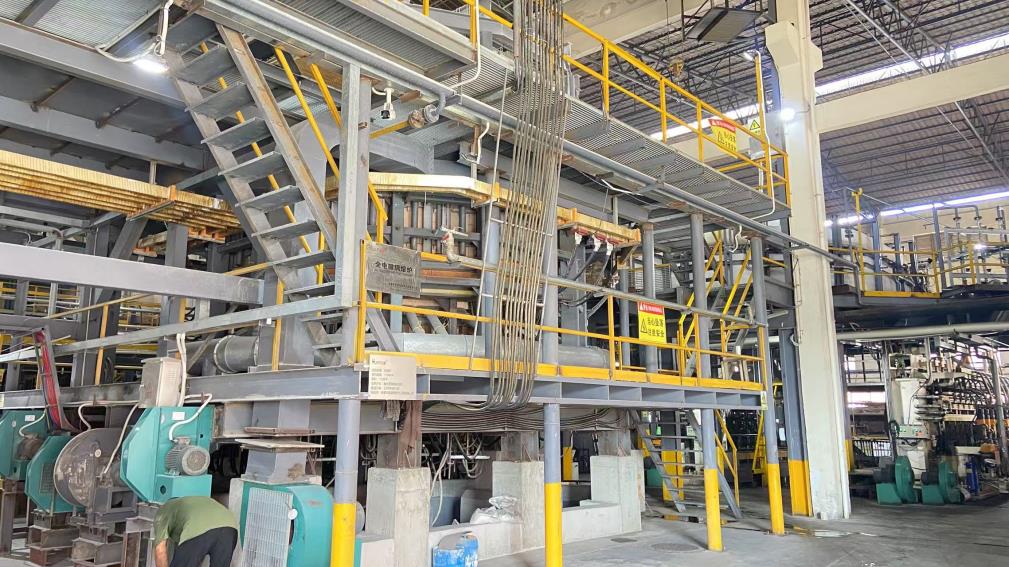
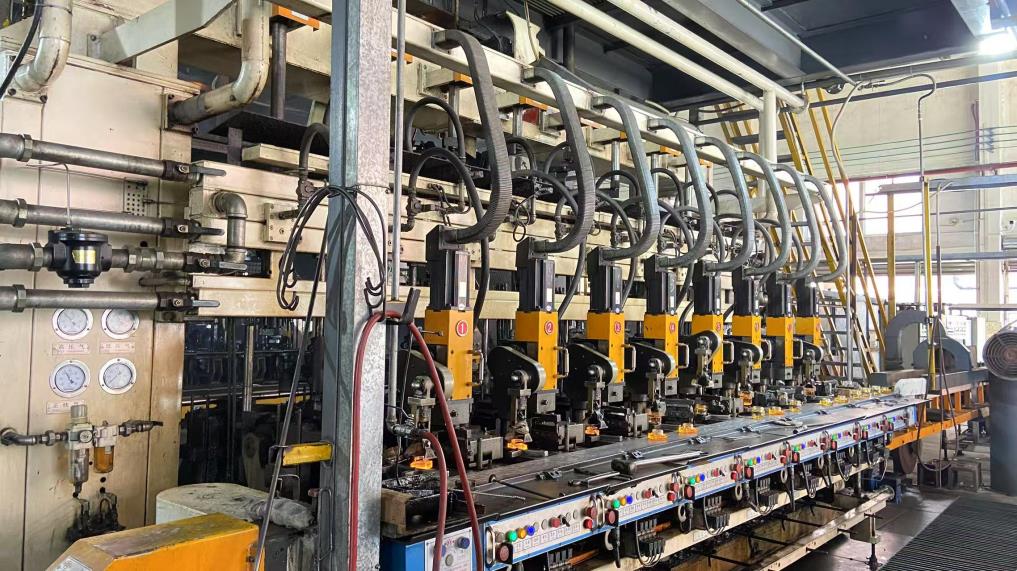
Understanding Our Industrial Workflow
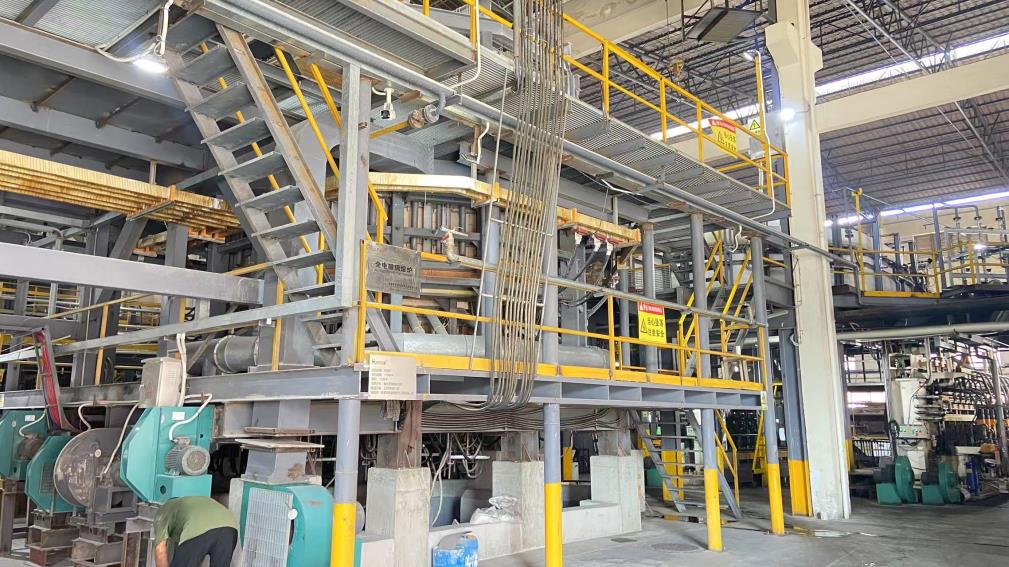
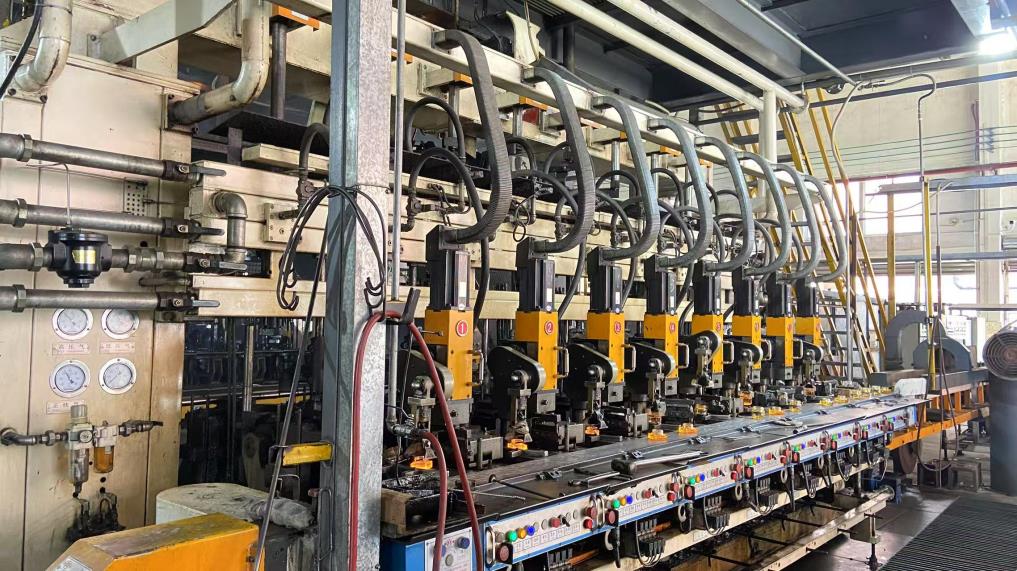
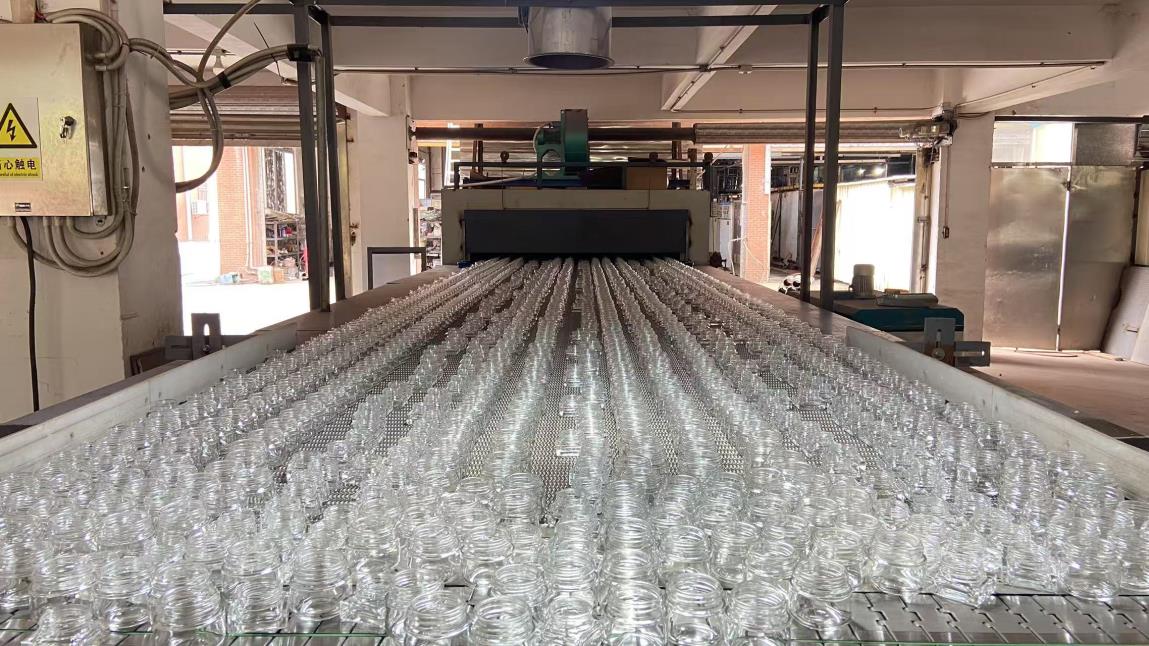
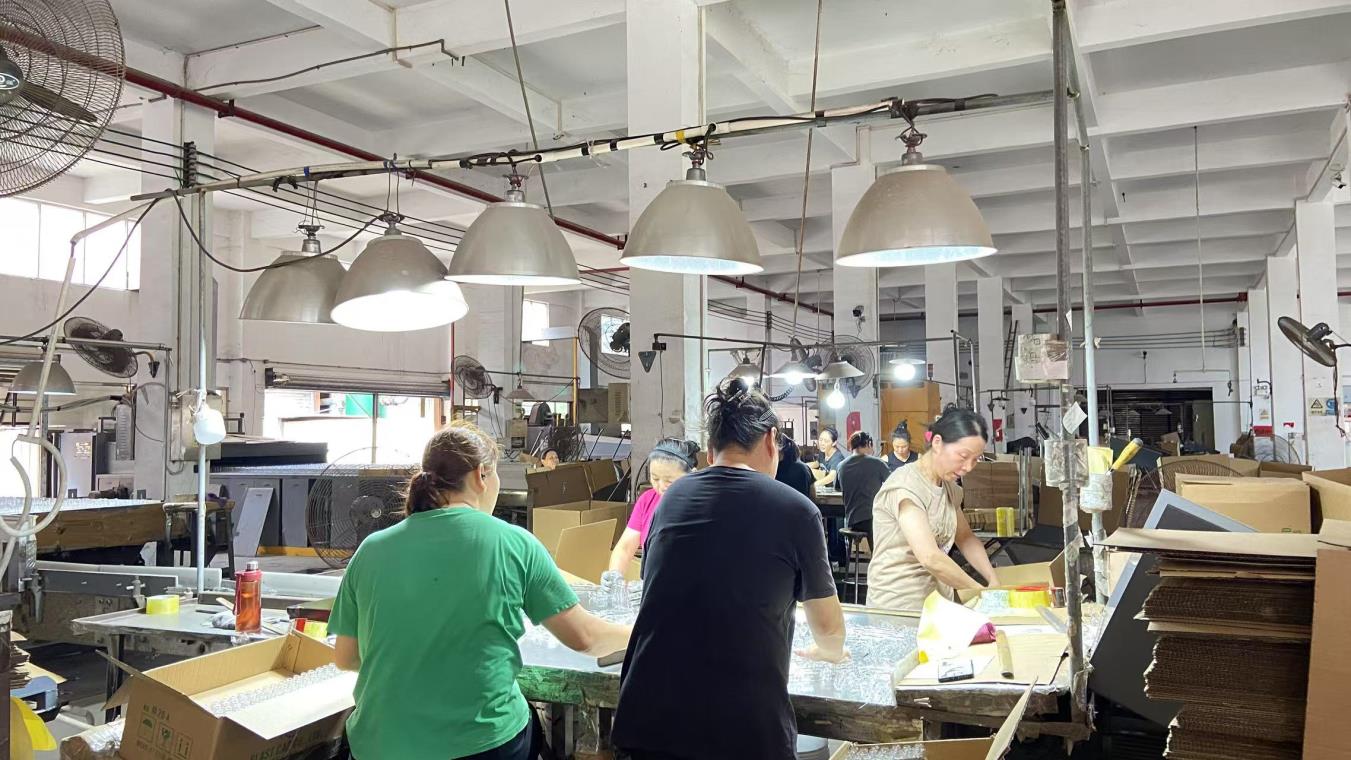
Our manufacturing process starts with rigorous chemical validation. Raw Materials Sourcing (1) involves inspecting pigments, film-formers, and oils for trace heavy metals and microbial pathogens. During High-Shear Mixing (2), pigments are milled and dispersed into the oil phase using colloidal mills to ensure a sub-micron particle size distribution, preventing subsequent sedimentation or grittiness.
Following maturation in Safe Storage (3) and liquefaction in the Melting Furnace (13), the formulation enters the automated filling stage. Simultaneously, our integrated packaging division uses advanced Bottle Making Machines (14), Bottle Blowing (5), and Stress Relief Annealing (6) to manufacture primary vials that are physically and chemically compatible with the formulation. Decorative customization is executed via Exterior Spraying (9) and high-definition Screen Printing (10). Finished products are checked using automated vision inspection and torque tests to guarantee leak-free logistics.
4. Localized Support, Compliance & Quality Management
Exporting cosmetics globally requires strict adherence to regional consumer safety laws. Zhejiang Bareen Beauty Co., Ltd. helps brands navigate regulatory requirements, minimizing compliance risk during customs clearance and retail rollouts.
- ISO 22716 & GMPC Compliance: Our cleanrooms operate under class 100,000 air purity standards. Automated environmental monitoring measures particulate density and microbial counts, providing a sanitary manufacturing setting.
- Global Regulatory Support: We assist with FDA voluntary cosmetic registration (VCRP), European CPNP notifications, Health Canada cosmetic notifications, and Australian NICNAS requirements. Ingredient listings (INCI) are formulated to meet regional compliance standards.
- Advanced Analytical Testing: Our on-site QA laboratory conducts physical and chemical analyses on every batch. Testing includes heavy metal screening (ICP-MS), microbiological assays, freeze-thaw stability testing, and packaging compatibility testing (up to 45°C for 12 weeks).
- Traceability Systems: Every batch is assigned a unique tracking code linked to its raw material source, manufacturing log, and packaging run. This system supports accountability throughout the supply chain.
5. Technology Roadmap & Future Market Trends
To maintain a competitive edge, Zhejiang Bareen Beauty Co., Ltd. continuously updates its manufacturing processes and product lines. Our R&D team targets emerging consumer preferences and formulation advancements to support brand growth:
Formulation Science: Hybrid Lips
We develop hybrid formulas that combine the long wear of a liquid lipstick with the hydration of a treatment oil. By utilizing polymeric ester complexes, these formulas deliver rich pigment while maintaining lip moisture.
Sustainable Packaging & Refillable Formats
We work with Post-Consumer Recycled (PCR) plastics, ocean-bound plastic components, and biodegradable PLA housings. We also offer refillable liquid lipstick tubes to reduce packaging waste.
Precision Color Matching & Micro-Pigmentation
Our lab uses spectrophotometers and color-matching software to replicate target shades across different batch sizes. We ensure consistent color rendition under various light sources, including D65 daylight and store LED lighting.
Frequently Asked Questions (FAQ)
Expert answers to common B2B procurement queries regarding formulation, compliance, and logistics.
What is the standard Minimum Order Quantity (MOQ) for custom liquid lipstick projects?
Our standard MOQ for custom formulation projects starts at 12,000 units per formulation, with a minimum of 3,000 units per individual shade. For standard in-house private-label formulas in stock packaging, we can accommodate orders starting at 1,000 to 2,000 units, depending on materials and customization requirements.
How does Bareen Beauty guarantee compliance with European Union (EC 1223/2009) regulations?
We work with verified raw material suppliers who provide complete documentation, including MSDS, COA, and TSE/BSE statements. Our regulatory team reviews all formulations to ensure they exclude EU-banned cosmetic substances and utilize approved colorants. We also provide Product Information Files (PIF) and assist with CPNP notification processes.
Can you formulate vegan, cruelty-free, and clean-label liquid lipsticks?
Yes. We offer fully vegan and cruelty-free formulation bases that replace beeswax, carmine, and animal-derived lanolin with plant waxes, synthetic mica, and ester oils. Our clean formulations avoid parabens, phthalates, D5 silicones, and mineral oils, conforming to clean beauty standards.
What testing do you perform to prevent packaging leaks and evaporation?
Our quality control team performs vacuum leak tests at -0.08 MPa for 30 minutes on final assemblies to ensure airtight seals. We also conduct high-temperature evaporation tests to verify that volatile solvents remain sealed within the tube over the product's shelf life.
What are the typical lead times for custom product runs?
For existing formulations using standard packaging, lead times range from 30 to 40 days after sample approval and deposit receipt. For custom formulations requiring stability testing, packaging compatibility studies, and custom tooling, the timeline averages 60 to 75 days.
Complete Cosmetic Product Catalog
Browse our full selection of formulations, tools, and decorative packaging solutions built for global retail markets.