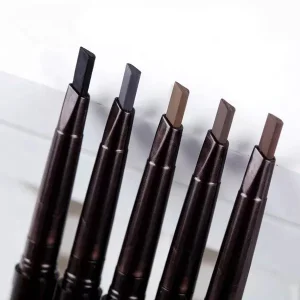
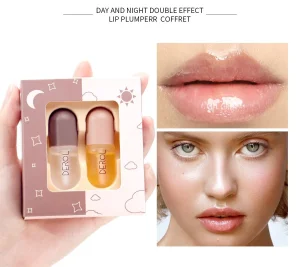
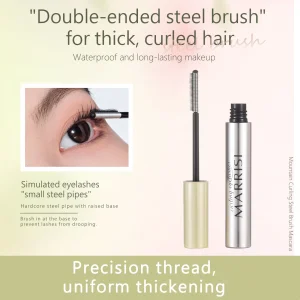
Featured Cosmetic Formulations
The Global Evolution of Translucent Powder Manufacturing
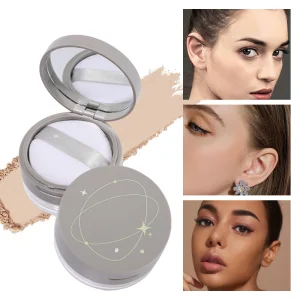
Executive Sourcing Summary: Translucent powder is no longer merely a finishing step in color cosmetics; it has evolved into a highly engineered barrier technology designed to regulate sebum kinetics, minimize optical defects, and enhance product wearability across diverse skin tones and environmental climates. As global consumer demand shifts toward talc-free, clean, and photogenic (flashback-free) formulations, sourcing managers must understand the structural advantages, raw material processing methodologies, and compliance architectures offered by top-tier Chinese manufacturers.
Understanding Translucent Powder Physics
The performance of a premium translucent powder relies heavily on its particulate design. Traditional formulas heavily relied on talc as a base filler. However, modern cosmetics R&D demands advanced alternatives such as high-purity mica, spherical silica, corn starch, and boron nitride. Spherical silica plays a vital role in light scattering (soft-focus effect) and oil absorption without drying out the skin barrier.
By leveraging advanced wet-milling and air-jet pulverization techniques, leading Chinese factories can reduce the average particle size of these powders down to the sub-micron scale (typically 5 to 15 microns). This ultra-fine particle distribution prevents the powder from settling into fine lines and eliminates the dreaded "cakey" appearance, making it highly compatible with modern high-definition (HD) cameras and varied lighting environments.
Strategic Supply Chain Integration in China
China's cosmetic manufacturing landscape has transformed from a low-cost production center into a highly advanced, integrated ecosystem. Key clusters in provinces like Zhejiang and Guangdong leverage proximate access to premium raw material refineries, custom packaging molders, and automated assembly operations. This high density of suppliers minimizes transit times, lowers raw material costs, and allows for rapid prototyping and scale-up phases.
For global brands, this highly integrated infrastructure translates to significantly reduced lead times, highly competitive FOB pricing, and the ability to customize formulations down to the exact mineral coatings—such as dimethicone or lauroyl lysine treatments—which alter the hydrophobicity and skin-adhesion capabilities of the finished powder.
Company Profile: Zhejiang Bareen Beauty Co., Ltd.
Zhejiang Bareen Beauty Co., Ltd. is a professional cosmetics manufacturer and beauty solutions provider based in Zhejiang, China. With years of expertise in the beauty industry, the company specializes in the research, development, production, and global distribution of high-quality cosmetic products. Bareen Beauty is committed to delivering innovative beauty solutions and customized OEM/ODM services to clients worldwide.
Headquartered in one of China's leading manufacturing regions, the company operates modern production facilities equipped with advanced manufacturing technologies and strict quality management systems. By integrating product development, manufacturing, branding support, and international trade services, Bareen Beauty has built a comprehensive beauty industry supply chain that serves customers across the globe.
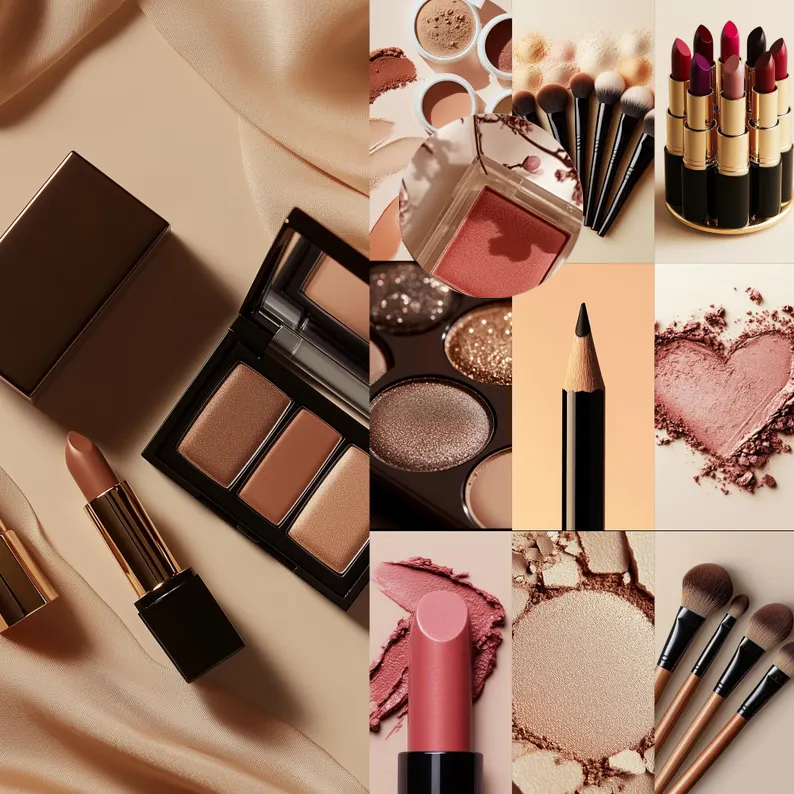
Core Strengths & Operational Excellence
Bareen Beauty's competitive advantage lies in its holistic approach to product creation, combining deep formula knowledge with robust quality systems. Here is how they deliver value:
- ✔ Innovative R&D: Continuous investment in product innovation and formula development. Collaborating with international raw material suppliers ensures safe, market-oriented cosmetics.
- ✔ Advanced Manufacturing: Modern GMP-compliant workshops equipped with automated and semi-automated production lines ensure consistent batch quality and timely delivery.
- ✔ Strict Quality Assurance: Every production stage follows strict international safety standards, enabling products to pass regulatory hurdles in Europe, North America, and the Middle East.
- ✔ Global Footprint: Exporting to over 50 countries, building strong partnerships with wholesalers, private-label brands, and e-commerce leaders.
Corporate Vision
Guided by the principles of Integrity, Innovation, Quality, and Mutual Success, Bareen Beauty continuously improves its technologies, services, and manufacturing capabilities. With the mission of "Enhancing Beauty Through Innovation", they strive to be a trusted global cosmetics manufacturing partner shaping the future of the beauty industry.
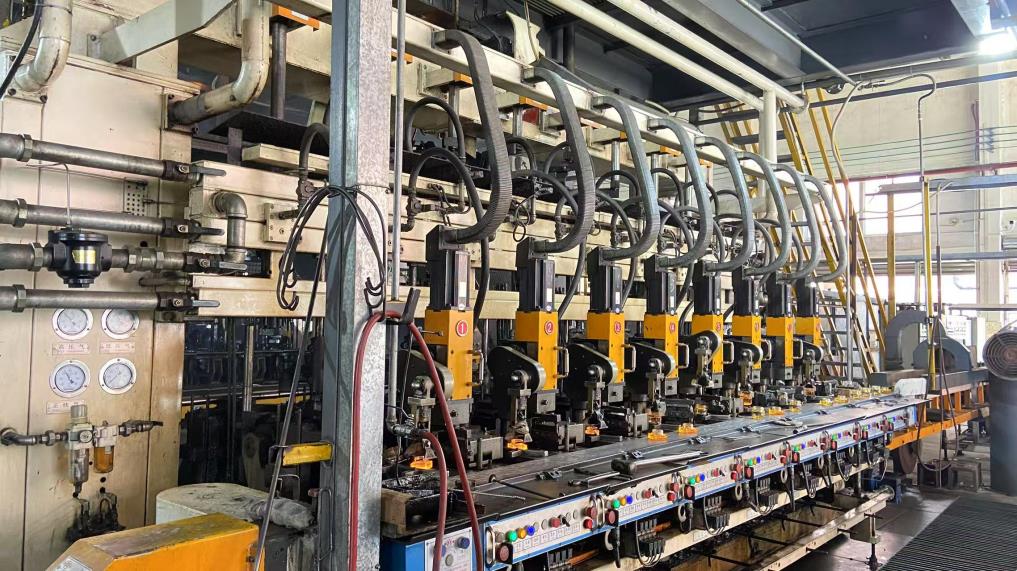
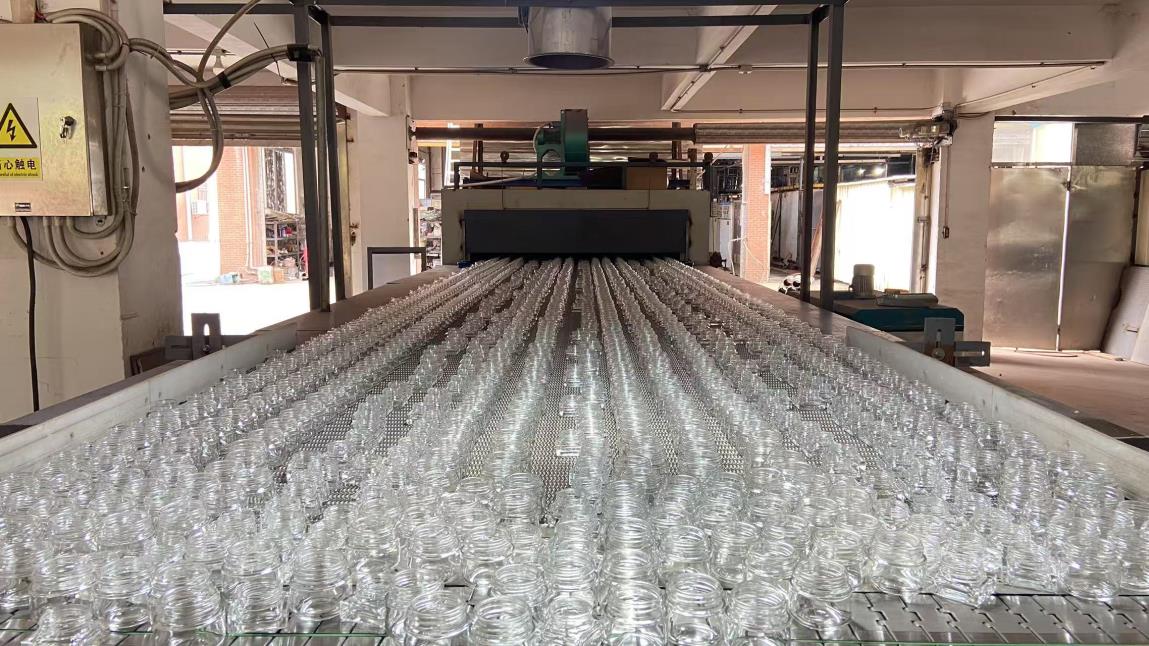
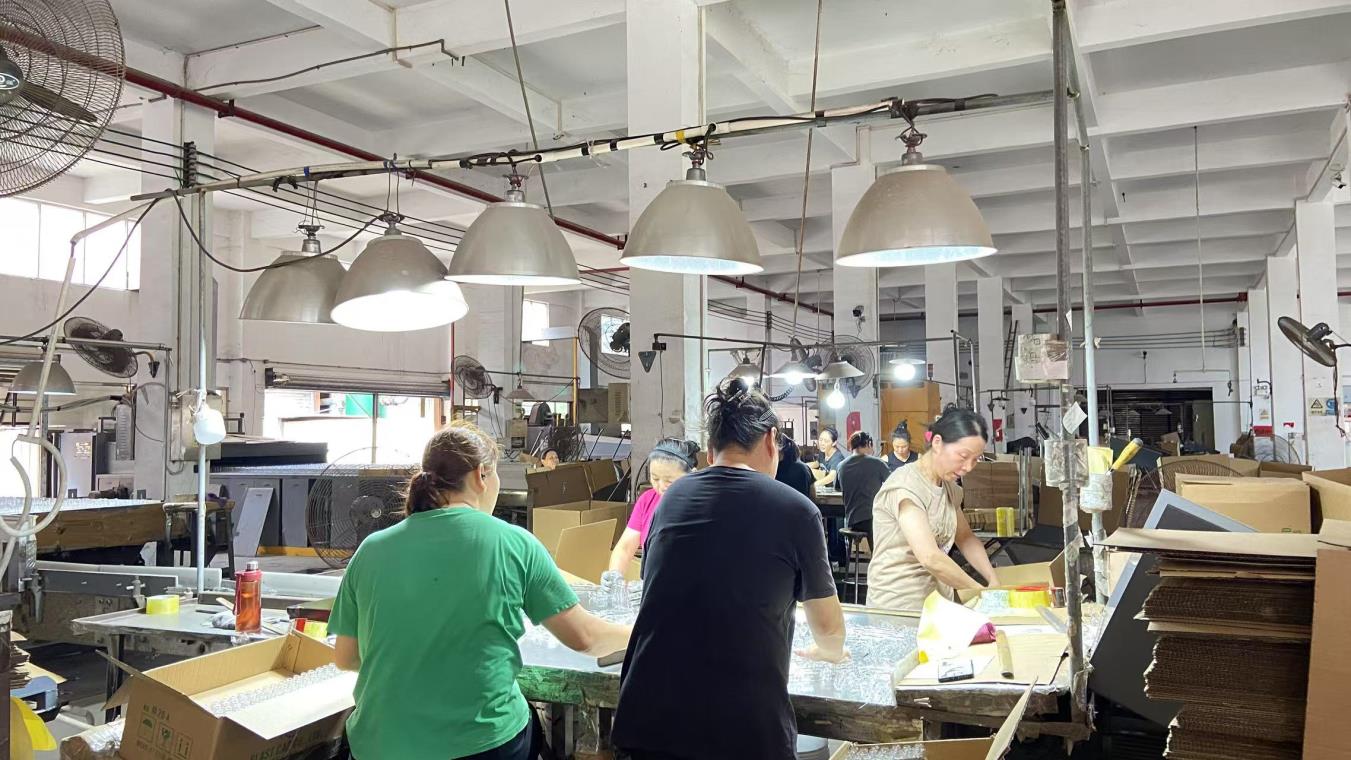
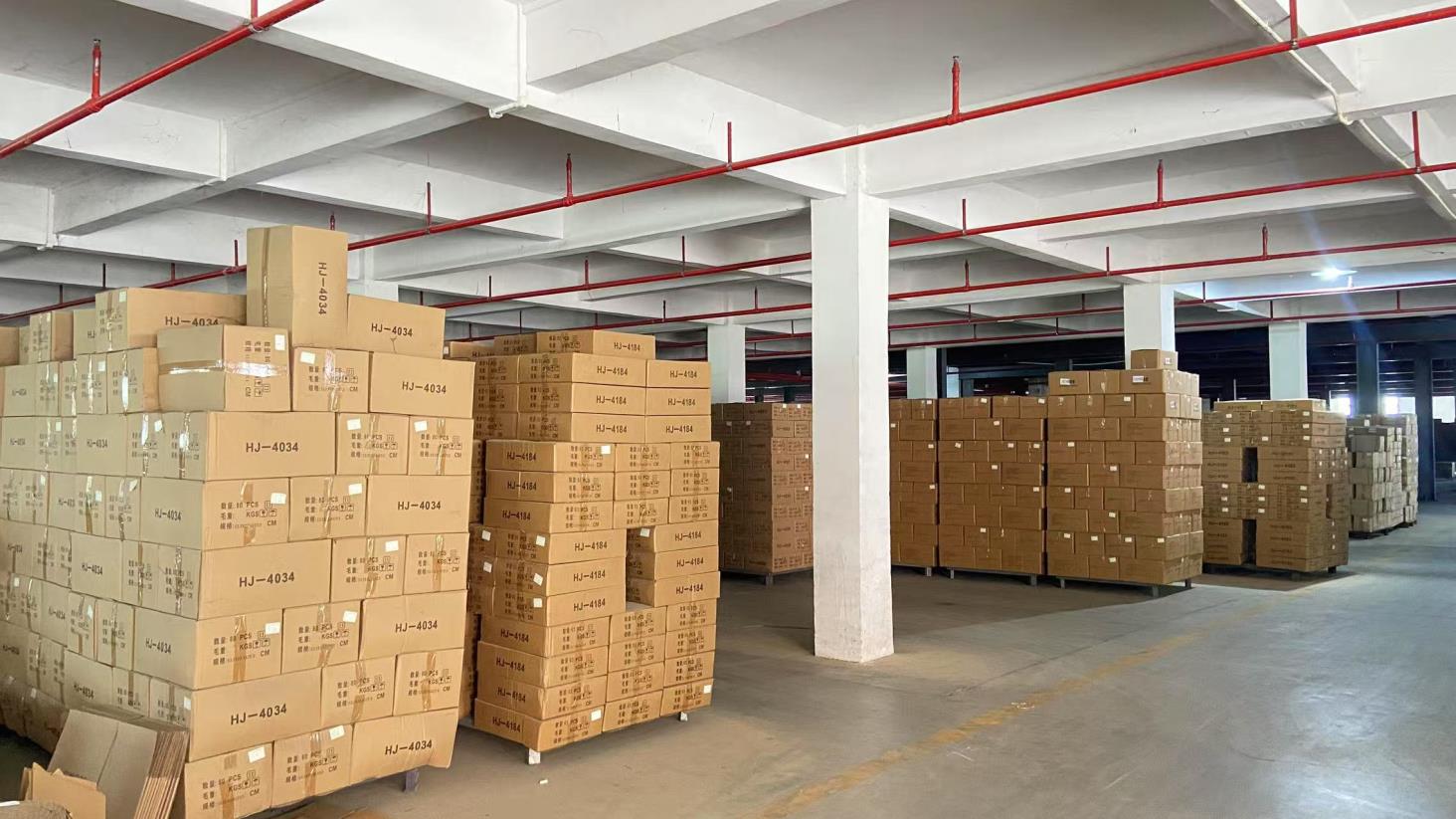
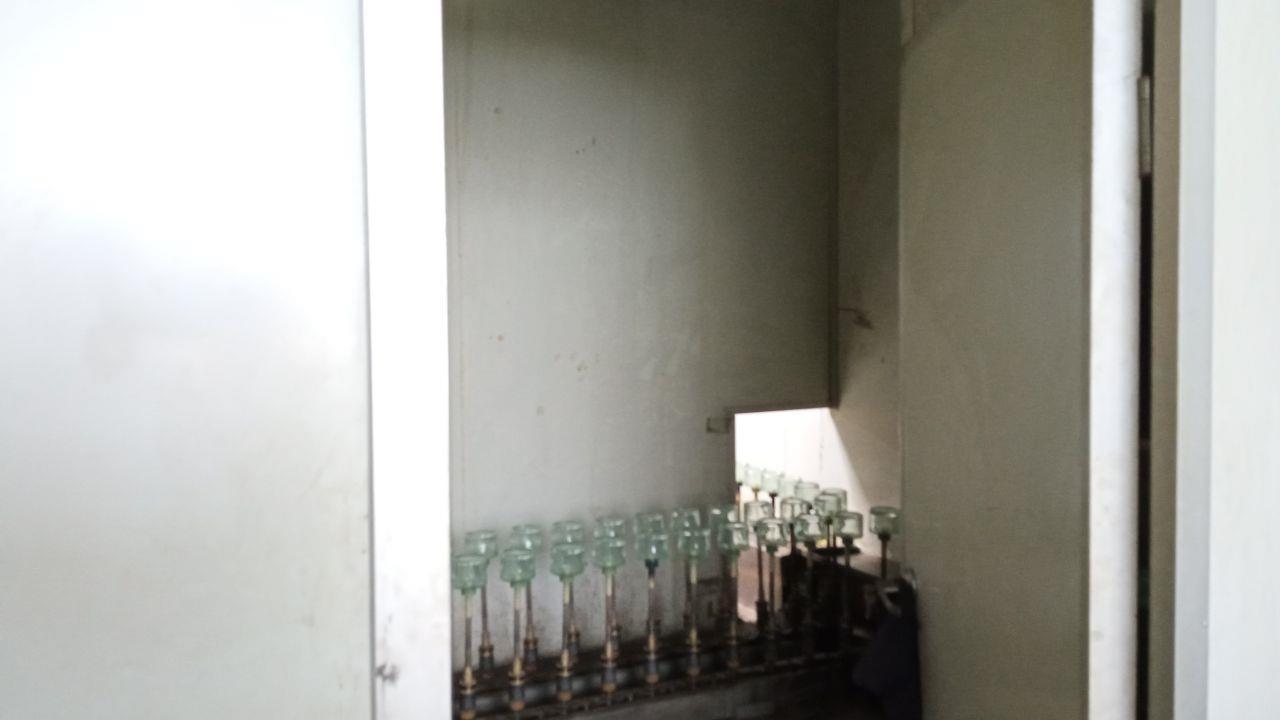
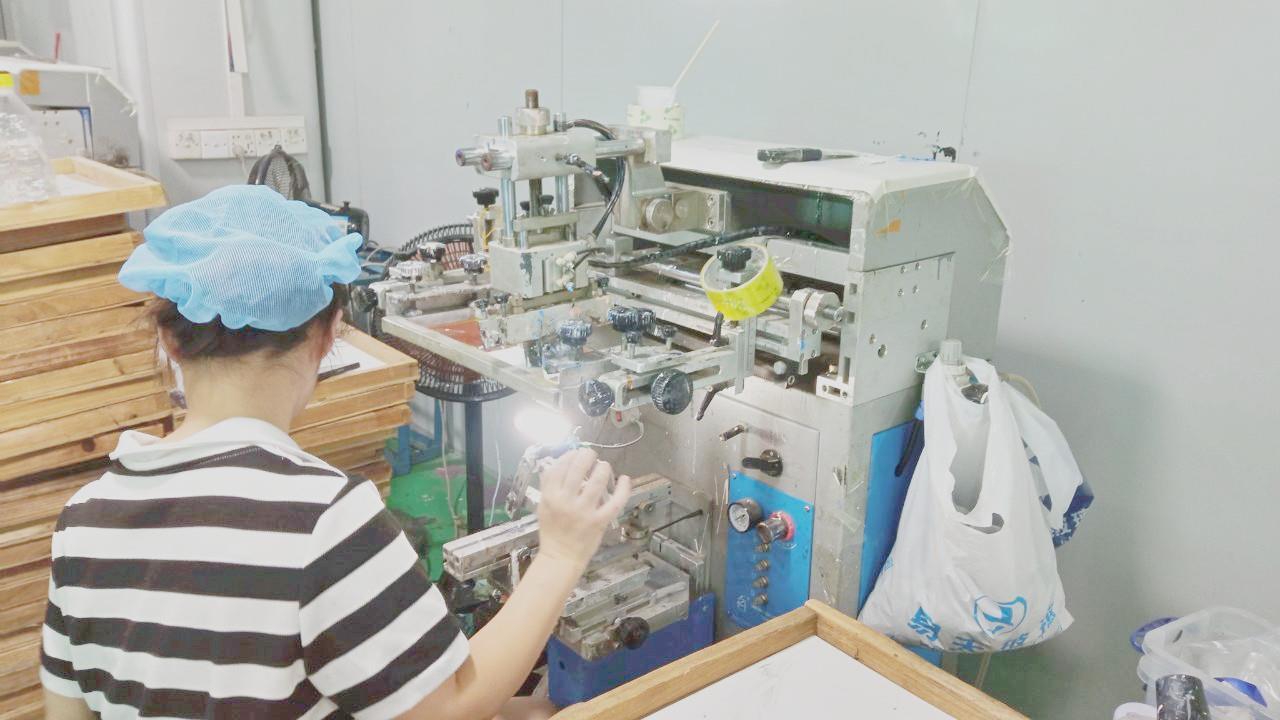
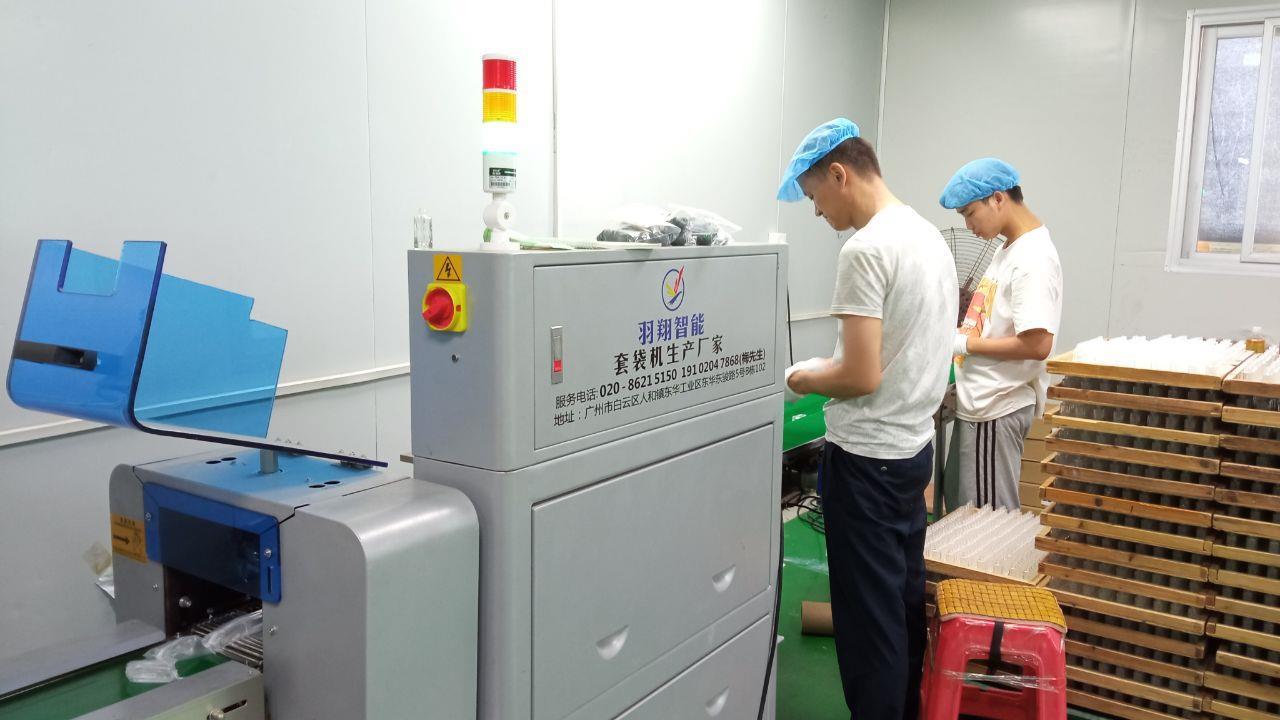
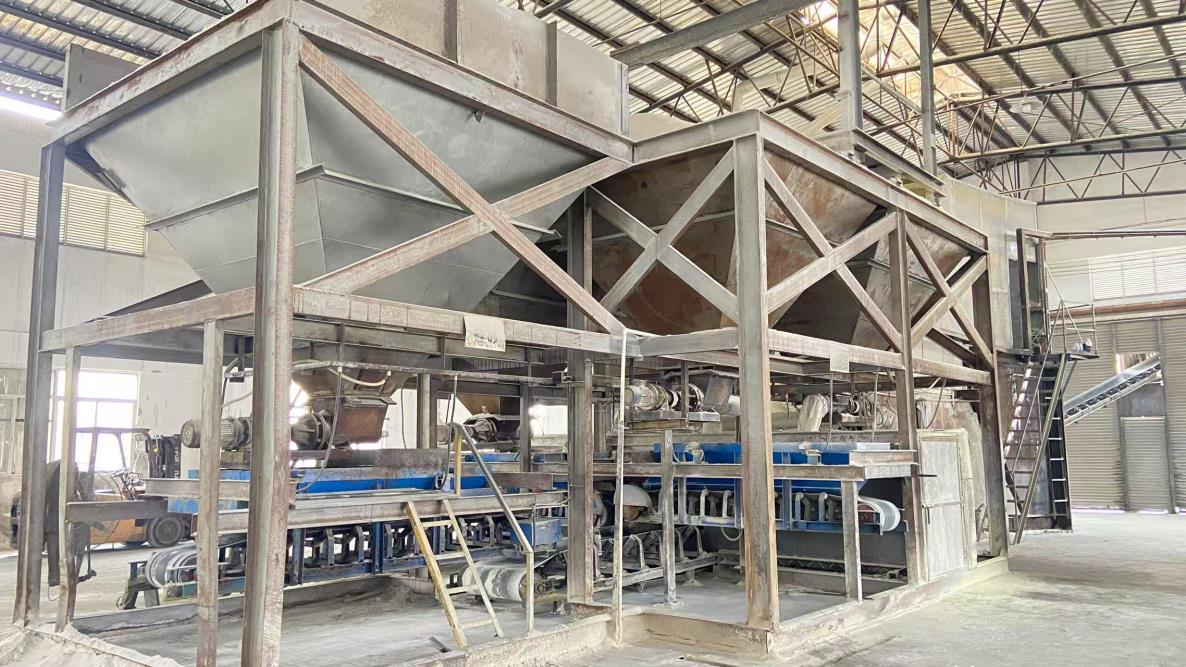
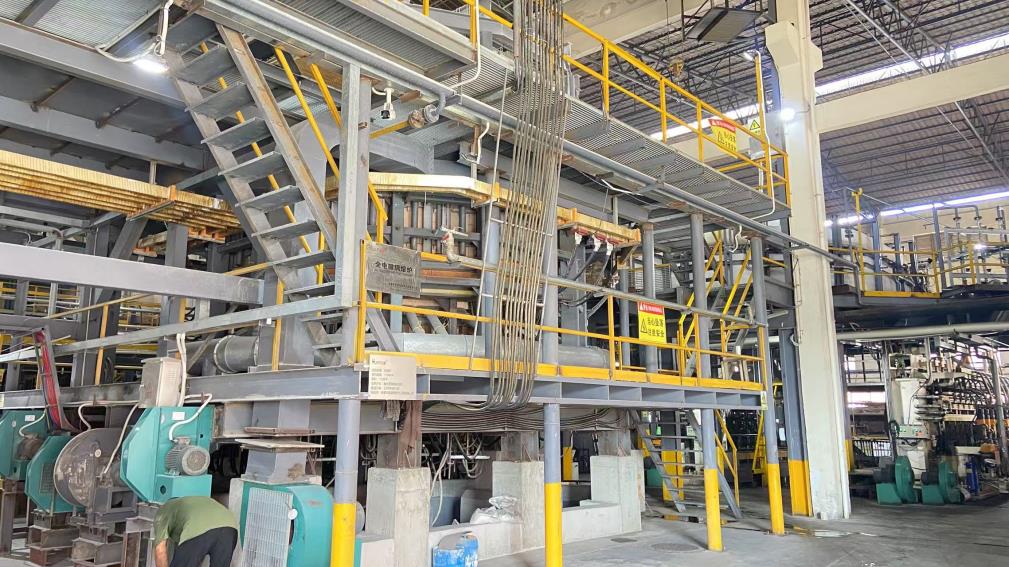
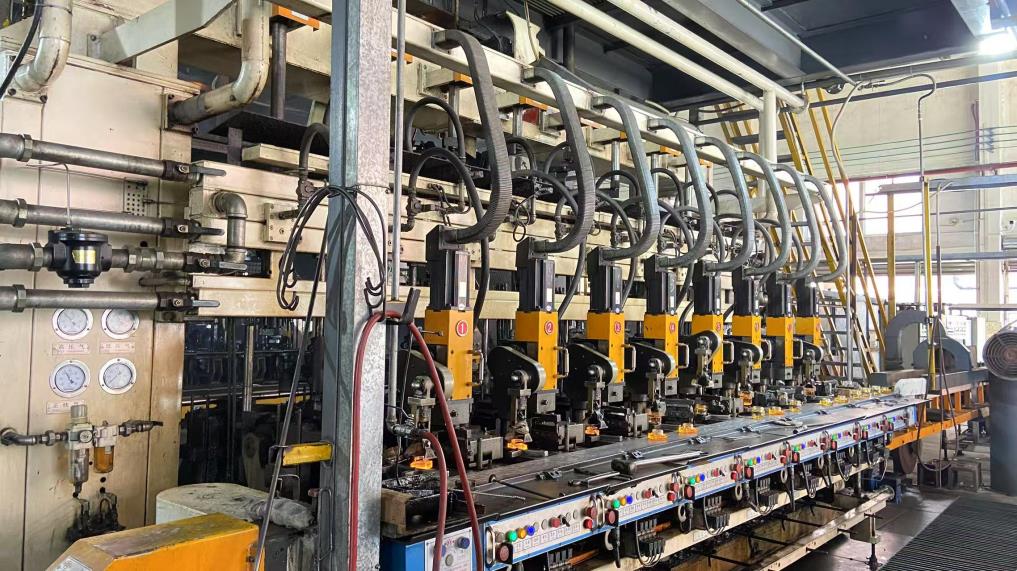
Standardized GMP Cosmetic Production Line & Facility
A transparent, end-to-end overview of our industrial cosmetics manufacturing processes, showcasing how raw ingredients are transformed into retail-ready global products under strict sanitary and quality guidelines.
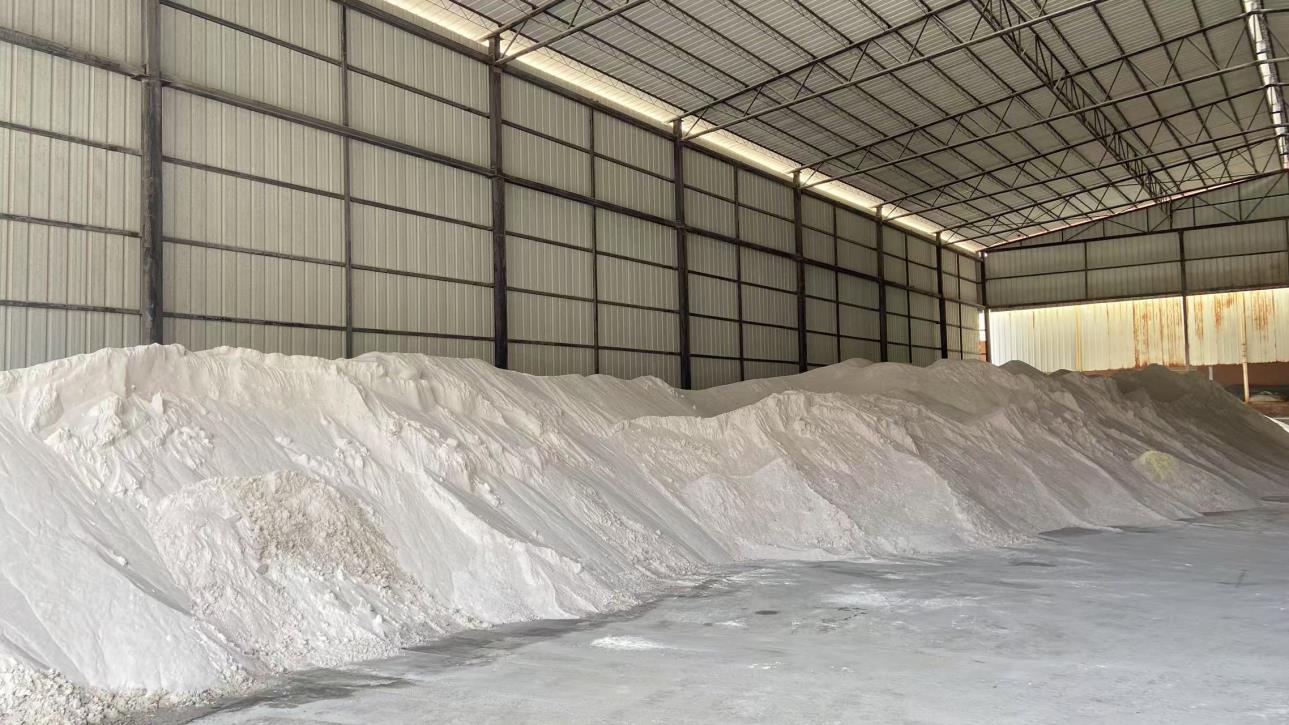
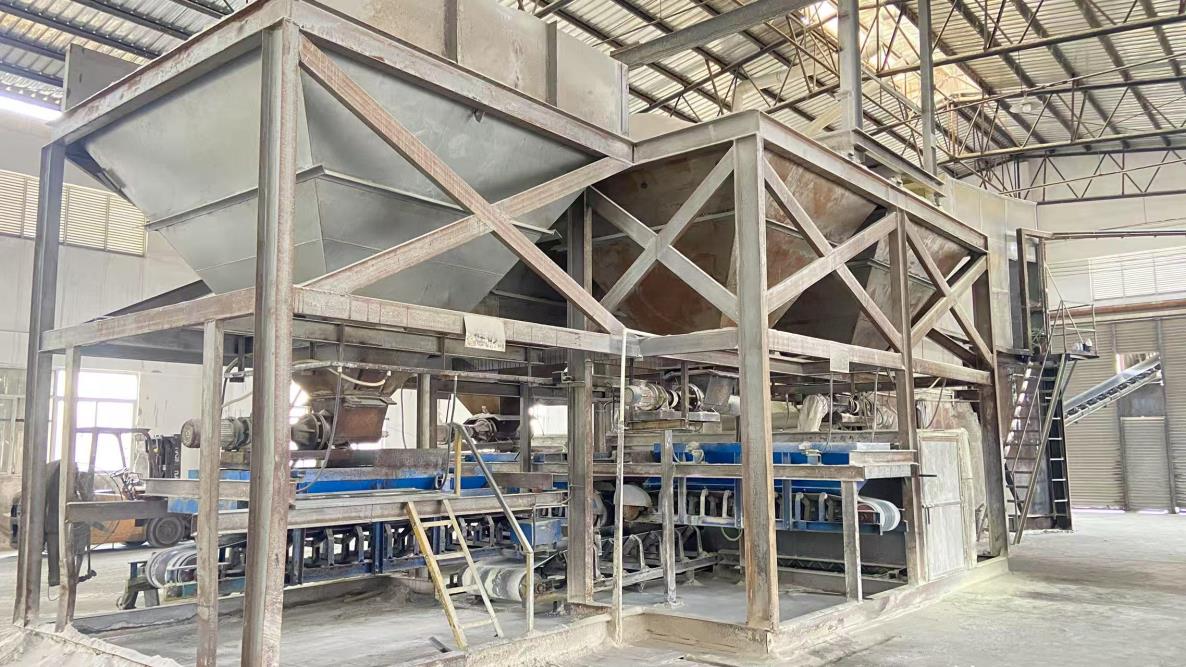

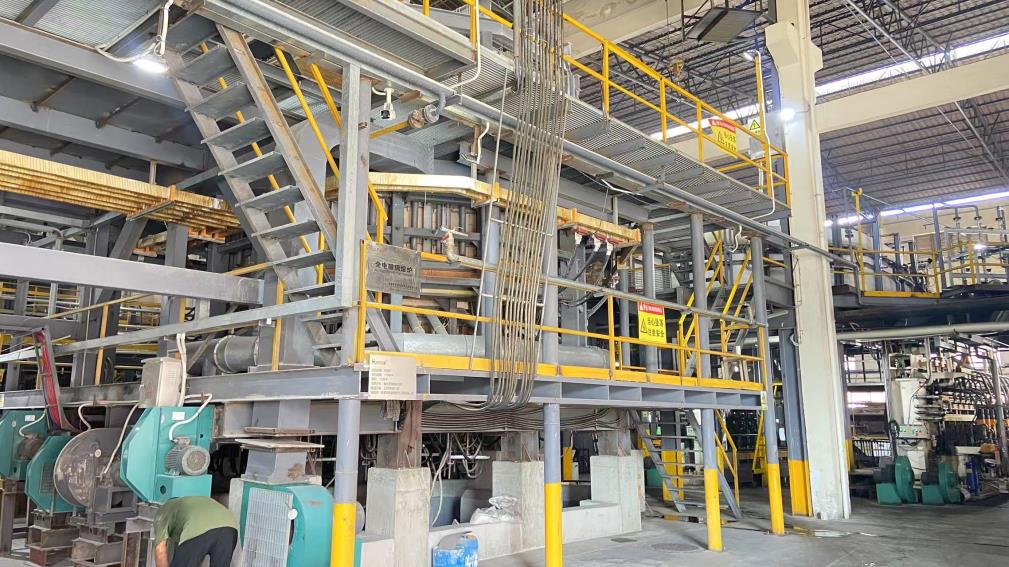
Global Trends Transforming Translucent Powder Formulations
As the makeup landscape moves toward complex skin-makeup fusion products, the specifications for finishing powders have become more stringent. Global brands sourcing from Chinese factories must recognize the critical trends shaping the current development cycle.
Clean Beauty & Talc-Free Bases
Talc-free is no longer a niche request; it is a global market standard. Major cosmetics brands are phasing out talc to eliminate risk of asbestos contamination and satisfy clean beauty retail guidelines (e.g., Sephora Clean). Chinese factories now utilize ultra-fine modified corn starch, tapioca, and premium synthetic fluorphlogopite as replacement mineral bases that deliver comparable slip and opacity.
Inclusive & Adaptable Shading
Traditional "translucent" powders often leave a white, chalky, or ashy cast on deeper skin tones, a major issue under flash photography (known as flashback). Modern B2B sourcing focuses on semi-translucent formulations with micro-pigments and yellow, peach, or warm-brown undertones, ensuring the powder disappears seamlessly on all Fitzpatrick skin types.
Active-Infused Skincare Powders
The boundary between makeup and skincare continues to blur. Translucent powders are now expected to offer protective and nourishing properties. Formulators are successfully suspending active ingredients like Hyaluronic Acid, Vitamin E, Squalane, and Niacinamide within the dry powder matrix, allowing dry-skin users to wear setting powders comfortably.
Sourcing Strategies for Global Brands & Procurement Managers
Procuring cosmetic powders internationally requires strict adherence to localized application environments and regional safety compliance structures. Understanding these variables ensures that bulk shipments align with target market demands.
Climate & Regional Customization
Humid Climates (e.g., Southeast Asia, Latin America): Powders destined for tropical regions require higher ratios of oil-absorbing minerals such as silica and calcium carbonate. Formulations must undergo sebum resistance testing to prevent the product from breaking down or clumping when mixed with sweat.
Temperate/Dry Climates (e.g., Northern Europe, North America): Formulas need surface-treated pigments (e.g., lecithin or amino acid coatings) that retain moisture and maintain skin elasticity, preventing dry patches.
Regulatory Compliance & Certifications
Different markets mandate unique chemical limits. When sourcing from Zhejiang Bareen Beauty or other factories in China, verify the following:
- US FDA: Verification of colorants (D&C dyes) and heavy metal limits (Lead < 20ppm, Arsenic < 3ppm).
- EU REACH: Compliance with chemical restrictions and cosmetic registration portals (CPNP).
- Cruelty-Free / Vegan: Elimination of animal-derived binders or processing agents, and documentation verifying no animal testing was conducted.
Frequently Asked Questions (FAQ)
Get authoritative answers to the most common queries regarding translucent powder sourcing, formulation options, factory capabilities, and production logistics.