7 Best Ways to Prevent Concealer from Creasing Under Eyes?

Time:2026-10-10 Author:Amelia
0%

Creased concealer can turn a smooth under-eye look into fine lines by midday. The problem often appears near the inner corners, where blinking and facial movement are constant. Dry skin, excess product, and heavy powder can all make creasing more noticeable. Even experienced makeup users sometimes apply more concealer when the first layer settles. That usually makes the texture worse.

This guide explains how to prevent concealer from creasing under eyes through seven practical techniques. The process begins with gentle skin preparation, not a thicker layer of makeup. A lightweight moisturizer can soften flaky areas, while a short waiting period helps skincare absorb. Then, use a small amount of concealer and press it into the skin with a damp sponge or fingertip. Less product often creates a cleaner finish.

Small details matter.

Before setting the area, look closely in natural light. Remove any concealer gathered inside the lines, because powder can lock it in place. A finely milled setting powder may help, but too much can emphasize dryness and texture. Different formulas behave differently, so testing one eye first is sensible. Skin can change with weather, sleep, age, and hydration, meaning one routine may not work every day. These methods are not a promise of perfectly crease-free makeup. However, they can reduce movement, buildup, and visible settling while keeping the under-eye area comfortable and natural.
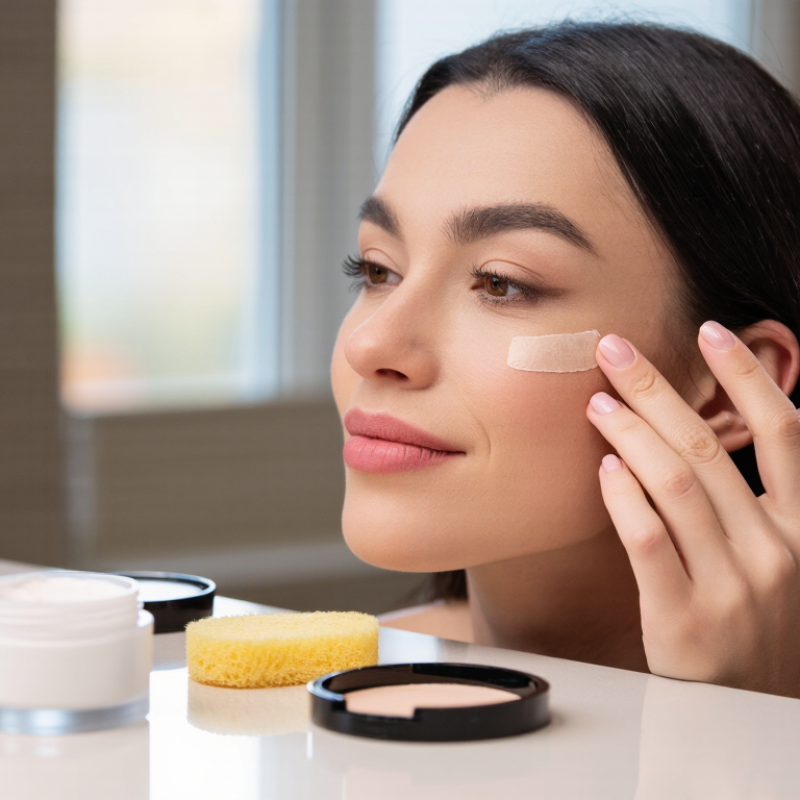
7 Best Ways to Prevent Concealer from Creasing Under Eyes?

Prepare the Under-Eye Area Before Applying Concealer

Preparing the under-eye area is the quiet step that often decides whether concealer stays smooth. I begin with clean, dry skin and remove leftover skincare or makeup from the inner corners. Even a thin oily film can make concealer slide into fine lines. Use a soft cotton pad and gentle pressure, never rubbing the delicate skin.

Apply a small amount of lightweight eye moisturizer with your ring finger. Warm it between your fingers, then tap it along the orbital bone and beneath the lower lashes. Avoid placing a thick layer directly into deep creases. It may feel comfortable at first, but excess moisture can weaken concealer’s hold. Wait two to five minutes. This matters.

If the area still looks shiny, press it gently with tissue before applying makeup. If it feels tight, add a tiny amount of moisturizer instead of layering more concealer. Skin changes from day to day, so the same routine may not work every morning. I once used too much cream before a long event, and the concealer separated within an hour. That mistake taught me to prepare less, then adjust. For sensitive eyes, choose fragrance-free products and stop if stinging or redness appears. Hydrated skin helps, but it cannot erase natural lines or prevent every crease.

7 Best Ways to Prevent Concealer from Creasing Under Eyes? - Prepare the Under-Eye Area Before Applying Concealer

Step Preparation Method When to Use It How to Apply How It Helps Prevent Creasing Important Note
1 Gently cleanse the under-eye area Before skincare and makeup Use a mild, fragrance-free cleanser or lukewarm water, then pat dry without rubbing. Removes oil, skincare residue, and loose flakes that can cause concealer to move or gather in fine lines. Avoid scrubbing because the skin around the eyes is thin and sensitive.
2 Apply a lightweight moisturizer After cleansing, before concealer Use a small amount and press it gently over the orbital area rather than applying a thick layer directly on the lash line. Hydrated skin is less likely to look dry and textured, helping concealer sit more evenly. Choose a formula that absorbs well and does not leave a greasy film.
3 Allow skincare to absorb Before applying primer or concealer Wait until the under-eye area feels comfortable and no longer looks wet or slippery; gently blot excess product if needed. Reduces product movement and prevents concealer from mixing with excess moisturizer. Applying makeup over damp skincare can make creasing more noticeable.
4 Use a thin, smoothing eye primer When makeup tends to slip or crease quickly Apply a very thin layer only where concealer will be placed, then let it set briefly. Creates a more even surface and can improve the grip and longevity of makeup. Too much primer may add texture or cause pilling, so use less rather than more.
5 Choose a flexible, hydrating concealer texture When selecting or replacing concealer Apply a small amount to the darkest areas and blend outward with a damp sponge, brush, or fingertip. A thin, flexible layer is less likely to become heavy and collect in expression lines. High-coverage formulas often need less product; layering too much can increase creasing.
6 Blend in thin layers During concealer application Start with a small dot, tap to blend, and add only where additional coverage is necessary. Keeps the amount of makeup inside fine lines to a minimum while maintaining targeted coverage. Rubbing can remove skincare and create uneven coverage; tapping is gentler.
7 Set selectively with a small amount of powder After concealer has been blended First tap away any visible creases, then press a minimal amount of finely milled powder onto areas that crease or become oily. Helps reduce movement and keeps concealer from transferring during wear. Heavy powder can emphasize dryness and fine lines, so avoid baking under the eyes.

Best practice: Before setting the makeup, look upward and gently tap away any concealer that has settled into fine lines. This simple step helps create a smoother finish without adding more product.

Choose a Lightweight Concealer for Your Skin Type

A lightweight concealer can make the under-eye area look smoother, but “lightweight” should match your skin type. Dry skin usually needs a thin, flexible formula with moisturizing ingredients. Avoid overly matte textures, which may cling to tiny flakes and emphasize fine lines. Normal skin can handle a natural-finish concealer that feels comfortable without becoming greasy.

Oily skin needs careful balance. Choose a lightweight, long-wearing formula that sets softly instead of drying into a hard layer. If your under-eyes become shiny, use a very small amount of finely milled powder. Too much powder often causes creasing. Less is more.

Mature skin may prefer a creamy, buildable texture rather than a thick, full-coverage product. Heavy layers settle quickly when facial expressions move.

I used to apply concealer across the entire under-eye, then wondered why it folded into lines. A better method is placing a small dot near the inner corner and another where darkness is strongest. Tap gently with a clean fingertip or damp sponge. Do not drag the skin. Wait a few seconds, then remove any excess from the crease before setting it lightly.

It happens. A lightweight formula may still crease if the eye area is oily, dehydrated, or overloaded with skincare. Test the texture for several hours, preferably in natural light, because comfort and wear matter more than a perfect first impression.

Apply Thin Layers and Blend Product Evenly

Concealer often creases when too much product settles into fine lines. The most reliable approach is applying thin layers and blending each layer evenly. Begin with clean, moisturized skin. Let the eye cream absorb for a few minutes. A damp sponge or small, flexible brush can soften excess moisture without dragging the delicate skin.

Use less than a pea-sized amount for both eyes. Place tiny dots only where darkness or redness appears. Then tap outward with your ring finger or sponge. Avoid sweeping motions, which can move product into the creases. Build coverage slowly. One light layer usually looks more natural than one thick layer.

Wait briefly before adding more. Check the area while looking straight ahead, because creasing often appears after facial movement. If product gathers under the lower lashes, remove it with a clean cotton swab before setting. Press a very small amount of finely milled powder onto the concealed area. Do not brush back and forth.

I once applied extra concealer to hide tiredness, but it made the texture more visible. That mistake changed my routine. Thin coverage may leave a little skin showing, and that is not necessarily a flaw. Skin has texture. Heavy powder can also make dryness look sharper, especially in cold weather. Adjust the amount according to your skin’s condition that day.

7 Best Ways to Prevent Concealer from Creasing Under Eyes

These seven practices are arranged in a practical application sequence. The bars represent routine order, not measured product effectiveness: apply thin layers, blend evenly, and use minimal setting powder to reduce buildup in fine lines.

Set Concealer Strategically to Prevent Creasing

Set Concealer Strategically to Prevent Creasing

Under-eye creasing usually begins with excess product, not a lack of coverage. Apply a light moisturizer, then wait two minutes. The skin should feel smooth, not slippery. The American Academy of Dermatology recommends moisturizing after cleansing, which supports a more even makeup base.

Use a tiny amount of concealer only where darkness appears. Place it near the inner corner, along the shadow beside the nose, and beneath the deepest hollow. Leave the fine lines mostly bare. Blend outward with a damp sponge or ring finger. Your body heat helps soften the edges. Less product moves less.

Give the concealer 30 seconds to settle. Then look upward and gently tap away any lines that have formed. Press a small, fluffy brush into finely milled setting powder. Keep powder near the inner corner and lower lash line, rather than coating the entire under-eye. Circana’s 2024 U.S. Prestige Beauty report recorded continued growth in complexion makeup, showing how important polished coverage remains to consumers. Still, more coverage does not guarantee better wear. I often use too much powder, especially under bright lights. That mistake can emphasize texture. For dry skin, a light touch may work better than a fully matte finish. Check the area after an hour, because real creasing appears through blinking, warmth, and facial movement.

Refresh and Maintain the Under-Eye Makeup Throughout the Day

7 Best Ways to Prevent Concealer from Creasing Under Eyes?

Under-eye makeup changes as skin produces oil, moisture, and tiny expression lines. I refresh mine instead of adding more concealer. Heavy layers usually gather in the same creases. After applying a thin layer, I wait several minutes, then gently remove excess with a clean fingertip. A small amount of finely milled setting powder can help, but too much may emphasize dryness. Keep the finish flexible.

Tips: Carry a small mirror and check your under-eyes in natural light. If creasing appears, press the area with a clean tissue or cotton swab. Do not rub. Then smooth the remaining product with your ring finger. Add only a pin-sized amount of concealer when coverage fades. A damp sponge can soften a patchy edge, though it may remove makeup faster than expected. Clean tools regularly to reduce irritation and uneven texture.

Midday maintenance works best when it is gentle and specific. I often notice more creasing after outdoor heat or long screen time, so I check every few hours. Hydrating eye products may support comfort, but they should absorb before makeup. No method works perfectly. Some lines will return naturally when you smile. The goal is a fresh appearance, not motionless skin. If the area feels tight, flaky, or irritated, stop layering and let the skin rest.

FAQS

How should I prepare the under-eye area before applying concealer?

Start with clean, dry skin. Remove leftover cream or makeup from the inner corners. Apply a small amount of lightweight moisturizer along the orbital bone. Wait two to five minutes before applying concealer.

How much moisturizer should I use under my eyes?

Use only a tiny amount. Warm it between your fingers, then tap gently beneath the lower lashes. The skin should feel smooth, not slippery. Too much moisture can make concealer slide.

What should I do if my under-eye area looks shiny?

Press the area gently with tissue. Do not rub the skin. A thin layer of moisture is enough. I sometimes use too much cream, then regret it later.

How much concealer is enough for both eyes?

Use less than a pea-sized amount for both eyes. Place small dots only over darkness or redness. Thin coverage usually looks more natural. Some skin may remain visible.

What is the best way to blend under-eye concealer?

Tap outward with a ring finger, damp sponge, or flexible brush. Avoid sweeping motions. Tapping keeps product from moving into fine lines. Blend slowly.

Why does under-eye concealer crease after application?

Creasing often comes from excess product. Thick layers settle into fine lines during blinking and facial movement. Wait briefly before adding more. Look straight ahead and check the result.

How should I set concealer with powder?

Let the concealer settle for about 30 seconds. Tap away gathered product with a clean cotton swab. Press a tiny amount of finely milled powder near the inner corner and lower lash line. Avoid brushing back and forth.

Should I cover every fine line with concealer?

No. Leave most fine lines lightly covered or bare. Heavy product can make texture more obvious. Natural lines cannot be erased completely. I still over-apply sometimes under bright lights.

How should the routine change for dry or sensitive skin?

Use less powder when the skin feels dry. Add a tiny amount of moisturizer if tightness appears. Choose fragrance-free products for sensitive eyes. Stop if stinging or redness develops. Check the area again after one hour.

Conclusion

Learning how to prevent concealer from creasing under eyes starts with proper preparation. Gently cleanse and moisturize the under-eye area, then allow skincare to absorb fully before applying makeup. Choose a lightweight concealer that suits your skin type, since thick or overly dry formulas can settle into fine lines. Apply a small amount in thin layers, focusing coverage only where needed, and blend evenly with a soft brush or sponge. Avoid applying too much product, as excess concealer is more likely to crease throughout the day.

To improve wear, set the concealer strategically with a small amount of finely milled setting powder, concentrating on areas that crease most while keeping the finish natural. Throughout the day, check the under-eye area and gently smooth away any gathered product before lightly touching up. With careful preparation, controlled application, suitable texture, and occasional maintenance, your concealer can look smoother, fresher, and more comfortable for longer.

Amelia

Amelia

Amelia is a seasoned marketing professional with a wealth of expertise in our company’s core offerings. With an unwavering passion for driving growth and innovation, she plays a pivotal role in shaping our marketing strategies and enhancing brand visibility. A key aspect of her responsibilities......