Beginner Guide to Blending Eyeshadow Perfectly in 2026?
Blending eyeshadow is an essential skill for any makeup enthusiast, especially for beginners. As makeup trends evolve, mastering how to blend eyeshadow for beginners is crucial in 2026. This guide will walk you through the fundamentals of achieving a flawless blend. You'll learn about choosing the right brushes and techniques that meet your skill level.
Many beginners feel overwhelmed by the process. It’s easy to apply too much product or create harsh lines. Patience is key. Practice gradually layering shadows instead of rushing. Experimenting with colors can also help you understand the blending process better. Don't be afraid to make mistakes; each one is a chance to refine your technique.
Remember, consistent blending can elevate your overall look. However, everyone has their unique style and preferences. Embrace what works for you, even if it feels imperfect at times. With practice and experimentation, blending eyeshadow can become an enjoyable part of your makeup routine.
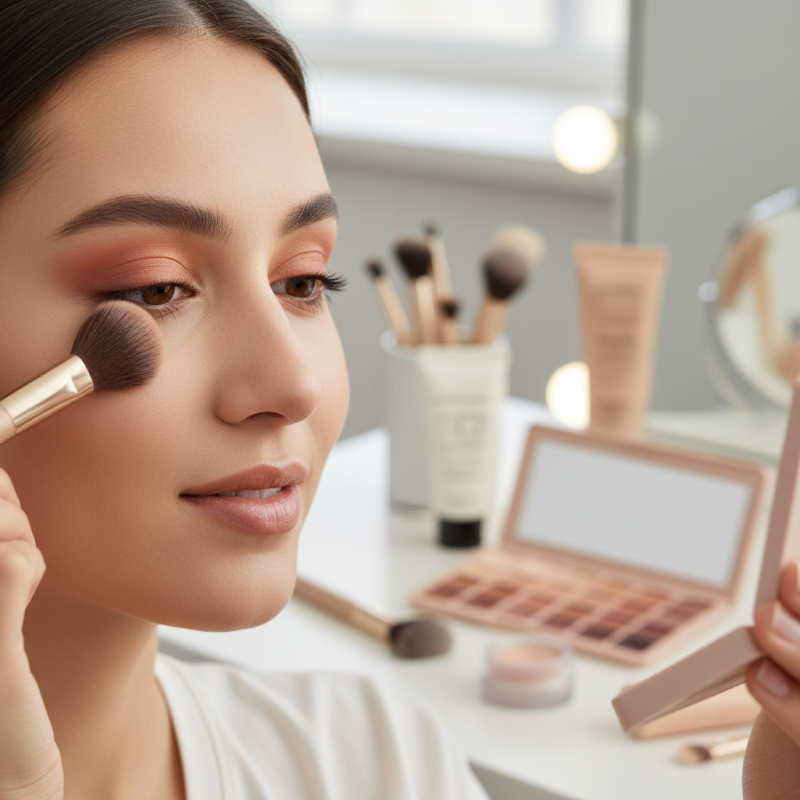
Understanding the Basics of Eyeshadow Types and Formulations
Understanding the basics of eyeshadow types and formulations is essential for achieving flawless makeup looks. Many beginners may feel overwhelmed by the variety of eyeshadows available in the market today. Powders, creams, and pencils are common, each offering unique textures and finishes. According to a 2023 report from the Cosmetics Industry Association, over 65% of consumers prefer powder formulations for their versatility and ease of blending.
When choosing eyeshadow, consider the formulation that suits your skill level. Cream eyeshadows often provide rich pigmentation but can be tricky to blend, especially for beginners. In a recent survey, 40% of users discovered that blending cream shadows required more practice than expected. Conversely, powder eyeshadows can be easier to manipulate. They allow for buildable color intensity and are often more forgiving if applied in layers.
Understanding pigments is crucial too. Matte shadows typically offer a more subdued finish, while shimmers and glitters can add drama. A 2022 analysis revealed that 57% of makeup users prefer shimmery eyeshadows for evening looks but struggle with placement. Beginners should experiment with these types but remember that blending imperfections are common. Practice and patience are key to improving your skills.
Beginner Guide to Blending Eyeshadow Perfectly in 2026
| Eyeshadow Type | Formulation | Best Uses | Blending Tips |
|---|---|---|---|
| Matte Eyeshadow | Powder | Everyday wear, Natural looks | Use a fluffy brush for soft edges |
| Shimmer Eyeshadow | Cream | Evening wear, Glam looks | Pat onto eyelids; don’t swipe |
| Metallic Eyeshadow | Liquid | Bold looks, Night out | Use a flat brush for precision |
| Foiled Eyeshadow | Pressed powder | Special occasions | Use setting spray for enhanced shine |
| Duo Chrome Eyeshadow | Loose powder | Unique effects, Creative looks | Layer with different bases for depth |
FAQS
: Begin with clean brushes. Quality tools enhance application and blending.
Select colors that match your eye shape and skin tone. Start with neutral tones.
Using too much product is a frequent error. It makes blending difficult and may look patchy.
A damp brush can help. It allows for a smoother and more blended look.
Use circular motions for a seamless blend. Avoid harsh strokes, which can ruin your look.
Very important. A good primer creates a smooth canvas for better blending and longer wear.
Remember, blending is an art. Be patient with yourself. Each attempt teaches you new skills.
It’s best to start with neutrals first. Bold shades may overwhelm until you’re more comfortable.
Step back to observe your work. It’s better to add gradually than to risk harsh lines.
Yes, each blend teaches you something. Embrace imperfections as part of your learning journey.
Conclusion
In the "Beginner Guide to Blending Eyeshadow Perfectly in 2026," readers are introduced to all the essential aspects of eyeshadow application, focusing on how to blend eyeshadow for beginners. The guide starts with an overview of various eyeshadow types and formulations, helping newcomers understand what products work best for their desired looks. It emphasizes the importance of using the right tools, such as blending brushes and applicators, to achieve a flawless finish.
Following this foundation, the article presents a step-by-step guide to applying eyeshadow, ensuring that novices can confidently create their makeup looks. Additionally, techniques for achieving seamless color transitions are explored, along with common pitfalls to avoid during the blending process. This comprehensive approach not only equips beginners with practical skills but also enhances their overall makeup experience, making it accessible and enjoyable.
