Soft edges can make eyeshadow look polished, while harsh lines may distract from the color. Learning how to blend eyeshadow for beginners starts with a few simple tools: a clean, fluffy brush, two complementary shades, and a mirror in natural light. Makeup artist Bobbi Brown has said, “The best thing is to look natural, but it takes makeup to look natural.” That idea fits blending well: the goal is not to erase every color, but to soften transitions so the shades work together.
For this 2026 beginner guide, we’ll focus on practical steps you can repeat at home. Tap a small amount of shadow onto the brush, then use light, short strokes along the edge of the color. Picture brushing the rim of a watercolor wash, not scrubbing a stain from fabric. Add pigment gradually. A clean brush can soften the boundary without muddying the lid.
Small details matter. Use a matte transition shade slightly above the crease, and keep shimmer closer to the lid. If the color disappears, add a little more; if it spreads too far, pause and clean the brush. That part takes practice. I still find it easy to overblend when I rush, so check both eyes from a little distance. The guide will also cover brush pressure, shade placement, and common fixes, helping you build a routine that feels clear, gentle, and forgiving.
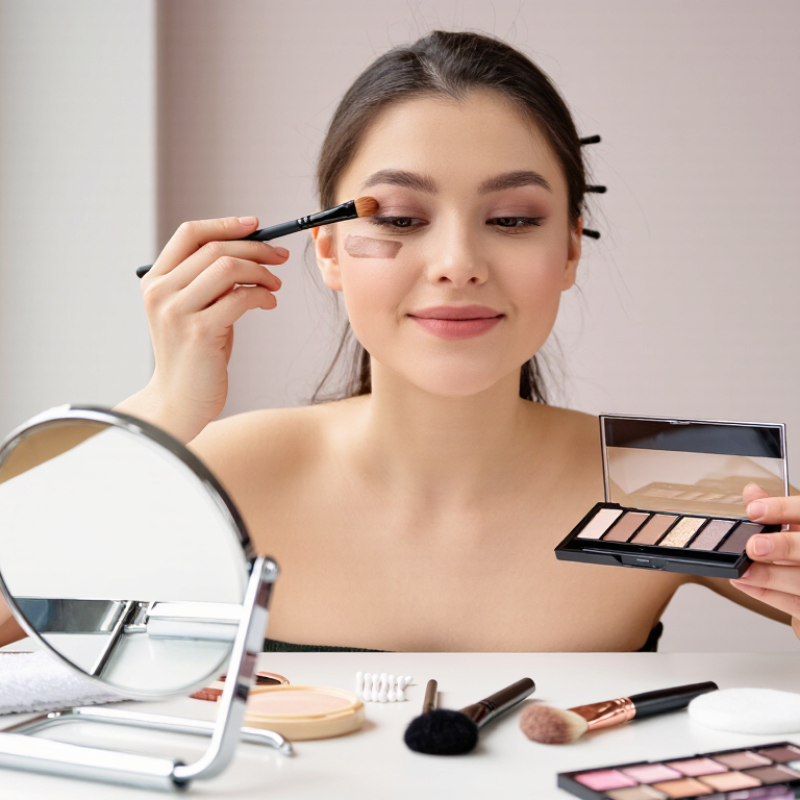
What Eyeshadow Blending Means and Which Tools Beginners Need
How to Blend Eyeshadow for Beginners 2026 Top Tips?
Eyeshadow blending means softening the edges where colors meet, not rubbing every shade together. The goal is a gradual transition, with no obvious stripes. Start with a light layer in the crease, then add darker color near the outer corner. Keep your hand relaxed. Small circles work. A windshield-wiper motion can soften the crease, while short taps add color without spreading it too far. Even careful work can look uneven in a close-up mirror; step back and check both eyes in natural light.
Beginners can start with a soft, fluffy brush for blending, a smaller tapered brush for detail, and a flat brush for placing color. A clean brush helps soften edges without adding more pigment. Circana reported that U.S. prestige makeup sales rose 9% in 2023, reaching $11.7 billion. That market figure shows makeup’s commercial scale, not which tools work best; brush choice still depends on eye shape, formula, and comfort. Wash brushes regularly and let them dry fully.
Tips: Tap excess powder off before applying. Use light pressure, then build color slowly. If a patch looks muddy, pause and use a clean brush rather than adding more shade. Start with two colors, not five. A slightly imperfect blend is normal; chasing perfect symmetry can make both lids look heavier.
How to Prepare Your Eyelids for Smooth Color
Smooth eyeshadow starts with clean, dry eyelids. Remove leftover makeup gently, then let the skin dry fully. A damp lid can make powder skip or gather in creases. If your eyelids feel tight, use a small amount of lightweight moisturizer and wait a few minutes. Keep it away from the lash line. Too much cream can leave the surface slippery.
Use a thin layer of eyeshadow primer, spread from lash line to crease with a clean fingertip or brush. Give it a short moment to settle. If you do not have primer, a tiny amount of concealer may work, but it can crease on some skin types. Less is often easier to blend. If the lid still feels tacky, lightly press on a little translucent powder; too much can make color look faint. Try the routine on one eye first and compare. It may take a few tries to find the right amount. Stop if a product stings or causes redness, and avoid applying makeup to irritated skin.
How to Blend Eyeshadow for Beginners 2026 Top Tips? – How to Prepare Your Eyelids for Smooth Color
| Preparation Step |
What to Do |
Why It Helps |
Beginner Tip |
| Clean the eyelids |
Gently remove makeup, oil, and residue with a cleanser suitable for the eye area. Pat dry instead of rubbing. |
A clean, dry surface helps eyeshadow apply more evenly and reduces slipping. |
Keep cleanser out of the eyes. If the skin feels irritated, rinse with clean water and stop using the product. |
| Use moisturizer sparingly |
If your eyelids feel dry, apply a small amount of lightweight, eye-area-safe moisturizer and let it absorb fully. |
Comfortable skin can make makeup easier to apply, while excess moisture may cause powder to gather or crease. |
Wait until the eyelid feels dry to the touch before applying primer or shadow. |
| Apply an eyeshadow primer |
Smooth a thin, even layer over the lid and blend the edges. Follow the product directions and allow it to set. |
Primer can provide a more even base and help eyeshadow adhere; wear time varies by skin type and product. |
Start with a small amount. Too much product may feel tacky or make blending harder. |
| Set only if needed |
If the primer remains tacky, lightly dust a small amount of skin-tone powder or matte eyeshadow over it. |
A lightly set base can help powder shadows blend more smoothly, though some primers work best without setting. |
Use a soft brush and a very light hand; a thick powder layer can make color look patchy. |
| Choose a comfortable position |
Sit in good lighting, rest your elbow on a stable surface, and keep a clean blending brush nearby. |
A steady hand and clear view make it easier to place color and soften edges gradually. |
Look slightly downward into a mirror so you can see the lid without stretching the skin. |
| Check product compatibility |
Use products intended for the eye area and check their directions, warnings, and ingredient lists. |
Eye-area products are designed for use near the eyes, but individual sensitivities can still occur. |
Try unfamiliar products on a small area of skin first, away from the eye. Do not use a product that causes discomfort. |
| Keep tools clean |
Use clean brushes and avoid sharing eye makeup or applicators. |
Clean tools help prevent old makeup and residue from affecting application. |
Wash brushes regularly and let them dry completely before use. |
Quick check: Before blending, eyelids should be clean, comfortable, and dry to the touch, with no visible excess skincare or primer.
How to Place Base and Transition Shades
Place a thin base shade across the lid, from lash line to crease. Choose a matte color close to your skin tone. It gives later shades a smoother surface and makes small blending mistakes easier to soften. Use a soft, fluffy brush and tap off loose powder before it touches your eye. Keep the first layer sheer. You can add more; removing a heavy patch is harder. The crease may fold differently on each eye, so look straight ahead when placing color. Perfect symmetry is not the goal.
Choose a transition shade one or two steps deeper than your base. Sweep it through the crease with small windshield-wiper motions, then soften the upper edge using tiny circles. Keep most pigment near the outer half, where depth can define the eye without darkening the whole lid. Pause and check in natural light. If the edge looks harsh, use a clean brush rather than adding more shadow. This takes practice. Circana’s 2023 U.S. prestige beauty report recorded a 9% year-over-year rise in makeup sales; that market figure is context, not proof of any particular technique. Blend patiently, and let the brush do less work than you think.
How to Layer and Blend Deeper Colors
Deeper eyeshadow looks smoother when you build it slowly instead of packing it on at once. Pick up a little color with a fluffy brush and tap off the excess. Press the pigment onto the outer corner and crease, keeping the strongest color close to the lashes. This gives you more control. A sheer first layer is easier to adjust than a dark patch, especially in natural daylight.
Blend the edge with small, light circles, moving slightly above the crease without carrying the color up to the brow. Use a clean brush for this step; leftover pigment can make the whole area look muddy. Less is enough. Add another thin layer only where you want more depth, such as the outer third of the lid. If the color fades too much, gently press it back on rather than scrubbing the brush across your skin.
Pause and look straight ahead before matching the other eye. Eye shapes and creases differ, so identical placement may not look identical when your eyes are open. I still sometimes overblend one side and have to rebuild its outer corner. That’s normal; step back, check the shape, and make small corrections. Take your time.
How to Soften Edges and Check the Finished Look
To soften a shadow edge, use a clean, fluffy brush and small circles along the border. Keep the brush lightly angled, moving from the darker shade toward bare skin. This prevents color from spreading too high. If the edge still looks sharp, add a little of the transition shade, not more dark pigment. Less pressure helps.
Step back from the mirror. Check both eyes in natural light, then look straight ahead; a blend can disappear when your eyes are closed but look uneven when open. Notice the inner and outer corners, too. Tiny circles. No scrubbing. A cotton swab can lift stray powder beneath the eye, though it may also disturb concealer, so use a light touch. I’d recheck after a few minutes; sometimes a “fixed” edge looks too soft once the colors settle.
McKinsey’s 2023 beauty-market analysis projected a $580 billion global beauty market by 2027, with roughly 6% annual growth. Those figures describe the industry, not a blending rule. For beginners, a practical check is simpler: both eyes should look balanced from normal viewing distance, even if they are not perfectly identical.
How to Blend Eyeshadow for Beginners: Soften Edges and Check the Finished Look
Use these suggested blending passes as a gentle starting point, not a strict rule. Work with a clean, fluffy brush and light pressure, then step back and check for harsh edges or uneven color before adding more blending.
Conclusion
This beginner-friendly guide to how to blend eyeshadow for beginners explains the basic tools and techniques for creating a smooth, balanced look. It starts with choosing simple brushes and preparing the eyelids so color applies evenly. A light base shade helps create a clean canvas, while a transition shade adds soft definition and makes it easier to blend colors together.
Next, the guide shows how to build deeper shades gradually, using small amounts of color and gentle motions to avoid harsh patches. It also explains how to soften edges, blend between shades, and check both eyes in natural light for an even finish. With patience and a light touch, beginners can create dimension without losing the softness of the overall look.
