China Top Eye Primer Why Is Eyeshadow Patchy?

Time:2026-10-22 Author:Henry
0%

Why is my eye primer making eyeshadow patchy? This question appears often in professional makeup consultations, especially when a smooth-looking primer creates bald spots, clumps, or uneven color. The problem may not be your eyeshadow. Skin oils, leftover moisturizer, an overly thick primer layer, or incompatible formulas can disturb the base. Even a high-quality China Top Eye Primer may perform poorly when applied over rich eye cream.

Professional makeup artist Wayne Goss has said, “The key is using less product and allowing each layer to settle.” That practical advice matters here. A primer should create a thin, even surface, not a wet film. Apply a rice-grain amount across each eyelid. Then wait briefly. It should feel set, not slippery. Press eyeshadow gently instead of dragging it across the lid.

Small details change the result. Powdery shadows may grip dry patches, while creamy shadows can move over oily areas. Silicone-heavy primers may also behave differently with water-based concealers. I have made this mistake: adding more primer after noticing uneven color. It usually made the texture worse.

This guide examines why is my eye primer making eyeshadow patchy, using professional application experience and basic formulation knowledge. You will learn how to identify the cause, adjust your routine, and test products more reliably. Results can vary. Your eyelids are not identical, either. A method that works beautifully on one person may need careful adjustment on another.
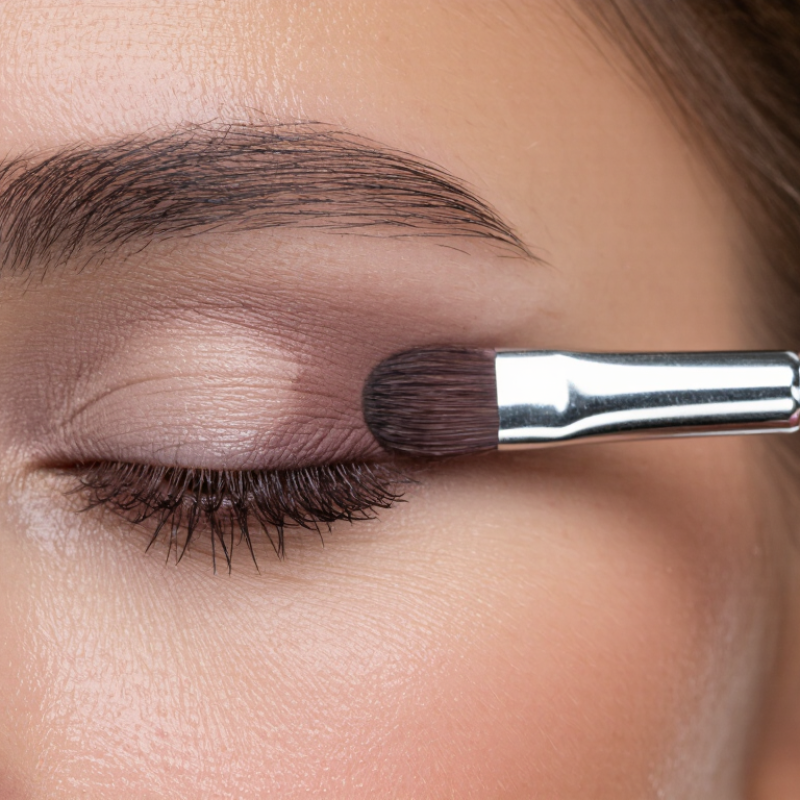
China Top Eye Primer Why Is Eyeshadow Patchy?

What Causes Patchy Eyeshadow Application?

China’s Top Eye Primer: Why Is Eyeshadow Patchy?

Patchy eyeshadow often begins with uneven eyelid texture, not poor pigment. Natural oil, sweat, or leftover skincare can prevent smooth color adhesion. Dry areas create another problem. Powder may cling to rough skin and leave gaps beside softer sections.

I used to blame the eyeshadow immediately. That was wrong. In practical makeup work, I have found that too much primer can crease, while too little cannot control oil. Start with less. Apply a thin layer across the lid, then wait briefly before adding shadow. A tacky surface usually improves blending, but a wet surface can make pigment drag.

Brush pressure also changes the result. Pressing color onto the lid gives stronger coverage than repeated sweeping. Loading too much powder at once often creates hard edges and scattered patches. A clean, soft brush helps remove excess without stripping the base. Skin temperature matters too; warm lids may need a longer setting time. I still sometimes rush this step, especially near the inner corner. That small mistake shows quickly. Check the eyelid in natural light before building another layer.

How Eye Primer Creates a Smooth Base

China Top Eye Primer: Why Is Eyeshadow Patchy?

How Eye Primer Creates a Smooth Base

Patchy eyeshadow often starts with uneven eyelid texture, not poor makeup technique. Oil, skincare residue, and natural creases can separate pigment during wear. A quality eye primer forms a thin, flexible film over these areas. It helps reduce surface friction and gives powder pigments a more consistent place to grip. In my experience, one thin layer works better than a thick, wet coating. Too much product can crease before the shadow sets. That mistake is easy to make.

The global eye makeup market was valued at about 17 billion dollars in 2023, according to Grand View Research’s industry estimate. This growth reflects stronger demand for long-wear and performance-focused formulas. However, market popularity does not guarantee a perfect result. The Society of Cosmetic Chemists explains that film-forming ingredients can improve adhesion, while absorbent powders may help control excess oil. Primer also improves color clarity by reducing the eyelid’s natural unevenness. It cannot fully hide deep folds or replace gentle blending.

Tips: Clean the eyelids first, then wait until skincare feels dry. Apply a rice-grain amount from the lash line to the crease. Let it settle for 20 to 30 seconds. Press shadow onto the base instead of sweeping immediately. Test the combination, because some primers and shadows still separate together.

How to Choose a China-Made Eye Primer

China Top Eye Primer: Why Is Eyeshadow Patchy?

How to Choose a China-Made Eye Primer

Patchy eyeshadow often begins with the primer, not the powder. A watery formula can slide across oily lids. A fast-drying formula may grip pigment unevenly. In practical product screening, I check the lid after ten minutes. It should feel smooth, not sticky or tight. Very short wear tests can mislead.

Market demand is expanding. Grand View Research estimated the global eye makeup market at about USD 16.4 billion in 2023. Mordor Intelligence projected a 6.3% annual growth rate through 2029. Their estimates differ because research methods vary. That difference deserves attention. Buyers should not treat one market figure as absolute proof.

For a China-made eye primer, request the full ingredient list and batch-level quality documents. Look for stability testing, microbial testing, and skin-compatibility evaluation. ISO 22716-based manufacturing controls can support cleaner production and traceability. Check whether the product separates after heat and cold cycles. A reliable primer should spread in a thin, even film. Test it over dry skin, sunscreen, and moisturizer. These surfaces behave differently. Choose a finish suited to the user’s eyelids. Matte formulas may help oily lids, while flexible formulas suit dry skin. Still, “long-wear” claims need evidence. Ask for standardized wear-test conditions, because casual before-and-after photos prove little. A small flaw remains: even a well-tested primer may fail with incompatible skincare underneath.

China Top Eye Primer: Why Is Eyeshadow Patchy? - How to Choose a China-Made Eye Primer
Evaluation Dimension What to Check Preferred Characteristic How It Helps Prevent Patchy Eyeshadow Practical Use or Test
Skin Oil Control Whether the formula reduces excess sebum on the eyelid without leaving a heavy film. Lightweight, quick-setting texture with a balanced matte or natural finish. Excess eyelid oil can dilute eyeshadow pigment, cause creasing, and make powder adhere unevenly. Apply a thin layer and check the eyelid after 4–6 hours for visible creasing or color breakdown.
Texture and Slip How smoothly the primer spreads and whether it becomes sticky or uneven during blending. Even application with enough slip for blending, followed by a stable set time. A primer that sets too quickly can create hard edges, while excessive slip can move powder and produce gaps. Blend a small amount across the lid with a fingertip, then apply shadow after the recommended setting period.
Drying and Set Time Time required for the surface to become smooth and transfer-resistant. Consistent set time, commonly within approximately 30–90 seconds depending on the formula and application amount. Applying powder before the primer settles may cause clumping; waiting too long after an overly dry set can reduce blendability. Test the formula at 30-second intervals and identify the point when it feels smooth rather than wet or tacky.
Pigment Adhesion Whether matte, shimmer, and pressed-powder shadows adhere evenly. Uniform grip without making powder appear excessively dark or difficult to diffuse. Consistent adhesion helps prevent bare spots, streaks, and uneven color intensity. Compare one eyeshadow shade over primed skin and unprimed skin using the same brush pressure.
Coverage and Color Correction Ability to reduce the appearance of visible veins, redness, or uneven eyelid tone. Sheer to medium, buildable coverage with a neutral or skin-compatible tint. A more even base allows eyeshadow color to appear more consistent from the inner to the outer lid. Choose coverage based on the eyelid: sheer for minimal discoloration and buildable coverage for stronger contrast.
Finish Whether the dried surface is matte, satin, luminous, or visibly reflective. Matte or soft-satin finish for most powder eyeshadows. Excess shine can reflect light unevenly and may reduce the visual uniformity of matte shades. Use a matte-setting formula for oily lids and a soft-satin formula when dryness is the primary concern.
Compatibility with Skin Type How the primer behaves on oily, dry, sensitive, or mature eyelids. Formula selected according to oil level, dryness, and sensitivity rather than color alone. Oily lids may need stronger setting; dry lids usually need flexible hydration to prevent flaking and skipping. Test a small area first, especially when the eyelid is sensitive or prone to irritation.
Ingredient Function Whether the ingredient system supports adhesion, texture control, and comfortable wear. Film-forming, absorbent, emollient, and texture-modifying ingredients used in a balanced combination. Film formers can improve wear, absorbents can reduce surface oil, and emollients can reduce excessive dryness. Review the ingredient list and avoid selecting a product solely because it contains one highlighted ingredient.
Transfer Resistance Resistance to movement from blinking, heat, humidity, and natural eyelid contact. Stable film that remains flexible rather than cracking or becoming greasy. Reduced transfer helps keep color in place and limits uneven buildup in the crease. Wear the product for several hours and inspect the crease, outer corner, and lower edge of the lid.
Humidity Performance Behavior in warm or humid conditions, where perspiration and moisture can affect makeup. Moisture-resistant performance supported by controlled application and suitable setting properties. Humidity can soften the base and cause pigment migration or separation. Evaluate wear during a typical warm-day routine rather than relying only on an indoor swatch.
Application Amount Whether the formula performs consistently when applied in a thin layer. A small, even amount covering the mobile eyelid without pooling in the crease. Too much primer can remain wet and cause patchiness; too little may not control oil or smooth the base. Start with a rice-grain-sized amount per eyelid, then add a very thin layer only where needed.
Powder Application Method Compatibility with fingers, flat brushes, fluffy brushes, and sponge applicators. Consistent performance with the tools used for the target eyeshadow texture. Heavy brush pressure can lift the primer, while excessive blending can disturb a partially set base. For a uniform base, pat on the primer and press powder gently before blending the edges.
Packaging and Hygiene Container design, closure, applicator cleanliness, and protection from repeated air exposure. Secure packaging that limits contamination and allows controlled dispensing. Contaminated or repeatedly exposed products may change texture, which can affect smooth application. Keep the container closed, avoid sharing, and replace the product if its smell, texture, or appearance changes.
Quality and Compliance Documentation Availability of ingredient labeling, batch information, safety assessment, and relevant manufacturing documentation. Clear traceability and documentation appropriate for the intended sales market. Consistent quality control supports stable texture, color, and performance between production batches. Request current technical documents and verify that labeling matches the finished product before purchase.
Patchiness Diagnosis Whether uneven color is caused by eyelid oil, dry texture, primer amount, brush pressure, or eyeshadow formula. Selection based on the actual cause rather than automatically adding more primer. Different causes require different solutions: oil control, hydration, less product, or a gentler application method. Run a controlled comparison using the same shadow on bare skin, primed skin, and lightly set primer.
General selection rule: Choose a thin, evenly setting primer that matches the eyelid’s oil level and dryness. Apply a small amount, allow it to settle, and press eyeshadow onto the base before blending.

Step-by-Step Guide to Applying Eye Primer

Why Is Eyeshadow Patchy? A Step-by-Step Guide to Applying Eye Primer

Patchy eyeshadow often starts with uneven skin texture, excess oil, or too much primer. In my makeup tests, clean and dry eyelids created the most consistent base. Wash gently, then pat the area completely dry. Avoid heavy eye cream immediately before makeup. It can make the surface slippery.

Use a rice-grain amount of eye primer for each eyelid. Dot it across the lid, crease, and inner corner. Blend a thin, even layer with a clean fingertip or small brush. Do not rub aggressively near the lash line. Let the primer settle for 30 to 60 seconds. It should feel smooth, not wet. If the lid still looks sticky, press on a tiny amount of translucent powder.

Apply eyeshadow with a pressing motion, especially over uneven areas. Build color gradually instead of dragging one thick layer across the lid. Keep the brush pressure light in the crease. A flat brush usually gives stronger coverage, while a soft brush helps blend edges. I once applied too much primer and blamed the eyeshadow for creasing. The real problem was the thick base. Less worked better. Still, some eyelids need a slightly more powder-set surface, so adjust after testing one eye. Stop if burning, swelling, or persistent irritation appears.

How to Prevent and Fix Patchy Eyeshadow

China Top Eye Primer: Why Is Eyeshadow Patchy?

Patchy eyeshadow usually begins with uneven skin texture, excess oil, or too much skincare underneath. Start with clean skin. Wait two minutes after applying moisturizer, then press away shine with tissue. Apply a thin layer of eye primer from the lash line to the crease. A primer should feel smooth, not wet. Too much product can create slippery spots and make powder cling unevenly.

Use a small, dense brush for color placement, then a softer brush for blending. Tap off excess powder before touching the eyelid. Build pigment in thin layers instead of dragging one heavy layer across the crease. Matte formulas often show patchiness faster, especially on dry areas. A light beige base can reveal texture before color application. That matters. If a patch appears, stop blending. Add a tiny amount of primer, let it set, and press the eyeshadow over it again.

Grand View Research estimated the global eye makeup market at about 15.7 billion U.S. dollars in 2023, showing how many consumers rely on eye products daily. Yet market growth does not guarantee easy application.

Professional makeup artists often adjust primer thickness for different eyelid types. Oily lids may need a set primer; dry lids may need less powder beneath shadow. My own mistake was assuming more primer meant better wear. It often made the crease worse. Product compatibility still needs testing, because powders and bases can behave differently.

FAQS

Why does eyeshadow look patchy on the eyelid?

Uneven oil, sweat, skincare residue, and dry texture can stop powder from gripping evenly. Some areas absorb color. Natural creases can also separate pigment during wear.

Can too much eye primer cause patchiness?

Yes. A thick or wet layer may crease, drag pigment, or create uneven adhesion. Use less product. Apply a rice-grain amount from the lash line to the crease. Wait 20 to 30 seconds before adding shadow.

How should oily eyelids be prepared?

Clean the lids and let skincare dry completely. A thin, matte-leaning primer may help control excess oil. Warm skin may need longer setting time. Still, oil control is not guaranteed.

How should dry eyelids be prepared?

Use a flexible, thin layer rather than a tight, fast-drying coating. Rough areas may grab powder while smoother areas remain bare. That contrast creates visible gaps. Gentle preparation matters.

What application method reduces uneven color?

Press shadow onto the primer instead of sweeping repeatedly. Start with a small amount of powder. Build slowly. A clean, soft brush can remove excess without stripping the base.

How can someone test whether primer and eyeshadow work together?

Test the combination on clean skin, moisturizer, and sunscreen separately. Check the result after ten minutes. Then inspect it in natural light. Some pairs still separate. That was easy to miss.

What should buyers check when choosing a manufactured eye primer?

Request the full ingredient list and batch-level quality documents. Look for stability, microbial, and skin-compatibility testing. Recognized manufacturing controls can support traceability. Heat and cold cycle checks reveal separation risks.

Do long-wear claims prove an eye primer will prevent patchiness?

No. Casual photographs provide limited evidence. Ask for standardized wear-test conditions and realistic application details. Skincare underneath may still cause failure. No test is perfect. That deserves reflection.

Conclusion

Patchy eyeshadow often results from oily eyelids, dry skin, uneven texture, excess skincare, or applying too much product at once. A quality eye primer helps create a balanced, slightly grippy surface that improves color payoff and blending. However, if you wonder, “why is my eye primer making eyeshadow patchy,” the cause may be using too much primer, failing to let it set, layering it over greasy skincare, or choosing a formula that does not suit your skin type.

When choosing a China-made eye primer, consider its texture, ingredients, skin compatibility, and performance in different climates. Apply a thin, even layer to clean eyelids, blend it gently, and allow it to settle before adding eyeshadow in light layers. To prevent patchiness, use suitable brushes, avoid excessive powder, and build color gradually. If uneven areas appear, soften them with a clean blending brush, add a small amount of primer only where needed, and reapply eyeshadow carefully.

Henry

Henry

Henry is a dedicated marketing professional with a profound expertise in the company's offerings. With years of experience in the industry, he possesses an impressive understanding of the market dynamics and consumer behaviors that drive success. Henry is committed to sharing his insights through......