Top 10 Ways to Get a Dewy Makeup Look for Dry Skin

Time:2026-09-15 Author:Mason
0%

Dry skin can make makeup look flat, flaky, or uneven by midday. The right strategy begins before foundation. It combines gentle preparation, thin layers, and carefully placed shine.

The global skincare market continues to expand. Grand View Research valued it at approximately $155 billion in 2022 and expects continued growth through 2030. Mintel’s Facial Skincare—US, 2024 report also highlights hydration and skin-barrier support as important consumer concerns. These reports do not prove that every glowing product works. They show a clear demand for informed, moisture-focused routines.

So, how to get a dewy makeup look for dry skin without creating greasy patches? Start with clean, slightly damp skin. Apply a fragrance-free moisturizer, then wait two minutes. Notice the texture. If makeup catches around the nose, the base may need more hydration or less powder. Makeup artist Nam Vo, known for her “dewy dumpling” technique, says, “Dewy skin is all about hydration.” Her principle is practical, but not universal. Very rich products can separate foundation, especially in humid weather.

This guide presents ten realistic techniques, from barrier-friendly skincare to cream blush placement. Each method focuses on controlled radiance. Think of soft light across the cheekbones, not oil across the entire face. Patch-test new products, and adjust the routine when your skin reacts. No routine is flawless. Your skin may still show texture, and that is normal.
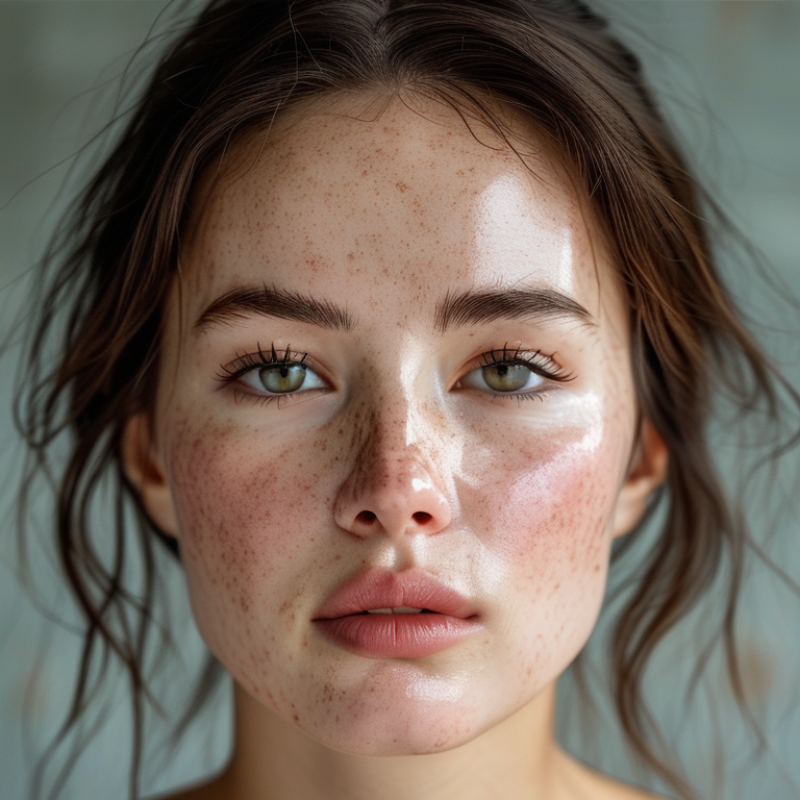
Top 10 Ways to Get a Dewy Makeup Look for Dry Skin

Prepare and Hydrate Dry Skin Before Applying Makeup

A dewy makeup look starts before any foundation touches the face. Dry skin often needs water, oil, and time, not a thicker layer of makeup. Cleanse with lukewarm water and a gentle, fragrance-free cleanser. Hot water can leave tightness behind. Pat your face with a soft towel, leaving it slightly damp. Apply a hydrating essence or serum while the skin still holds moisture. Look for ingredients such as glycerin, hyaluronic acid, or panthenol. These ingredients help attract or retain water, though results vary between people. Use less product than you expect. Too many layers may pill.

Follow with a plain moisturizer, pressing it around the nose, cheeks, and mouth. Those areas usually reveal dryness first. Wait five to ten minutes before applying makeup. This pause helps products settle and reduces sliding. In daytime, add broad-spectrum sunscreen after moisturizer. Choose a formula that feels comfortable, because skipped protection is not a useful beauty trade-off.

If flakes remain, soften them with moisturizer instead of scrubbing hard. Exfoliating more often can worsen irritation. I once used too much exfoliant before makeup, and the finish looked patchy, not luminous. That mistake changed my routine. Now I patch-test new products and adjust based on stinging, redness, or persistent tightness. If those signs continue, consult a qualified dermatologist. Healthy-looking glow should never require discomfort.

Choose Moisture-Rich Products for a Natural Dewy Base

Dry skin needs moisture before makeup touches it. In my experience, a dewy finish begins with a gentle, non-stripping cleanser. Pat your face dry, but leave it slightly damp. Apply a moisturizer containing humectants such as glycerin, then seal it with lightweight emollients. This helps create a smoother surface without making the makeup slide. Wait two or three minutes before applying complexion products. That small pause matters.

Choose a hydrating primer or skin tint with a creamy, flexible texture. Avoid formulas that dry down too quickly around the nose and cheeks. Use a damp sponge to press foundation into the skin, rather than rubbing it across flaky areas. Add concealer only where needed. Too much product can make dryness more visible. A cream blush placed high on the cheeks can add fresh-looking color. Keep powder limited to the center of the face.

Check the finish in natural light. Bathroom lighting can be misleading. If the skin feels tight, the base probably needs more moisture, not more highlighter. I sometimes apply too many layers and lose the natural effect. That mistake is useful feedback. Adjust the next application by using less product and more preparation. Patch-test new skincare products, especially when the skin is sensitive or irritated. Hydration should feel comfortable, not heavy or sticky.

Top 10 Ways to Get a Dewy Makeup Look for Dry Skin - Choose Moisture-Rich Products for a Natural Dewy Base

No. Dewy Makeup Method Product Type Helpful Ingredients or Features How to Use Expected Finish
1 Prepare with a gentle cleanse Cream or lotion cleanser Low-foam formula, glycerin, soothing emollients Cleanse with lukewarm water and pat the skin dry instead of rubbing. Comfortable, smooth skin with less surface tightness
2 Apply a hydrating layer Hydrating essence or serum Humectants such as glycerin, hyaluronic acid, or panthenol Press a thin layer onto slightly damp skin and allow it to settle. Plumper-looking skin with a fresh sheen
3 Seal in moisture Rich moisturizer Ceramides, squalane, shea butter, or fatty acids Use a thin, even layer and wait a few minutes before makeup. Soft, supple surface that helps foundation spread evenly
4 Choose a radiant primer Hydrating or illuminating primer Emollients, light-reflecting particles, and a non-matte texture Apply a pea-sized amount mainly to the cheeks and high points. Subtle luminosity beneath complexion makeup
5 Use a moisture-rich base Liquid, serum, or skin-tint foundation Hydrating emollients, flexible film-formers, and a satin finish Start with a thin layer from the center of the face and blend outward. Natural, even coverage without a heavily powdered look
6 Blend with a damp sponge Damp makeup sponge Soft, slightly damp texture that presses rather than drags Dampen, squeeze out excess water, and bounce over the base. Thin, seamless coverage with a skin-like glow
7 Spot-conceal instead of layering Cream or hydrating concealer Flexible, blendable texture with a natural or satin finish Place small dots only where extra coverage is needed, then tap to blend. More even complexion while preserving natural radiance
8 Add cream color products Cream blush and cream bronzer Emollient base and buildable pigmentation Warm a small amount between fingers or use a synthetic brush, then blend lightly. Fresh, naturally flushed dimension
9 Highlight with a balm Cream or balm highlighter Sheer reflective finish without coarse glitter Tap onto the tops of the cheekbones, bridge of the nose, and brow bones. Glossy-looking highlights that resemble healthy skin
10 Set selectively Finely milled setting powder or hydrating mist Lightweight powder for targeted areas; mist for a softer finish Powder only the eyelids, sides of the nose, or areas prone to creasing. Longer wear while the cheeks and high points remain luminous

Application note: Patch-test new skincare and makeup products when possible, and adjust the amount of moisturizer or powder according to your skin’s comfort and makeup wear.

Build Lightweight Coverage Without Emphasizing Dry Patches

A dewy makeup look begins before foundation touches your face. Gently cleanse with lukewarm water, then apply a fragrance-free moisturizer to slightly damp skin. Let it absorb for several minutes. This pause helps prevent rolling and uneven coverage. A hydrating primer can smooth texture without creating a heavy layer.

Use less product than you expect. Choose lightweight, flexible coverage and apply it only where redness appears. Press it in with clean fingers or a damp sponge, rather than dragging it across flaky areas. Add a second thin layer only where needed. Cream blush usually blends more naturally than dry powder. Keep the finish fresh.

Avoid placing powder everywhere. Set only the sides of the nose, chin, or areas that crease. Leave the high points softly luminous. A fine facial mist can melt visible makeup edges, but it cannot repair neglected skin preparation. I still sometimes use too much foundation on rough patches, hoping coverage will hide them. It usually does the opposite. If flakes remain, remove that spot gently, moisturize again, and rebuild with less product. Check the formula on a small area first, especially when your skin is sensitive. Clean tools regularly, and stop if stinging or persistent redness develops.

Top 10 Ways to Get a Dewy Makeup Look for Dry Skin

Build lightweight coverage without emphasizing dry patches

The chart ranks practical application priorities on a 1–10 scale. Skin preparation, thin layers, and targeted powdering receive the strongest emphasis because they help preserve a fresh finish while reducing the appearance of dry patches.

Add Cream-Based Color and Soft Glow in Strategic Areas

Dry skin looks freshest when glow is placed, not painted everywhere. I begin with a fragrance-free moisturizer and wait several minutes. This prevents cream color from sliding across flaky areas. The American Academy of Dermatology recommends moisturizing immediately after cleansing, while skin is still slightly damp. That small timing detail matters. I have found that a satin finish looks more convincing than obvious shimmer.

Choose cream blush, bronzer, and highlighter with flexible, emollient textures. Press blush onto the upper cheeks, then blend toward the temples with fingertips. Add bronzer around the forehead, cheek perimeter, and jawline. Keep the center of the face lighter. Tap a small amount of highlighter on cheekbones, brow bones, and the bridge of the nose. Avoid textured patches. They magnify dryness. McKinsey’s 2023 beauty market report projected the global beauty market could reach about $580 billion by 2027, reflecting strong demand for complexion products and skincare-informed routines. Market growth does not guarantee a flattering finish, though.

Use a damp sponge only where edges look harsh. Heavy powder can erase the soft reflectance, so set the inner nose and under-eyes sparingly. Circana’s 2024 U.S. beauty reporting identified continued consumer interest in complexion and makeup performance, but wear testing remains personal. My mistake was adding more glow after the first layer looked subtle. It became greasy under daylight. Check your makeup near a window, then remove one layer if needed.

Skin texture is not a flaw to hide. It is a reason to place light carefully.

Set and Refresh the Makeup While Preserving Its Radiance

A dewy makeup look for dry skin depends on careful setting, not heavy powder. When I work with dry complexions, I protect the skin’s natural sheen before adding coverage. I apply a lightweight moisturizer, wait several minutes, then press foundation gently with a damp sponge. Rubbing can lift flaky areas. It happens easily.

Set only the places that crease or become oily, such as the sides of the nose, under-eyes, and chin. Use a small, soft brush and a finely milled powder. Keep the cheeks, temples, and bridge of the nose mostly untouched.

A dewy finish needs controlled restraint. I sometimes powder too much when trying to improve longevity, and the result looks flat. Removing excess powder with a clean, fluffy brush can restore some softness.

Tips: Carry a hydrating facial mist for midday refreshes. Hold it about eight inches away, then let it settle without wiping. If makeup looks patchy, press the surface with a damp sponge instead of adding more foundation. A tiny amount of moisturizer can smooth one dry spot, but use a clean fingertip and very little product. Test new formulas on a small area first, especially when your skin is sensitive.

Refresh lightly. Preserve the glow.

FAQS

How should dry skin be prepared before makeup?

Cleanse with lukewarm water and a gentle, fragrance-free cleanser. Pat lightly, leaving skin slightly damp. Apply a hydrating serum, then moisturizer.

Which ingredients may help dry skin look more hydrated?

Glycerin, hyaluronic acid, and panthenol may help attract or retain water. Results vary. Use a small amount.

How long should I wait before applying makeup?

Wait five to ten minutes after moisturizing. This gives products time to settle. It may reduce sliding.

What should I do if dry flakes remain?

Soften them with moisturizer instead of scrubbing. Harsh exfoliation can worsen irritation. I once over-exfoliated, and my makeup looked patchy.

How can I apply foundation without emphasizing flaky areas?

Press foundation gently with a damp sponge. Avoid rubbing. Rubbing can lift dry patches.

Where should powder be applied for a dewy finish?

Powder only areas that crease or become oily, such as the nose sides, under-eyes, and chin. Leave cheeks mostly untouched.

What can restore makeup during the day?

Hold a hydrating mist about eight inches away. Let it settle without wiping. Refresh lightly.

What should I do when makeup looks patchy?

Press the surface with a damp sponge. Do not immediately add more foundation. A tiny amount of moisturizer may smooth one dry spot.

When should I stop using a new product?

Stop if you notice stinging, redness, or persistent tightness. Patch-test new formulas first. Seek qualified dermatological advice if symptoms continue.

Conclusion

Achieving a fresh, luminous complexion begins with learning how to get a dewy makeup look for dry skin through thoughtful preparation and lightweight layering. Start by cleansing gently, then apply hydrating skincare while the skin is slightly damp to help restore comfort and softness. Allow each layer to absorb before applying makeup. Choose moisture-rich products that support a natural glow, and use a thin, flexible base rather than heavy coverage. Apply foundation or concealer only where needed, blending carefully to avoid highlighting flaky areas or uneven texture.

For added radiance, use cream-based blush, bronzer, and highlighter on selected areas such as the cheeks, bridge of the nose, and brow bones. These textures blend smoothly and help the complexion look healthy instead of overly powdered. Set only the areas that require extra wear, keeping the glowing parts of the face fresh. Throughout the day, refresh dry skin with a fine hydrating mist or a small amount of nourishing product, pressing gently rather than rubbing. With balanced preparation, soft color, and minimal powder, dry skin can maintain a comfortable, naturally dewy finish.

Mason

Mason

Mason is a seasoned marketing professional with a deep expertise in the company's offerings and a passion for driving brand awareness. With a strong background in digital marketing strategies, he has an innate ability to connect with diverse audiences and effectively communicate product benefits.......