How to Reuse Old Makeup Containers in 2026?

Time:2026-09-25 Author:Isabella
0%

Old makeup containers can look too small, too stained, or too fiddly to save. Yet a clean compact, glass jar, or sturdy plastic pot may still be useful. The key is choosing a safe, realistic second use—not pretending every package can be restored. How to reuse old makeup containers starts with a careful inspection. Check for cracks, lingering odors, rust, or parts that resist cleaning. If a container held mascara or liquid eyeliner, its narrow tube and wand can be especially difficult to clean thoroughly. Some pieces are better recycled or discarded according to local guidance.

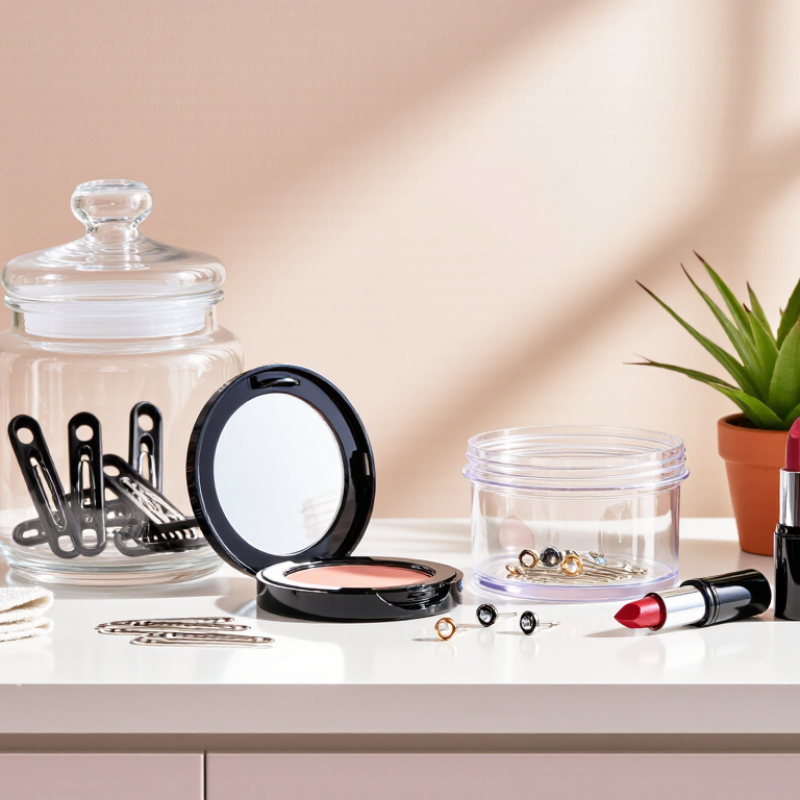
For containers in good condition, simple uses often work best. A washed cream jar can hold hair clips, while a compact may keep small earrings together in a drawer. A clean, dry lipstick case might store a few hairpins. Small details matter: remove labels, wash with warm soapy water when the material allows, and let every part dry completely. Avoid using old packaging for food, medicine, or fresh skincare unless it is designed for that purpose and can be cleaned appropriately. Not every jar deserves a second life. That is okay. This guide explores practical reuse ideas, basic cleaning considerations, and ways to decide when a container is no longer suitable. The honest part? Some designs are simply awkward to repurpose. A useful reuse should save space or reduce waste without creating extra mess.
How to Reuse Old Makeup Containers in 2026?

Assess Which Makeup Containers Are Safe to Reuse

Before reusing a makeup container, check its material, seams, and previous contents. A cracked jar, rusty lid, sticky pump, or lingering odor is a reason to discard it. Porous plastic and scratched surfaces can hold residue that ordinary washing may not remove. That matters. A 2019 study in the Journal of Applied Microbiology examined 467 used beauty products and reported bacterial contamination in 79–90% of beauty blenders. The finding concerns applicators, not containers, but it shows how easily used beauty tools can carry microbes.

Be cautious with containers that held mascara, liquid eyeliner, or products applied near the eyes or mouth. Their narrow openings and pumps are difficult to clean thoroughly. The U.S. Food and Drug Administration notes that cosmetic shelf life varies and that manufacturers are responsible for determining product safety over time; a clean-looking container alone proves little. For a lower-risk reuse, choose an intact glass jar or sturdy container, wash it with hot, soapy water, rinse well, and let it dry completely before using it for non-cosmetic storage. Don’t refill it with fresh makeup or skincare unless it was designed for refilling. I’d still hesitate with a container that once held a water-based cream. It may look spotless, but hard-to-see residue is easy to miss.

Empty and Sort Containers by Material and Condition

Before sorting old makeup containers, empty each one completely. Wipe away loose powder, cream, or lipstick with a tissue. Let containers dry before grouping them. Keep it simple. The U.S. Environmental Protection Agency reported that 82.2 million tons of containers and packaging were generated in 2018, with 53.9% recycled. That figure covers all packaging, not cosmetics alone, but it shows why careful sorting matters.

Separate glass jars, plastic tubes, metal pans, and mixed-material pieces. Check for material markings, but do not assume a recycling symbol guarantees acceptance. Local programs differ. Remove detachable pumps, caps, mirrors, and metal inserts when practical; place each part with its matching material. If a component cannot be separated, check your local recycling guidance instead of guessing.

Condition matters as much as material. Keep clean, sturdy jars for small storage, such as hairpins or travel-size accessories. Recycle containers only when they are empty and accepted locally. Discard pieces that are cracked, heavily stained, or impossible to clean. Some pieces will still be rejected. OECD’s Global Plastics Outlook (2022) found that just 9% of global plastic waste was recycled in 2019. That broad statistic is a reminder: sorting helps, but it cannot make every container recyclable.

Clean and Sanitize Each Container Thoroughly

Before reusing an old makeup container, empty it completely and inspect the seams, lid, and pump. A 2019 study by Aston University researchers, published in the Journal of Applied Microbiology, tested 467 used makeup products and found bacterial contamination in 79–90% of samples. The study examined used products, not empty containers, but it shows why residue deserves attention. One easy-to-miss spot: the cap threads.

Wash the container with warm water and dish soap. Use a small, clean brush around narrow openings and grooves. Remove detachable parts, such as inner seals, when possible. Rinse until no soap or pigment remains. Then sanitize only with a method suitable for that material, following the container maker’s care guidance. Do not assume every plastic can tolerate boiling water or alcohol. Let all pieces air-dry fully on a clean towel, with openings facing down. Dampness can undo careful cleaning.

Check again before reuse. Discard cracked, warped, or persistently stained containers, and avoid reusing parts that cannot be cleaned inside, such as some pumps. A 2020 report on cosmetic hygiene by Aston University researchers also found that 93% of surveyed beauty blenders were never cleaned; applicators are not containers, but both can hide residue. Dry, non-food uses—like storing buttons or craft beads—are a more cautious choice when a container’s full sanitation is uncertain. A rinse alone is not enough.

Choose a Practical New Use for Each Container

An empty compact can become a travel sewing kit: place a few needles, spare buttons, and short lengths of thread inside. Remove any powder residue with a dry cloth, then wash the case with mild soap if its materials allow. Let it dry completely. A tiny pot that once held balm can store paper clips, beads, or hair pins on a desk. Check the lid first; loose lids are better suited to a drawer than a bag. Keep these containers for dry, non-food items, not products that touch skin.

Use a clean mascara tube as a small water brush for painting only if its wand and tube can be washed thoroughly; otherwise, recycle the parts where local services accept them. A sturdy lipstick case can hold a short pencil stub or a few safety pins, though some shapes are awkward. Try it before relying on it. A shallow eyeshadow palette makes a useful tray for sorting buttons or mixing small amounts of craft paint. Cover it with scrap paper if the surface stains easily. Not every container deserves a second job. Some are too cracked, sticky, or hard to clean, and I have kept one too long before admitting it was clutter.

How to Reuse Old Makeup Containers in 2026?

Choose a practical new use for each container. The chart compares typical product volumes with simple reuse ideas.

Volumes shown are common retail sizes, not fixed standards; actual products vary. Clean and dry containers thoroughly before reuse. If a container is difficult to clean, use it for non-personal items such as craft supplies rather than cosmetics or food.

Recycle or Dispose of Containers That Cannot Be Reused

When a makeup container cannot be reused, check your local recycling guidance before putting it in a bin. Accepted materials vary by location, and a recycling symbol alone does not guarantee acceptance. Empty the container and wipe away leftover cream or powder with a tissue. Small parts matter. Separate the cap, jar, mirror, and removable insert when possible. A glass jar may be accepted, while its plastic lid may belong elsewhere. Pumps, droppers, and narrow tubes are often difficult to process, so check rather than guessing.

If a container is too soiled, made from mixed materials, or not accepted locally, put it in household waste where permitted. Do not place loose makeup residue in recycling; it can contaminate other items. For spray containers, follow local disposal instructions, since some require special handling. I still get this wrong sometimes, especially with tiny compacts that look recyclable but contain several joined materials. Rinse only when local guidance recommends it and the container can be cleaned safely. If the packaging has sharp edges or broken glass, wrap it securely before disposal, following local waste instructions.

FAQS

How can I tell whether a makeup container is safe to reuse?

Check its material, seams, and previous contents. Discard cracked jars, rusty lids, sticky pumps, or containers with lingering odors. Intact glass jars may work for non-cosmetic storage.

Can I refill an old container with fresh makeup or skincare?

Don’t, unless the container was designed for refilling. Hidden residue may remain, even when it looks spotless.

How should I clean a container before reusing it?

Wash a sturdy container with hot, soapy water, rinse well, and let it dry completely. Drying matters.

Are containers used for eye products harder to clean?

Yes. Mascara and eyeliner containers often have narrow openings or pumps that are difficult to clean thoroughly. I’d avoid reusing them.

What does research say about contamination in used beauty products?

One study examined 467 used beauty products and found bacterial contamination in 79–90% of beauty blenders. That finding concerns applicators, not containers.

How should I sort empty containers for recycling?

Separate glass jars, plastic tubes, metal pans, and mixed-material pieces. Remove detachable caps, mirrors, pumps, or inserts when practical. Small parts matter.

Does a recycling symbol mean my container will be accepted?

No. Check local recycling guidance because programs differ. A symbol does not guarantee acceptance.

What should I do with dirty or non-recyclable containers?

Empty and wipe them first. If they are too soiled, mixed-material, or not accepted locally, use household waste where permitted. Keep loose makeup residue out of recycling.

How should I handle broken glass or spray containers?

Wrap broken glass securely and follow local disposal instructions. Check local guidance for spray containers, as some require special handling. I still second-guess tiny compacts.

Conclusion

Learning how to reuse old makeup containers begins with checking their condition and deciding whether they can be cleaned safely. Empty each container completely, then sort items by material, such as glass, plastic, or metal. Discard any container that is cracked, damaged, difficult to clean, or still holds product that cannot be removed. Wash suitable containers thoroughly with warm, soapy water, paying attention to lids, pumps, and narrow openings. Let every part dry completely before using it again.

Choose a new purpose that fits each container’s shape and material. Small jars can hold buttons or other tiny household items, while sturdy pouches may help organize accessories. Keep reused containers clean and use them only for appropriate purposes. If an item is unsuitable for reuse, check whether its materials can be recycled locally; otherwise, dispose of it responsibly.

Isabella

Isabella

Isabella is a dedicated marketing professional with a sharp focus on driving brand growth and engagement through strategic content creation. With an extensive background in digital marketing, she combines her passion for storytelling with her keen understanding of industry trends to deliver......