Setting powder can be a game-changer for achieving a flawless makeup finish. Yet, many struggle with how to use setting powder without looking dry. The right techniques can ensure your skin retains its natural glow while staying matte.
Understanding your skin type is crucial. Oily skin may benefit from a heavier application, while dry skin needs a lighter touch. Selecting the right powder is equally important. Look for finely milled formulas that won't cling to dry patches.
Application methods can make all the difference. Using a damp sponge can help the powder melt into your skin. Experimenting with different tools is key to finding what works best for you. Remember, it’s about enhancing your beauty, not masking it. Embrace the process, reflect on your results, and adjust as needed.
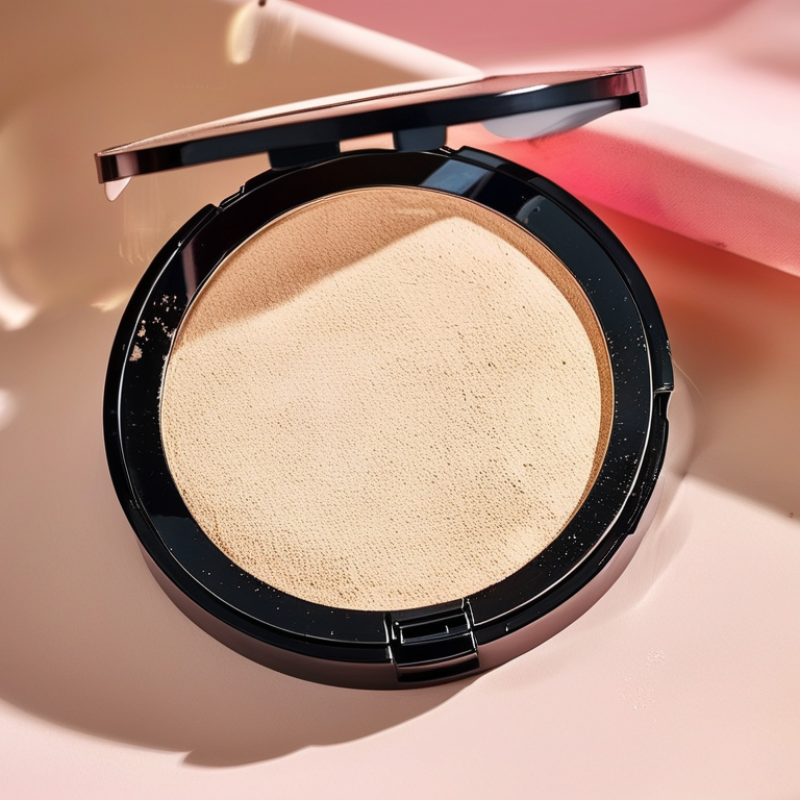
Choosing the right setting powder is essential for a flawless finish. The powder you select should match your skin type. Oily skin benefits from a mattifying formula that controls excess shine. Look for powders that absorb oil without feeling heavy. A lightweight option can help achieve that coveted smooth look.
Dry skin requires a different approach. A hydrating setting powder can help maintain moisture. Seek out powders with nourishing ingredients. These can prevent a chalky appearance. Many setting powders contain silica or talc, which can exacerbate dryness. Choosing a translucent powder may also help; it can add a soft focus without clinging to dry patches.
Testing a few products is key. Swatching on your skin can reveal how each powder interacts with your makeup base. Setting powders may come in various finishes. Some offer a glow, while others provide a matte look. You may find that what works for someone else doesn’t suit you. Remember, beauty is subjective, and personal experimentation is often necessary.
Preparing your skin before applying setting powder is essential for a flawless finish. Start with a clean canvas. Wash your face to remove any oil or dirt. Choosing a hydrating moisturizer is crucial. Look for lightweight formulas that absorb quickly.
Next, consider using a primer. A good primer helps to smooth out your skin texture. It fills in fine lines and pores. This creates an even surface for makeup application. Apply it gently with your fingers or a brush. Allow it a moment to set before proceeding.
Don't skip the hydration step. A tinted setting spray can add a layer of moisture. Lightly mist your face before applying powder. This keeps your skin looking fresh. Be cautious with products; only use what suits your skin type. Excessive layering can lead to a heavy appearance. Pay attention to the areas that often get dry. Apply the setting powder sparingly there. A light hand is the key to avoiding a cakey look.
Setting powder is a popular makeup product used to create a flawless finish. However, many individuals face the challenge of achieving a smooth look without appearing dry or cakey. Techniques for applying setting powder can make a significant difference. One effective method is to use a damp makeup sponge. This technique helps the powder adhere better to the skin, allowing for a more natural appearance. A recent study indicates that nearly 68% of makeup users struggle with powder application, leading to uneven textures.
Application technique matters greatly. Start with a light hand. Tap off excess powder before applying. It's crucial to focus on areas that tend to accumulate oil, like the T-zone. With 43% of individuals reporting a dry finish with traditional brushes, using a puff or sponge offers a more controlled approach. Layering the product gradually can also help mitigate any overly dry look. Simply press the powder onto the skin instead of sweeping it across.
Moisturizing the skin before applying makeup is essential. A good skincare routine enhances the effectiveness of setting powder. Experts suggest that hydrating products can increase the skin's moisture level by about 20% after consistent use. This preparation reduces the potential for a dry finish. Staying mindful of the product's texture, finish, and your skin's hydration is vital. Reflecting on these factors can lead to improved powder application results.
When applying setting powder, many face the challenge of achieving a smooth, flawless finish without dryness. One effective technique is the use of hydrating sprays. These sprays serve as a game changer in your makeup routine, helping to blend powder seamlessly and maintain a dewy look. A recent industry survey indicated that nearly 70% of makeup artists recommend using hydrating sprays to enhance powder application.
Tips for optimal results: include misting your face before and after applying powder. This layering technique keeps your skin feeling fresh and reduces that chalky appearance. Another useful strategy is to allow your hydrating spray to dry slightly before applying the powder. This not only helps with adherence but also prevents excess moisture from creating a slippery finish.
It’s important to remember that not all powders are the same. Some may still cling to dry patches or enhance texture, even with a hydrating spray. Testing different powder formulations can reveal what works best for your skin type. Embrace the learning process; it’s about finding balance and adapting techniques to achieve your best look.
When it comes to applying setting powder, choosing the right tools is crucial. A good brush can make all the difference. Look for a fluffy brush to create an even application. A damp sponge can also work wonders, allowing for a more blended finish. With the right tools, you can avoid that dreaded powdery look.
Tip one: Lightly tap off excess powder from your brush. Start with a small amount. This helps you build coverage gradually. It’s better to layer than to overdo it in one go. Remember, less is often more with setting powder.
Another aspect to consider is the technique. Use a dabbing motion with your sponge instead of sweeping. This helps to press the powder into your skin. It can create a natural finish that won’t emphasize dryness.
Lastly, be aware of your skin type. Different skins will react differently to powders. Combination and dry skin may need extra hydration before powder application. This can help minimize any chances of looking flaky.
: Hydrating sprays help blend powder seamlessly and maintain a dewy look. They prevent dryness and improve overall finish.
Mist your face before and after applying powder. This keeps skin fresh and reduces a chalky appearance.
Allow your hydrating spray to dry slightly before applying the powder. This helps with adherence and prevents slipping.
Not all powders react the same way. Some may cling to dry patches even with a spray. Testing is essential.
Use a fluffy brush for even application. A damp sponge is also effective for a blended finish.
Use a dabbing motion with your sponge. This presses powder into the skin, creating a natural finish without dryness.
Start with a small amount. Lightly tap off excess. Gradually build coverage; sometimes less is more.
Extra hydration may be needed before application. This can help minimize a flaky appearance after using powder.
No, even with good tools, results may vary. It’s important to reflect on techniques that suit your individual needs.
When it comes to mastering how to use setting powder without looking dry, understanding your skin type is essential in selecting the right product. This involves preparing your skin properly before application, which can significantly affect the overall finish. Techniques for applying the powder play a crucial role; using a light hand and focusing on oily areas can help prevent a cake-like appearance.
Incorporating hydrating sprays can enhance the setting powder’s effect, giving a more dewy look rather than a parched one. Lastly, choosing the right tools for distribution ensures an even application, further assisting in achieving a smooth, flawless finish. By following these tips, you can enjoy the benefits of setting powder while maintaining a natural, hydrated look.
