The question “what age should you start wearing makeup” has no universal answer. A child’s maturity, skin sensitivity, school environment, and personal reasons matter more than a birthday. Some children enjoy tinted lip balm at nine. Others feel ready for mascara at fifteen. Both experiences can be normal.
Makeup should begin as exploration, not pressure. A small mirror, clean hands, and one gentle product create a safer starting point. Dermatologist and makeup-industry expert Bobbi Brown has said, “Makeup is a way for a woman to look and feel like herself, only prettier and more confident.” That idea can guide families, although confidence should never depend on appearance. It is an important distinction.
Begin carefully.
Young skin can react to fragrance, heavy oils, or harsh preservatives. Choose non-comedogenic products when possible. Avoid sharing mascara, eyeliner, brushes, or lip products. Replace eye makeup regularly, and remove everything before sleep. A parent or trusted adult can help read labels and notice redness, burning, or itching. Stop using a product if those symptoms appear.
This article explores age-appropriate makeup choices, skin care basics, hygiene, and emotional readiness. It also considers social media pressure, which can make a simple lipstick feel strangely urgent. I admit there is no perfect starting point. Some advice sounds sensible but may not fit every family or skin type. That is why gradual testing, honest conversations, and professional dermatology guidance remain valuable. Makeup can be creative and enjoyable. It should not become a daily requirement.
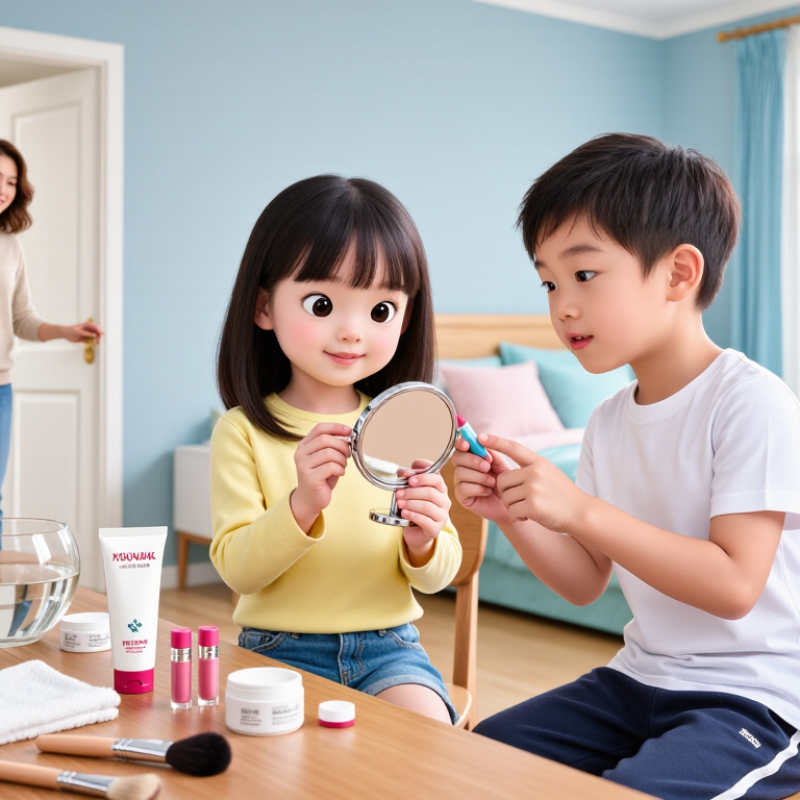
What Age Should You Start Wearing Makeup?
“Starting makeup” does not mean the same thing at every age. For children around eight to ten, it may mean playing with washable colors, lip balm, or face paint. The focus should be enjoyment, clean hands, and adult supervision. Around eleven to thirteen, a simple routine can introduce tinted lip products or a small amount of concealer for special occasions. School rules and personal comfort matter more than a fixed birthday.
Teenagers aged fourteen to seventeen often want mascara, blush, or foundation for school, photos, and social events. Makeup should be removed before sleep. The American Academy of Dermatology recommends choosing non-comedogenic products and cleansing gently, especially for acne-prone skin. This is practical advice, but it is not perfect for every skin type. A dermatologist can help when irritation, swelling, or persistent acne appears. The U.S. Food and Drug Administration also explains that cosmetics are generally not pre-approved before sale, so ingredient awareness remains important.
At eighteen and beyond, “starting makeup” can mean exploring professional techniques, mature skin needs, or personal style. It should not mean correcting a face that already needs fixing. A 2023 Circana report recorded a 14% increase in U.S. prestige makeup sales, showing how strongly the category is expanding. Meanwhile, Pew Research Center reported that 63% of U.S. teens used TikTok in 2023. Online tutorials can teach useful skills, but they can also create unrealistic pressure. Start slowly. Patch-test new products. Notice how your skin responds.
There is no magic birthday for starting makeup. Readiness matters more than age. A child or young teen should understand basic hygiene, product labels, and personal boundaries. They should also feel curious, not pressured by friends, social media, or appearance-focused comments. A small step, such as tinted lip balm for a special event, may be more suitable than a complete routine.
Skin safety deserves careful attention. Young skin can react to fragrance, pigments, or heavy formulas. Choose simple products with clear ingredient lists, and test a small area first. Stop using anything that causes burning, swelling, itching, or a rash. Never share mascara, eyeliner, brushes, or sponges, because germs can spread easily. Wash hands before application, remove makeup gently at night, and replace old products regularly. A dermatologist can help when acne, eczema, or repeated irritation is present.
Parent or caregiver guidance can make the experience safer without making it embarrassing. Show how much product is enough, especially around the eyes. Keep makeup away from broken skin and avoid sleeping in it, even after a tiring evening. I have noticed that beginners often focus on coverage before learning removal, which is an easy mistake. A short routine is usually kinder to developing skin. Still, individual needs differ, and advice should change when the skin changes.
There is no universal “right age.” Safe, supervised experimentation and personal readiness matter more than a specific birthday.
| Age Range | Typical Skin Considerations | Readiness Indicators | Appropriate Starting Options | Essential Safety Practices | When to Pause or Seek Advice |
|---|---|---|---|---|---|
| Under 8 | Children’s skin can be sensitive, and accidental contact with the eyes or mouth is more likely. | Makeup is usually best treated as occasional supervised play rather than a regular beauty routine. | Washable, non-eye makeup for brief dress-up activities; avoid applying products near the eyes or lips. |
|
Stop if there is burning, swelling, itching, rash, eye redness, or difficulty breathing. Seek urgent medical care for breathing problems or facial swelling. |
| 8–10 | Skin may still be sensitive, and frequent or heavy products can contribute to irritation or blocked pores. | The child understands that makeup is optional, can follow hygiene instructions, and accepts adult guidance. | Occasional light use such as a small amount of face color or lip product, preferably for special events. |
|
Pause use after persistent dryness, itching, acne-like bumps, eyelid irritation, or repeated reactions. |
| 11–12 | Hormonal changes may increase oil production, sweating, acne, and sensitivity to irritating products. | The child can clean hands, avoid sharing products, check product condition, and remove makeup every evening. | Light, occasional makeup; avoid introducing many new products at once so irritation can be identified. |
|
Consult a healthcare professional for persistent acne, eczema flares, recurring rashes, or eye symptoms. |
| 13–15 | Puberty-related oiliness and acne are common. Heavy, oily, or fragranced products may aggravate some skin conditions. | The teenager chooses makeup for personal expression rather than pressure, understands product hygiene, and can maintain a simple skin-care routine. | Occasional or regular light makeup may be reasonable if the skin tolerates it and products are removed thoroughly each night. |
|
Stop a suspected product and seek advice if symptoms persist, spread, or involve the eyes or lips. |
| 16 and older | Skin needs vary widely; acne, eczema, rosacea, allergies, and contact dermatitis can occur at any age. | The person can make informed choices, read directions, maintain hygiene, and recognize signs of irritation or allergy. | Makeup can be used according to personal preference, skin tolerance, and the intended setting. |
|
A dermatologist or other qualified healthcare professional can help with recurring reactions, severe acne, unexplained rashes, or persistent eye irritation. |
General safety note: Age ranges are practical guidance, not medical rules. Always follow product directions, keep cosmetics away from young children, avoid products with damaged packaging or changed texture, and stop using any product that causes discomfort or an unusual reaction.
There is no perfect age to start wearing makeup. Readiness matters more than a birthday. In my beauty workshops, younger beginners usually do best with simple, washable products. Tinted lip balm, clear brow gel, and a little cream blush offer gentle practice. Keep it light.
Teenagers can explore concealer for occasional redness, but full coverage is rarely necessary. Choose fragrance-free formulas when skin feels sensitive. Check the ingredient list, and test a small area first. Stop using a product if burning, swelling, or persistent itching appears. A licensed dermatologist can help with repeated reactions or acne concerns.
Application technique matters as much as product choice. Clean hands create a safer starting point. Use a small amount, blend near a window, and remove makeup before sleeping. Wash brushes regularly, and never share eye products. School rules, family expectations, and cultural preferences also deserve respect. I once applied too much concealer before an event and learned that more product can emphasize texture. That mistake still shapes my advice: begin with one feature, observe your skin, and adjust slowly. Less is enough.
What Age Should You Start Wearing Makeup?
How to Introduce Makeup Gradually and Responsibly
There is no perfect age to start wearing makeup. Readiness matters more than a birthday. Many young people begin with lip balm, tinted moisturizer, or a little concealer. These choices feel manageable and look natural. A parent, guardian, or trusted adult can help explain hygiene and realistic expectations. A pediatric dermatologist may also offer advice for sensitive or acne-prone skin.
Tips: Start with one product at a time. Choose simple, fragrance-free formulas when possible. Test a small amount on the inner arm first. Stop using it if redness, itching, swelling, or burning appears. Never share eye products, brushes, or sponges. Wash tools regularly, and remove makeup before sleeping. Keep products away from the eyes if irritation develops.
Makeup should support self-expression, not pressure. School rules and family expectations may also matter. An adult should check expiration dates and store products away from heat. Some beginners apply too much because tutorials make heavy coverage look easy. That is a common mistake. Natural skin can still show through. Practice near a window, using clean hands and a small mirror. Most importantly, skincare comes before cosmetics: gentle cleansing, moisturizer, and daytime sun protection create a healthier starting point.
There is no universal “right” age to start wearing makeup. This gradual framework introduces products according to comfort, skin sensitivity, personal interest, and maturity. Start with one product at a time, choose age-appropriate formulas, remove makeup before sleep, and involve a parent or guardian when appropriate.
The age ranges shown are suggested educational milestones, not medical rules or statistics.
What Age Should You Start Wearing Makeup?
There is no universal age for starting makeup. Skin maturity, personal interest, and family expectations matter more than a specific birthday. Many young people begin with occasional makeup for performances, celebrations, or curiosity. Start gently, with clean hands and a small amount of product. Ask a parent or trusted caregiver to help choose what fits your skin and routine.
Parents can offer practical guidance without making makeup feel shameful. Discuss where it is appropriate, how long to wear it, and how to remove it before sleep. A simple routine may include washing the face, avoiding shared tools, and replacing products that smell unusual or change texture. Patch-test new products on a small area first. Even careful advice is not perfect. Skin can react unexpectedly.
Seek a dermatologist or qualified skin professional when makeup causes repeated redness, swelling, burning, painful bumps, or worsening acne. Professional guidance is especially useful for eczema-prone or very sensitive skin. Ask early. A specialist can explain whether irritation comes from an ingredient, application habit, or an existing skin condition. Parents should also seek help when a young person feels pressured to hide their natural appearance or becomes anxious about perceived flaws. Makeup should support self-expression, not create fear around ordinary skin.
It can mean washable colors, lip balm, or face paint. Focus on play, clean hands, and adult supervision. Keep it light.
Tinted lip products and small amounts of concealer may suit special occasions. School rules and personal comfort matter more than a fixed birthday.
They may explore mascara, blush, or light foundation for school, photos, and events. Full coverage is rarely necessary. Start slowly.
Choose gentle, non-comedogenic products when possible. Test a small area before applying makeup widely. Stop after burning, swelling, or persistent itching.
Wash your hands before application. Clean brushes regularly, and never share eye products. Remove makeup before sleeping.
Discuss suitable places, wearing time, and removal routines calmly. Makeup should support self-expression, not suggest that natural skin needs fixing.
Seek help for repeated redness, swelling, burning, painful bumps, or worsening acne. Guidance is especially useful for eczema-prone or sensitive skin. Ask early.
Tutorials may teach useful techniques, but they can create unrealistic pressure. Real skin has texture. I once used too much concealer, and it emphasized every crease. Less is enough.
Wondering what age should you start wearing makeup depends less on a specific number and more on your skin, maturity, and personal reasons for wanting to try it. Younger children may begin with simple, playful products for special occasions, while teenagers might explore makeup as a form of self-expression. Before starting, consider skin sensitivity, allergies, hygiene, and the ability to use and remove products responsibly. Makeup should never feel like an obligation or a way to meet unrealistic appearance standards.
A gradual approach is often best. Begin with gentle, lightweight options and learn basic techniques such as applying a small amount, keeping products clean, and removing everything before sleep. Avoid sharing cosmetics, especially eye products, and stop using anything that causes irritation. Parents or trusted caregivers can help younger users choose suitable products and establish healthy boundaries. If persistent redness, itching, acne, or other skin concerns appear, seek advice from a qualified skin professional.
