Why Is My Face A Different Color Than My Neck?

Time:2026-09-20 Author:Sienna
0%

You may notice a darker face, a paler neck, or a reddish band near your jawline. In natural daylight, the difference can look stronger than it does indoors. If you have asked, “why is my face a different color than my neck,” you are not alone. This visible contrast is common, but its cause is not always obvious.

Several factors may contribute. Facial skin receives more sunlight, wind, pollution, and frequent touching than neck skin. Daily sunscreen can also protect your face unevenly if you miss the hairline or neck. Makeup, tinted moisturizer, and cleansers may create temporary color differences. Hormonal changes, acne marks, eczema, melasma, and irritation can affect facial tone too. Some causes overlap, which makes quick guesses unreliable.

A useful first step is careful observation. Check your skin beside a window, without makeup, and under the same lighting. Notice whether the change appeared suddenly, feels itchy, or follows a new product. A gentle cleanser and broad-spectrum sunscreen may help, but results take time. Avoid harsh scrubs and unverified lightening products; irritation can deepen discoloration. I have not seen your skin, so this explanation cannot replace an examination. A board-certified dermatologist can assess texture, pigmentation, redness, and medical history together. Seek professional advice if the color change spreads, hurts, peels, or persists. The answer may be simple, but skin often needs a closer look.
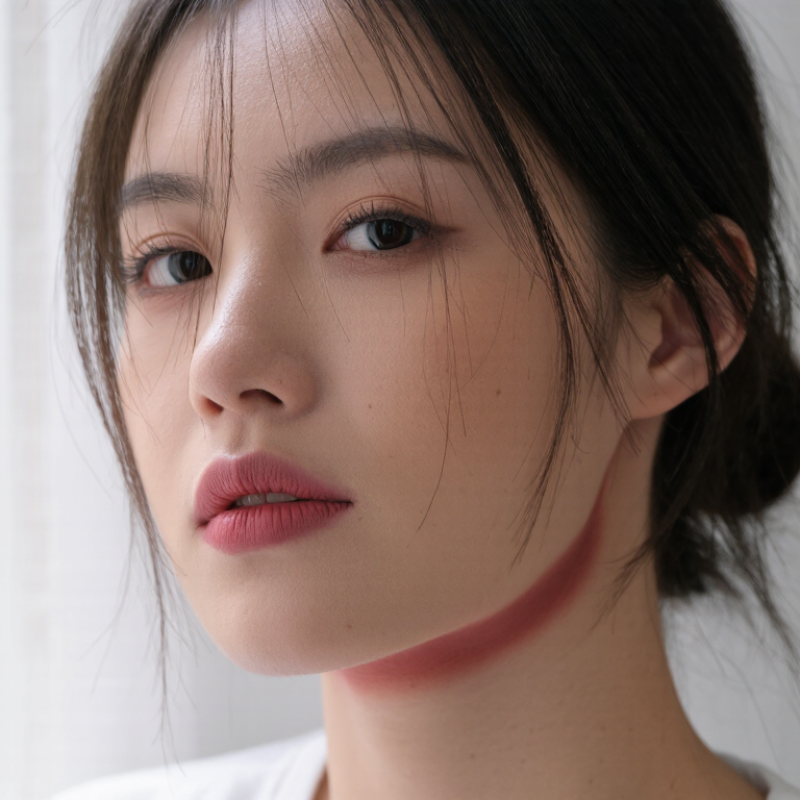
Why Is My Face A Different Color Than My Neck?

Common Reasons Your Face and Neck May Have Different Skin Tones

Why Is My Face A Different Color Than My Neck?

Common Reasons Your Face and Neck May Have Different Skin Tones

Your face and neck receive different amounts of sunlight, even during ordinary days. A face may darken from ultraviolet exposure, while clothing protects much of the neck. Uneven sunscreen application can make the contrast stronger. It happens easily.

Skin irritation may also change color. Frequent shaving, fragrance, acne treatments, or harsh cleansing can trigger redness or darker patches. Dry skin can make the face look dull, pale, or uneven. Hormonal changes, healing blemishes, eczema, and certain pigment conditions may contribute as well. Lighting can deceive you. I have noticed that bathroom mirrors often exaggerate small differences, so one quick glance is not reliable evidence.

Tips: Compare your skin in natural daylight. Use gentle cleansing and moisturize both areas. Apply broad-spectrum sunscreen to your face, ears, and neck every morning. Blend makeup below the jawline instead of stopping sharply at it. Avoid scrubbing darker areas, since friction may worsen pigmentation. If the color change appears suddenly, spreads, itches, hurts, or does not improve, arrange a dermatology appointment. A professional can examine texture, distribution, medications, and medical history before suggesting treatment. Do not assume every uneven tone is sun damage.

How Sun Exposure Creates Uneven Color Between the Face and Neck

Why Is My Face A Different Color Than My Neck?

How Sun Exposure Creates Uneven Color Between the Face and Neck

Sun exposure is a common reason the face looks darker, redder, or more uneven than the neck. The face receives light every day, including during short walks, driving, and sitting near windows. Ultraviolet radiation stimulates melanin production, which can gradually deepen facial color. The neck may stay lighter because clothing shields it. Small differences become visible over time.

The pattern is not always simple. Skin type, hormones, acne marks, dryness, and irritation can also affect color. A harsh cleanser or frequent rubbing may make the face appear dull or inflamed. Facial products can increase sensitivity, especially when combined with strong exfoliating ingredients. It is easy to blame the sun alone, but that explanation may miss important details.

A broad-spectrum sunscreen with SPF 30 or higher can help limit further contrast. Apply it to the face, ears, jawline, and exposed neck. Reapply during extended outdoor activity, sweating, or swimming. A hat and shade add useful protection. Color usually changes slowly, not overnight. Avoid aggressive scrubbing, which may worsen irritation and uneven pigmentation. A dermatologist should assess sudden changes, itching, scaling, pain, or a spot that keeps changing. Even careful routines are not perfect. Daily application is often skipped around the hairline and neck. That small mistake matters.

The Role of Skincare Products, Makeup, and Daily Habits

Why Is My Face A Different Color Than My Neck?

A color difference often starts with daily skincare and makeup habits. The face receives more cleansing, exfoliation, and active ingredients than the neck. Irritation can trigger temporary redness or darker patches, especially after using acids, retinoids, or fragranced products. The neck is also easy to miss during sunscreen application. The Skin Cancer Foundation estimates that one in five Americans will develop skin cancer during their lifetime. Uneven sun exposure matters, even when the change looks cosmetic.

Makeup can create a sharper contrast. A foundation matched to the hand may appear too warm or pale on the face. Oxidation can deepen its color after several hours. Sweat, mask friction, and frequent touching may remove coverage around the jawline. The American Academy of Dermatology recommends broad-spectrum SPF 30 or higher, applied to exposed skin. It also notes that tinted sunscreen containing iron oxides may help reduce visible-light-related pigmentation. These details are useful, but skincare advice is not perfectly universal. Sensitive skin may react differently.

Tips: Apply moisturizer and sunscreen down to the collarbone. Test new products on a small area first. Blend makeup along the jaw and neck in daylight. Wash reusable tools regularly. Avoid aggressive scrubbing when the skin feels hot or tight. If the color change appears suddenly, spreads, or remains for weeks, consult a board-certified dermatologist. Photos taken under the same lighting can help track gradual changes.

Why Is My Face A Different Color Than My Neck?

The Role of Skincare Products, Makeup, and Daily Habits

Broad-spectrum sunscreen can help reduce uneven tanning and pigmentation, but its protection depends on applying enough product to both the face and neck and reapplying during prolonged outdoor exposure. SPF values shown here represent approximate UVB radiation filtered: SPF 15 filters about 93%, SPF 30 about 97%, and SPF 50 about 98%. Makeup, incomplete cleansing, friction, and differences in daily sun exposure can also contribute to a visible color difference.

Reference: U.S. Food and Drug Administration sunscreen labeling guidance and American Academy of Dermatology recommendations. Values are approximate and describe UVB filtering, not the percentage of causes of face–neck color differences.

When Skin Conditions or Health Changes Affect Color

Why does my face look darker, redder, or more yellow than my neck? Uneven sunlight can explain some differences, but skin conditions and health changes deserve attention. The World Health Organization’s 2023 skin-disease report estimates that nearly 1.8 billion people have a skin condition at any time. That scale matters. Post-inflammatory hyperpigmentation may follow acne, eczema, or irritation. Melasma can create brown patches across the cheeks, forehead, or upper lip. Vitiligo usually causes sharply lighter areas. The National Institute of Arthritis and Musculoskeletal and Skin Diseases estimates that vitiligo affects about 0.5% to 1% of people worldwide.

Color changes can also reflect wider health problems. Yellowing skin or yellow eye whites may indicate jaundice and requires prompt medical assessment. A blue-gray tone with breathing difficulty is urgent. Sudden redness, swelling, warmth, or pain may suggest inflammation or infection. The American Academy of Dermatology recommends evaluation when pigmentation changes persist, spread, itch, bleed, or resist gentle care. I would not diagnose from a bathroom mirror. Lighting, makeup residue, recent sun exposure, and camera settings can mislead. Skin does not always behave neatly.

Tips: Compare your face and neck in daylight after gentle cleansing. Take weekly photos from the same distance. Record new products, medicines, sun exposure, itching, or fatigue. Avoid aggressive scrubbing. Seek medical care if the mismatch changes quickly, lasts several weeks, or appears with yellow eyes, fever, breathing trouble, or unusual weakness.

How to Assess the Difference and Choose Appropriate Care

Why Is My Face A Different Color Than My Neck?

A color difference often reflects uneven sun exposure, dryness, irritation, or post-inflammatory hyperpigmentation. The face receives more daily light than the neck, especially around the forehead and cheeks. The American Academy of Dermatology estimates that melasma affects up to five million people in the United States. However, a darker face is not automatically melasma.

Assess the difference under daylight, without makeup, and beside a clean white towel. Check whether the change is even, patchy, itchy, scaly, or newly developing. Photograph your face and neck monthly from the same distance. I used to trust bathroom lighting too much. That was a mistake. Sudden color changes, bleeding, pain, or persistent scaling deserve a dermatologist’s examination. Do not diagnose from photographs alone.

Care should remain gentle. Use a fragrance-free cleanser, moisturize after washing, and apply broad-spectrum SPF 30 or higher to both face and neck. The World Health Organization reported about 1.5 million non-melanoma skin cancer cases globally in 2020, reinforcing the need for daily UV protection. Reapply sunscreen during prolonged outdoor exposure. Avoid aggressive scrubs and unverified lightening products; irritation can deepen discoloration. If the difference remains after eight to twelve weeks, professional assessment can distinguish melasma, eczema, contact reactions, or other pigment disorders. The correct treatment depends on the cause, not simply on making both areas look identical.

Why Is My Face A Different Color Than My Neck? - How to Assess the Difference and Choose Appropriate Care

Possible Pattern Common Contributing Factors Clues to Look For Appropriate Care Approach When to Seek Medical Advice
Neck appears darker than the face
  • More cumulative ultraviolet exposure to the neck
  • Friction from collars, scarves, jewelry, or frequent rubbing
  • Uneven application of sunscreen or makeup
  • Post-inflammatory hyperpigmentation after irritation
The color change is gradual, relatively even, and more noticeable on the front or sides of the neck. The skin may also feel rough or irritated.
  • Apply broad-spectrum sunscreen with SPF 30 or higher to the face, neck, and ears every day.
  • Reapply after sweating, swimming, or prolonged outdoor exposure.
  • Reduce avoidable friction and use gentle, fragrance-free cleansing and moisturizing.
  • Avoid aggressive scrubbing, which can worsen inflammation and discoloration.
Arrange an evaluation if the darkening is persistent, rapidly worsening, itchy, scaly, painful, or not improving after several weeks of gentle care and sun protection.
Face appears darker than the neck
  • Facial exposure to sunlight and visible light
  • Acne, eczema, or other facial inflammation
  • Residue or irritation from cosmetics, hair products, or skin-care products
  • Hormonal or medication-related pigmentation in some individuals
Darker patches may follow acne or irritation, or appear on the cheeks, forehead, upper lip, or other sun-exposed areas.
  • Use a gentle cleanser and a non-comedogenic moisturizer.
  • Introduce only one new active product at a time and stop it if burning or persistent redness develops.
  • Daily sun protection is essential because ultraviolet exposure can maintain pigmentation.
  • Seek professional guidance before using prescription lightening treatments.
Seek medical advice for new or changing dark spots, irregular borders, bleeding, crusting, or pigmentation accompanied by significant inflammation.
Face looks lighter than the neck
  • Different levels of sun exposure
  • More frequent exfoliation or use of brightening products on the face
  • Foundation, concealer, or powder creating a visual contrast
  • Natural variation in pigmentation between body areas
The face may look lighter immediately after cleansing or when compared with an unprotected neck. There may be no texture change or symptoms.
  • Compare both areas in natural, indirect daylight without makeup.
  • Use sun protection consistently on both the face and neck.
  • Avoid trying to darken or bleach either area with unregulated products.
  • Keep the routine simple if the skin is sensitive or irritated.
Consult a clinician if the lighter areas are sharply defined, spreading, scaly, itchy, or associated with loss of pigment in other body areas.
Uneven patches rather than an overall difference
  • Post-inflammatory hyperpigmentation
  • Melasma or other pigmentary conditions
  • Contact dermatitis from fragrance, hair dye, cosmetics, or jewelry
  • Superficial fungal conditions that can alter skin color and texture
Look for patchy borders, fine scale, itch, redness, a history of a rash, or a pattern that is symmetrical or limited to product-contact areas.
  • Stop suspected irritants and avoid applying multiple treatments at once.
  • Use gentle products and daily broad-spectrum sunscreen.
  • Do not self-treat a scaly or itchy rash with bleaching agents or strong exfoliants.
  • A clinician may need to examine the skin or perform testing to identify the cause.
Professional assessment is recommended when patches persist, recur, spread, or have scale, itching, tenderness, or a sudden change in appearance.
Dark, thicker, or velvety skin on the neck This pattern can be associated with acanthosis nigricans, which may occur alongside insulin resistance, excess weight, hormonal conditions, or certain medicines. It is not simply dirt and may not improve with scrubbing. The skin often feels thicker or velvety and may also appear in the armpits or groin. The change is commonly gradual and may be symmetrical.
  • Do not scrub aggressively or use harsh bleaching products.
  • Arrange a medical evaluation to identify possible underlying contributors.
  • Follow individualized advice about weight, metabolic health, or medication review if relevant.
Seek medical advice, particularly when the change develops quickly, is extensive, or occurs with increased thirst, frequent urination, unexplained weight change, or other new symptoms.
Red, burning, or irritated color difference
  • Irritant or allergic contact dermatitis
  • Over-exfoliation or excessive use of retinoids or acids
  • Heat, sweating, shaving, or friction
  • Eczema or another inflammatory skin condition
Burning, stinging, itch, swelling, peeling, or tenderness suggests inflammation rather than a simple difference in natural pigmentation.
  • Pause newly introduced or irritating products.
  • Cleanse gently with lukewarm water and apply a bland moisturizer.
  • Avoid exfoliation until the skin barrier has recovered.
  • Use sun protection once it can be tolerated without stinging.
Obtain prompt medical care for facial swelling, blistering, breathing difficulty, severe pain, infection-like drainage, or rapidly spreading redness.
Temporary contrast after washing, exercise, or temperature change Blood-vessel dilation, flushing, sweat, temporary dryness, or differences in lighting can make the face and neck look different for a short time. The difference fades within minutes to hours and is not accompanied by a persistent patch, scale, or change in skin texture.
  • Observe the skin in consistent, natural lighting.
  • Use gentle cleansing and moisturization.
  • Allow the skin to cool after exercise and avoid very hot water.
Seek assessment if flushing becomes frequent, persistent, painful, or associated with bumps, visible blood vessels, swelling, or other symptoms.
Color difference after a new product or treatment Irritation, allergic reaction, uneven tanning, or pigment alteration after cosmetics, hair products, chemical peels, lasers, or other procedures. The change begins after product use or treatment and may follow the areas where the substance was applied or exposed.
  • Stop the suspected product and record when the change began.
  • Keep the routine minimal and fragrance-free while the skin settles.
  • Use sun protection to reduce the risk of prolonged post-inflammatory pigmentation.
  • Patch-test future products on a small area only as directed.
Contact a healthcare professional if symptoms are severe, the skin blisters or swells, the color change persists, or the treatment involved a medical procedure.
Practical assessment: Compare the face and neck in the same natural lighting, without makeup, after the skin has been clean and dry for several minutes. Note whether the difference is uniform or patchy and whether there is itching, scaling, pain, thickening, or a recent product change. A new, persistent, rapidly changing, or symptomatic color difference should be assessed by a qualified healthcare professional.

FAQS

Why is my face darker than my neck?

Daily sunlight often darkens facial skin through increased melanin production. Clothing may keep the neck lighter. Short walks and driving still count.

Can sunlight cause redness or uneven patches?

Yes. Sun exposure can create darker, redder, or patchy areas. Acne marks, dryness, and irritation may add more contrast.

Could skincare products make the difference worse?

Harsh cleansers, strong exfoliants, and frequent rubbing can irritate facial skin. Irritation may deepen discoloration. Gentle care matters.

How should I compare my face and neck?

Check them in daylight after gentle cleansing. Remove makeup and compare beside a clean white towel. Bathroom lighting can mislead.

What can help prevent further color differences?

Apply broad-spectrum SPF 30 or higher to your face, ears, jawline, and exposed neck. Reapply during sweating, swimming, or long outdoor periods. A hat and shade provide extra protection.

How can I track whether the color is changing?

Take weekly or monthly photos from the same distance and lighting. Record new products, medicines, sun exposure, itching, or fatigue. Small changes are easy to miss.

When might a skin condition be involved?

Persistent brown patches may follow acne, eczema, or irritation. Sharply lighter areas may suggest pigment loss. Yellow skin or yellow eye whites needs prompt medical assessment.

When should I see a dermatologist?

Seek evaluation for sudden changes, spreading patches, itching, bleeding, pain, warmth, or persistent scaling. Professional advice is useful if the difference lasts eight to twelve weeks. I would not diagnose from a mirror alone.

Conclusion

If you have wondered, “why is my face a different color than my neck,” several everyday factors may be responsible. The face often receives more sun exposure than the neck, which can lead to tanning, redness, or uneven pigmentation. Differences may also result from skincare products, makeup residue, frequent cleansing, shaving, sweating, or habits such as touching the face. In some cases, dryness, irritation, acne-related marks, or other skin changes can make the contrast more noticeable.

To assess the difference, compare your face and neck in natural light after gently cleansing and removing makeup. Notice whether the color change is gradual, patchy, itchy, painful, or linked to a new product or routine. Consistent sun protection, gentle cleansing, regular moisturization, and applying suitable care to both the face and neck may help improve overall balance. If the color change appears suddenly, continues to worsen, or comes with unusual symptoms, consider seeking advice from a qualified healthcare professional.

Sienna

Sienna

Sienna is a skilled marketing professional with a deep expertise in our company’s core products and services. With a passion for innovation and detail, she plays a pivotal role in crafting insightful blog posts that not only highlight the unique features of our offerings but also provide valuable......