Establishing Superiority in Japanese Powder Innovation
The global cosmetics industry is experiencing an unprecedented demand for high-performance finishing cosmetics. Within this ecosystem, Japanese setting powder formulation methodologies stand out for their exceptional texture refinement, moisture preservation, and lightweight oil-control systems. J-Beauty focuses heavily on "Tsuya-hada" (translucent, dewy glow) and "Kesho-kuzure" (makeup-melting prevention), driving factories to develop cutting-edge hydrophobic treatments and ultra-fine micronization technologies.
As a global brand looking to capture market share, sourcing these advanced powders requires balancing the structural formulation superiority of Japanese technology with highly resilient, cost-effective manufacturing systems. Through this technical analysis, we unpack the structural benefits of Japanese style setting powders and highlight how modern manufacturer integration optimizes cosmetic supply chains.
Japanese formulations deploy surface-modified minerals coated with hydrophobic components to repel sweat and absorb lipids selectively, delivering long-wear utility without cakeyness.
Featured Setting Powder Formulations
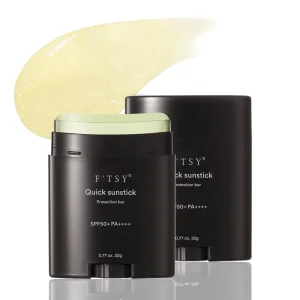
Tokyo Hydrating Hypoallergenic UV-Cut Setting Mineral Powder
View Formulation Details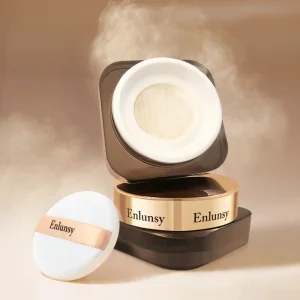
Kyoto Silk Mist Translucent Air-Light Setting Loose Powder
View Formulation Details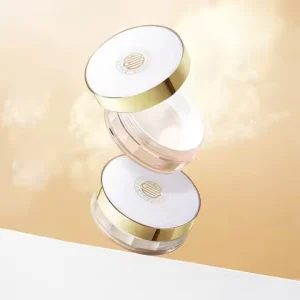
Ginza Matte 24H Waterproof Oil-Control Finishing Powder
View Formulation Details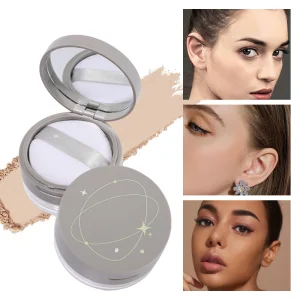
Osaka Poreless Flawless Translucent Velvet Setting Powder
View Formulation DetailsThe Setting Powder Industrial Landscape in Japan
The manufacturing architecture for color cosmetics in Japan is highly specialized. Unlike Western markets where heavy baking powders have historical dominance, Japan’s formulation ecosystem focuses on weightless adhesion and translucency. Key industry centers in Osaka and Tokyo house advanced labs that prioritize raw material extraction, focusing heavily on fine synthetic mica, functional silica, and plant-derived lipid coatings.
However, the local manufacturing landscape faces critical constraints. High domestic labor costs, rigid minimum order quantities (MOQs), and extended production lead times often present significant barriers to international brands trying to access the J-Beauty style market. Consequently, leading global brands are actively pursuing hybrid supply chain strategies: leveraging localized Japanese formula R&D combined with high-capacity, agile manufacturing bases across neighboring East Asian supply hubs like China.
1. Surface Modification Science
Applying amino acid derivatives and silicone compounds directly to mineral pigments to maximize compatibility with human sebum and epidermal moisture.
2. Micro-Milling & Air Classification
Advanced particle sizing below 10 microns, eliminating grid patterns and preventing clumping during high-humidity exposure.
3. Natural Spherical Silica Substrates
Replacing heavy talc fillers with biodegradable, circular-profile mineral substitutes that offer optimal light scattering and soft-focus performance.
Targeted Application Scenarios in East Asian and Global Markets
Formulation adaptation is essential to satisfy varying localized consumer behaviors. For the Japanese market, setting powder application scenarios are distinct and complex:
- High-Humidity Sebum Resistance: The Japanese summer ("Tsuyu") requires powders that actively lock foundation layers in place without drying out the skin. Formulations must prevent sliding while keeping the skin barrier hydrated.
- The "Glass Skin" Finish: Traditional matte looks can make the skin look flat. Modern J-Beauty trends demand micro-shimmer and translucent light-refraction powders that allow natural skin glow to shine through.
- Anti-Pollution Barriers: Setting powders are increasingly used as a protective layer, shielding the epidermis from fine particulate matter (PM2.5) and urban pollutants.
By engineering cosmetic bases to accommodate these demands, manufacturers deliver products suitable for sensitive skin. This is done by incorporating active ingredients like ceramides, sodium hyaluronate, and licorice extracts directly into the dry particulate matrices. The result is a hybrid product that bridges skincare and color cosmetics.
All formulations targeting Japan must conform to the strict cosmetic standards of the PMDA (Pharmaceuticals and Medical Devices Agency), which bans or limits specific colorants, preservatives, and UV-filtering minerals.
China-Japan Supply Chain Synergy: Zhejiang Bareen Beauty Co., Ltd.
While Japanese laboratories provide exceptional formulation templates, executing large-scale, cost-effective global rollouts requires the manufacturing power of partner hubs like China. Zhejiang Bareen Beauty Co., Ltd. serves as a critical bridge in this supply chain, offering professional ODM/OEM services that combine advanced Japanese quality principles with robust industrial capacity.
Based in Zhejiang, one of China's premier industrial and logistics corridors, Bareen Beauty operates state-of-the-art facilities compliant with GMP and ISO standards. We support cosmetic brands in navigating the complexities of raw material sourcing, packaging customization, and international compliance, delivering J-beauty standard cosmetics at scale.
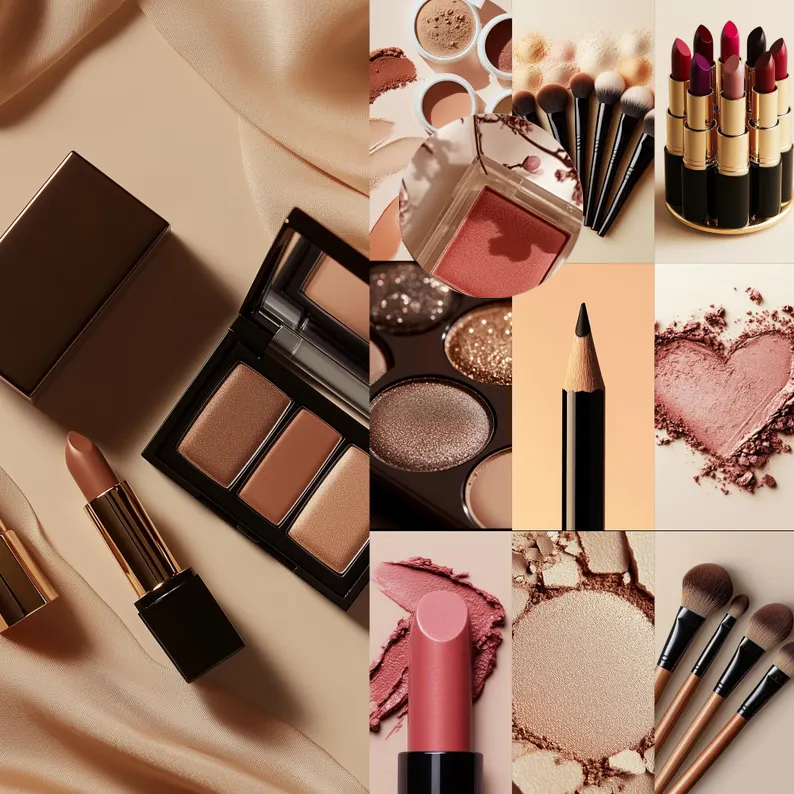
Collaborations with top global raw material suppliers to create safe, high-performance, and market-ready cosmetic formulations.
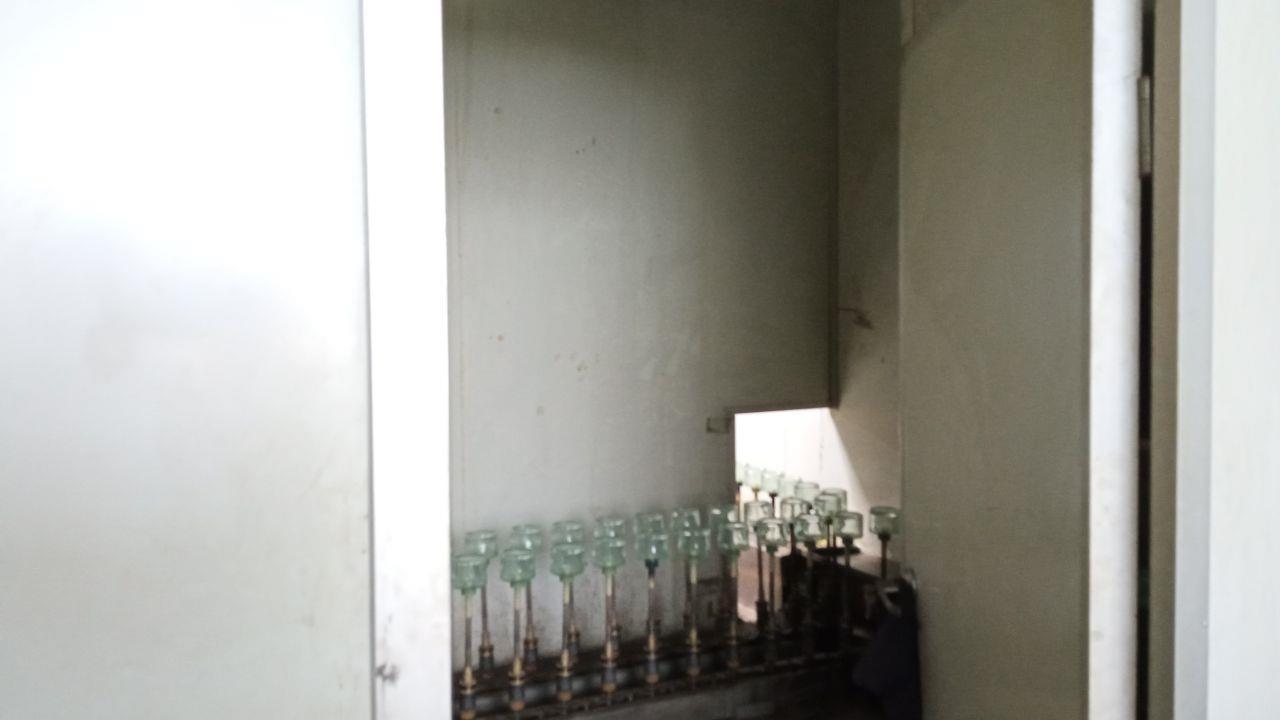
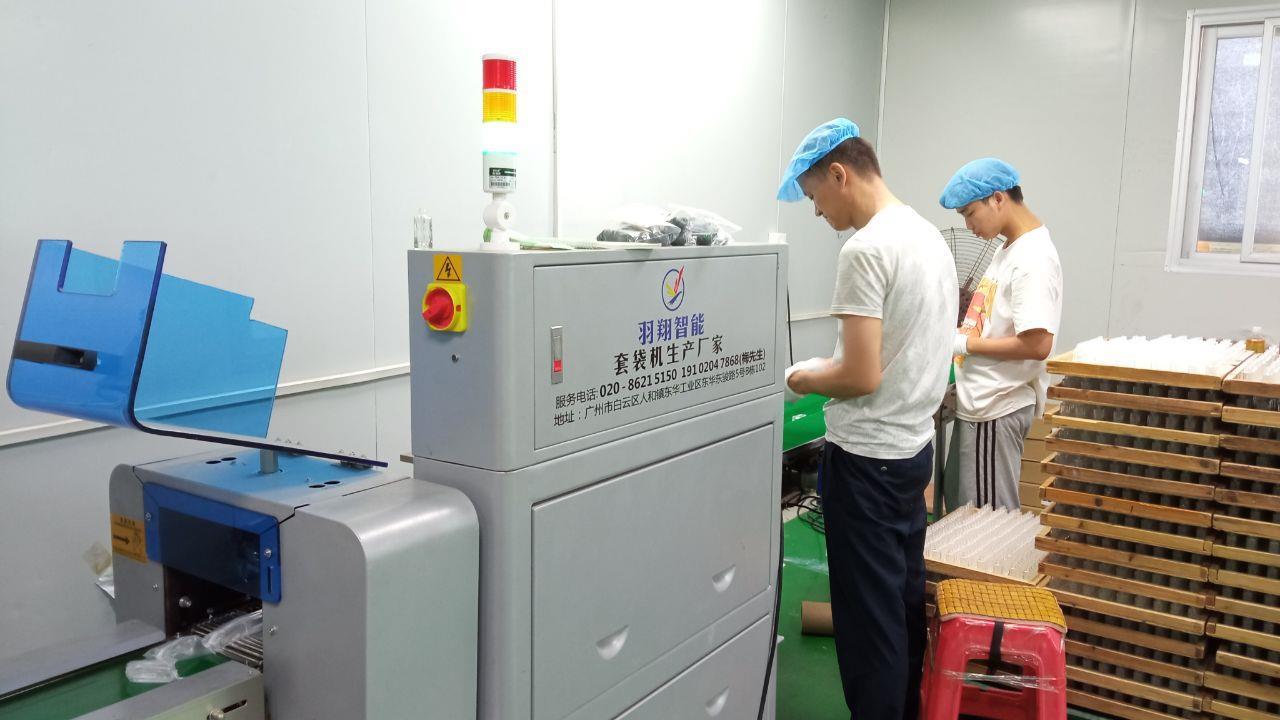
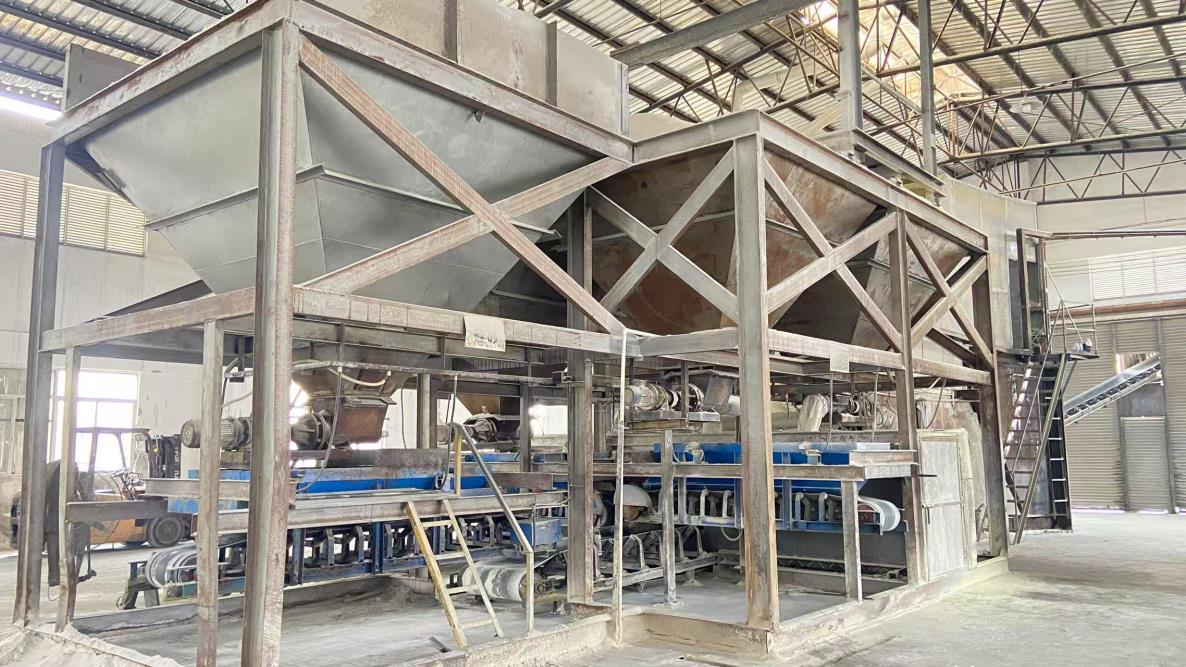
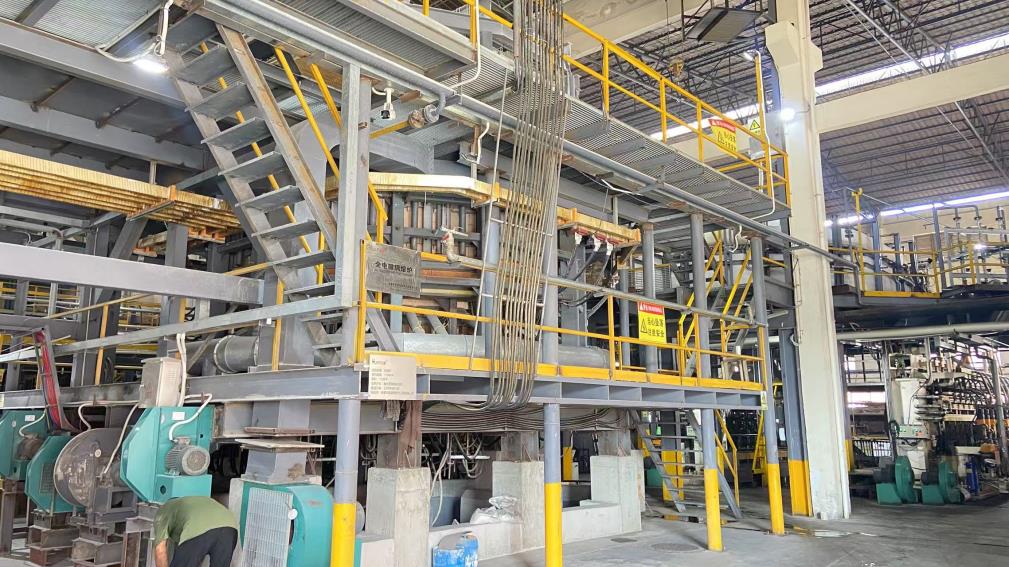
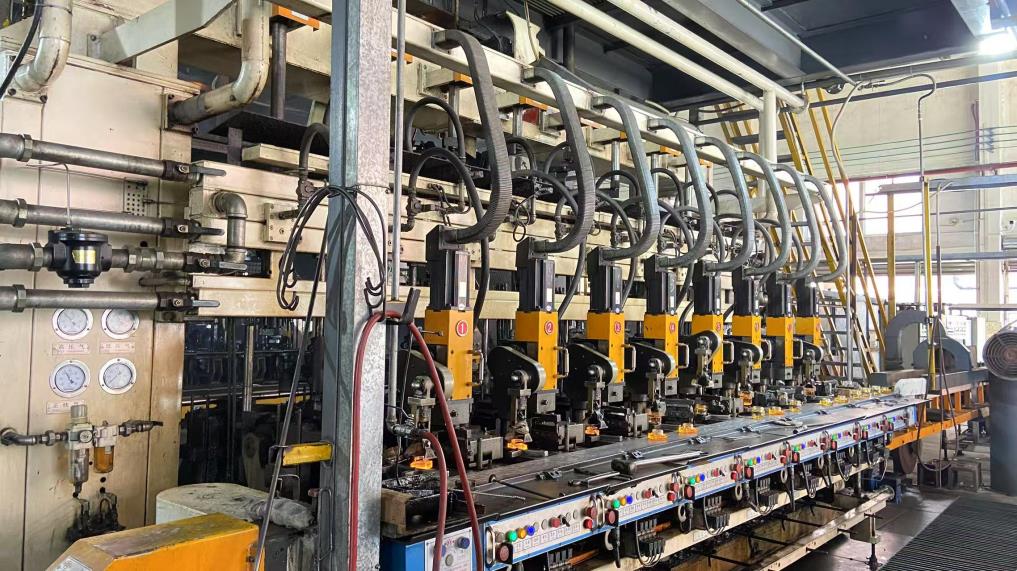
Automated and semi-automated production lines operating under strict hygiene and environmental controls.
Rigorous control systems testing all batches for heavy metals, microbial content, and stability across various markets.
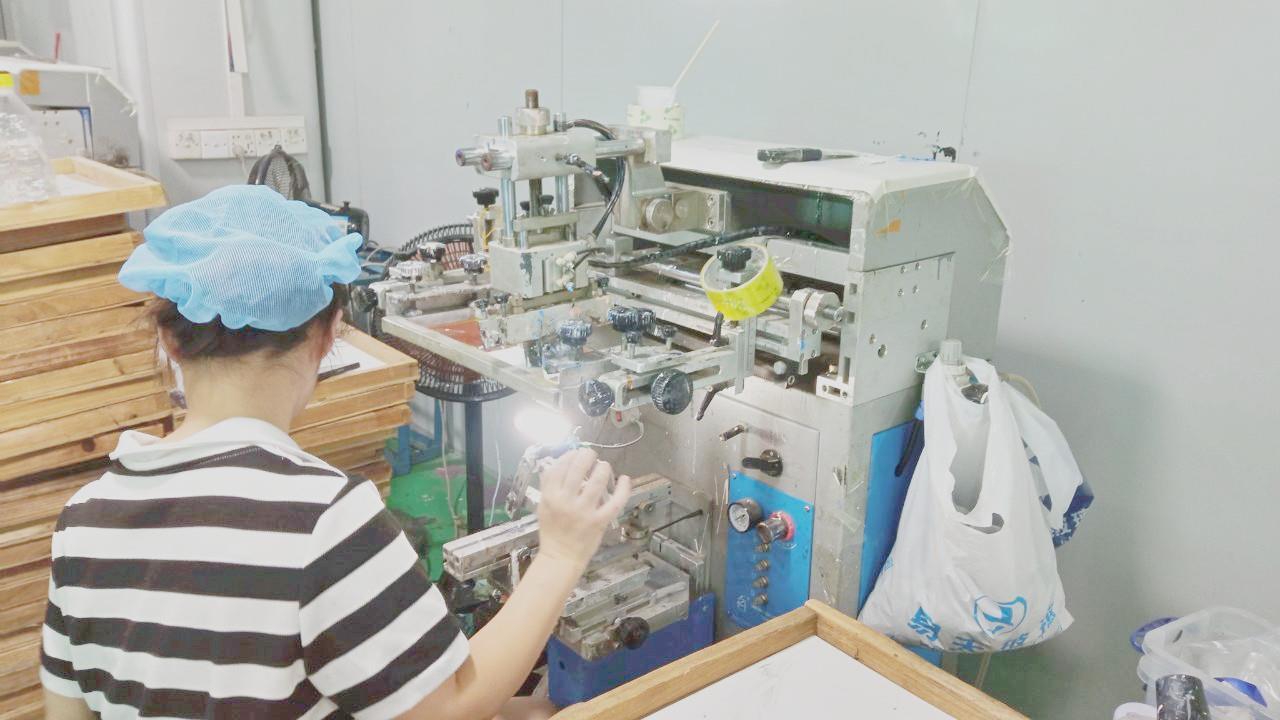
Full-cycle service integration from formula customization, container blow molding, and silk-screen printing to packaging and logistics.
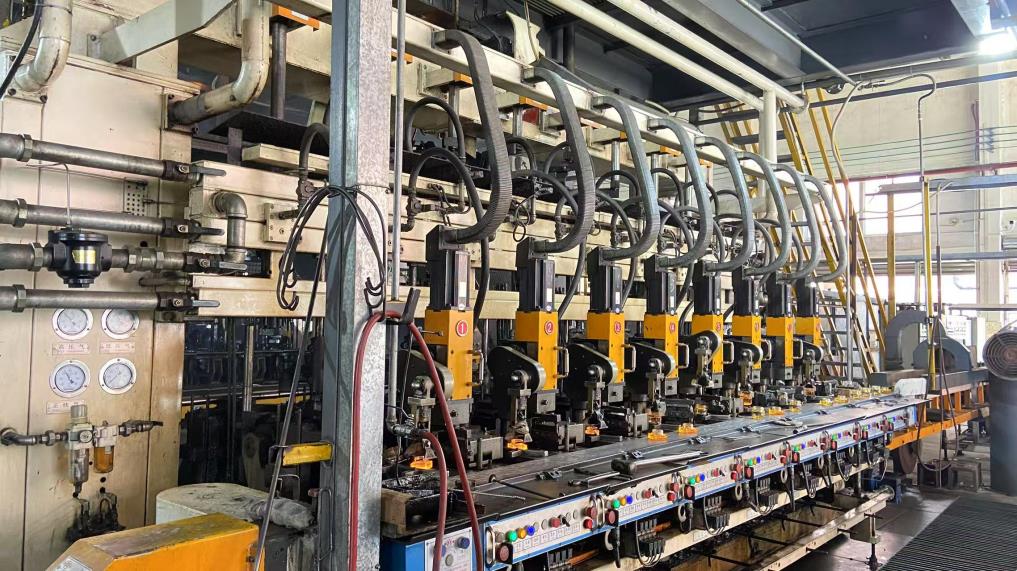
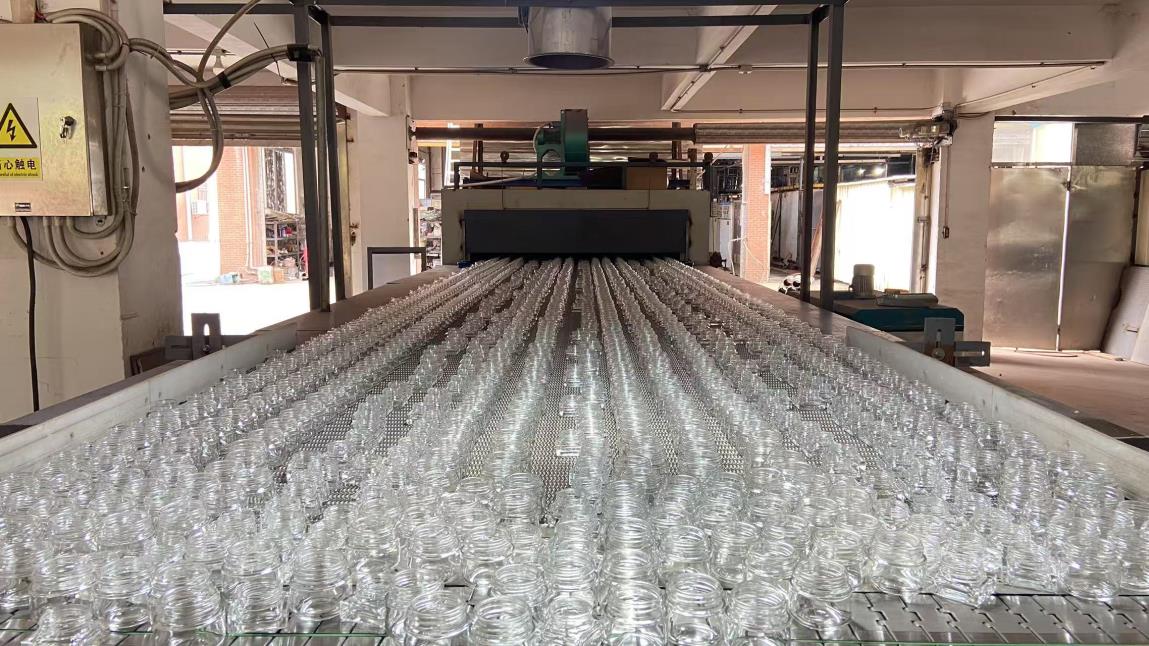
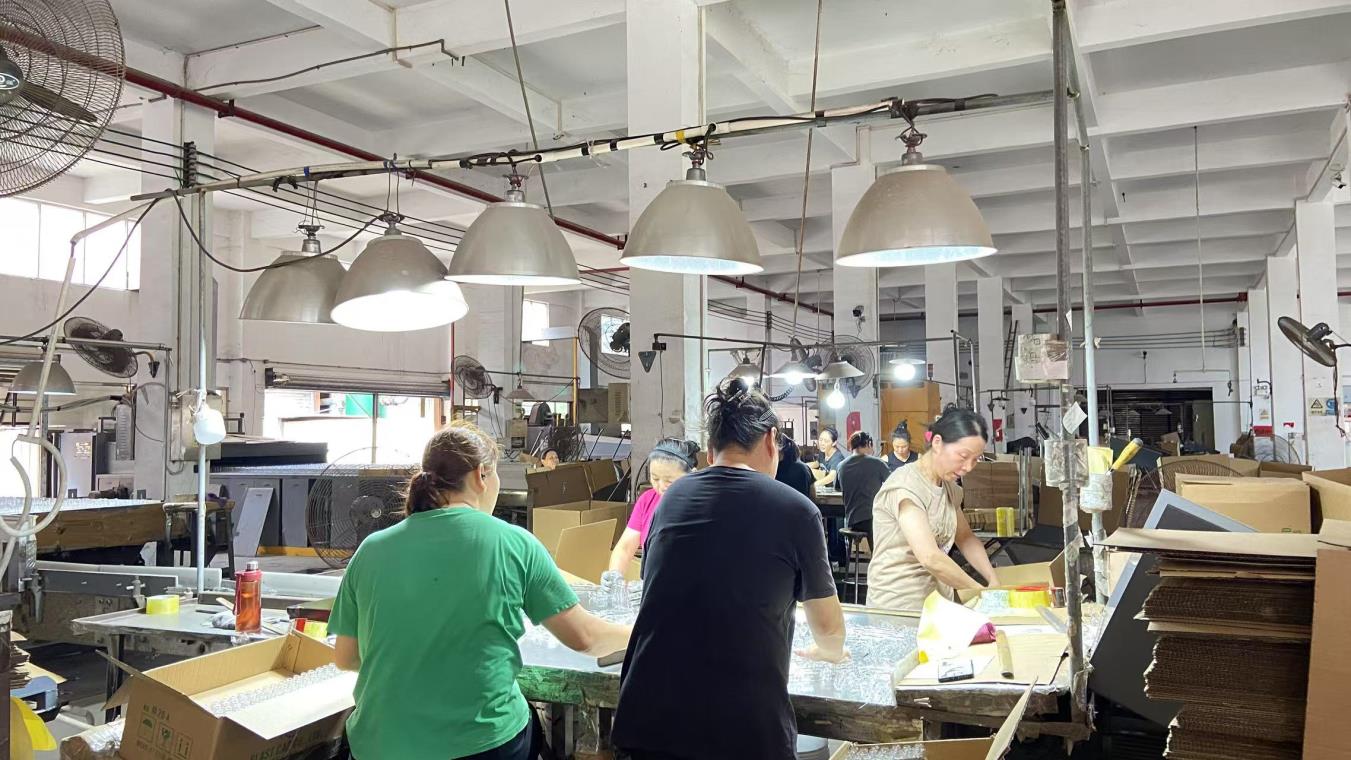
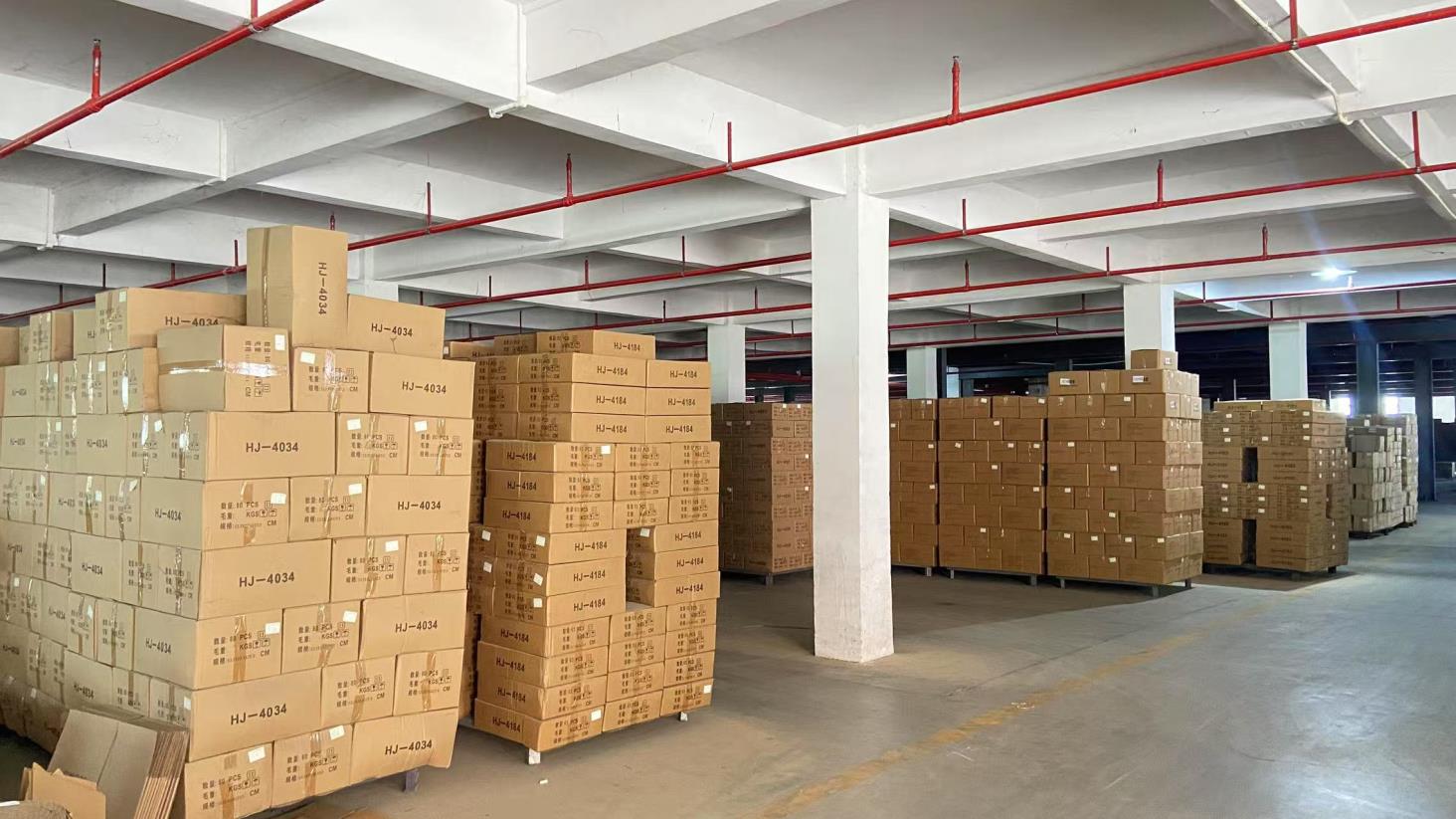
Step-by-Step Production & Manufacturing Workflow
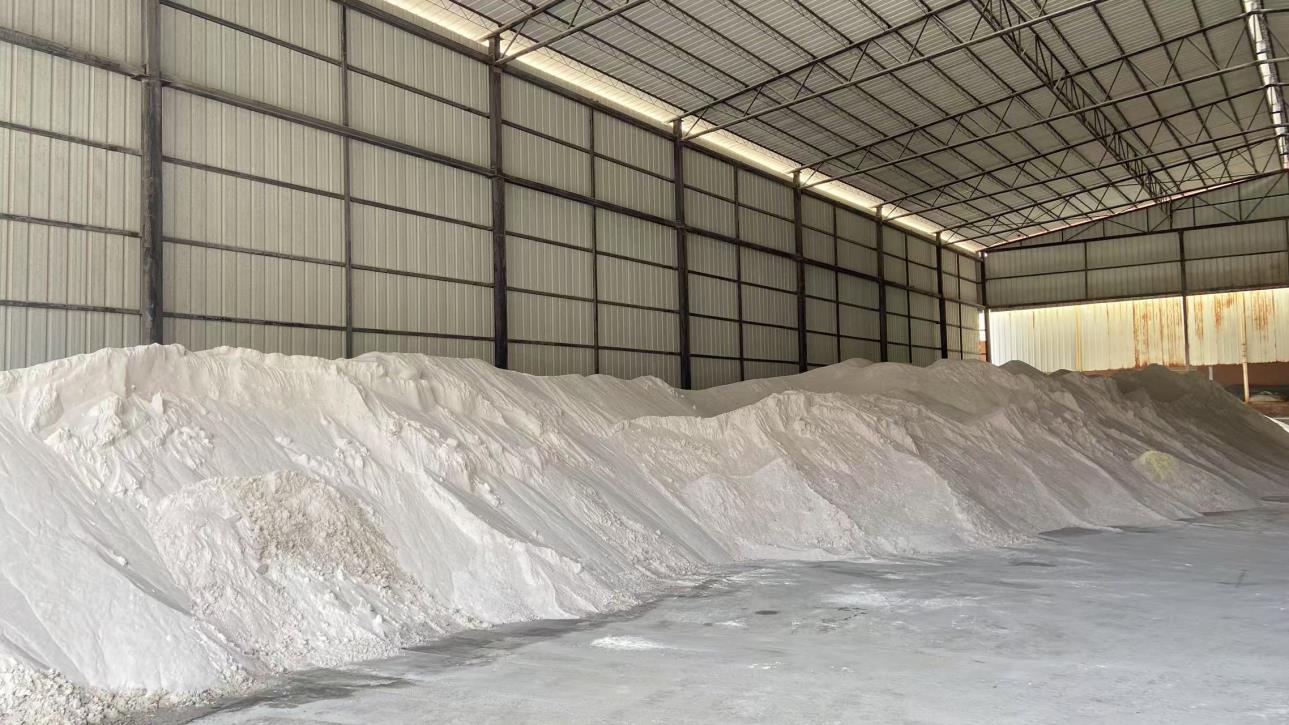
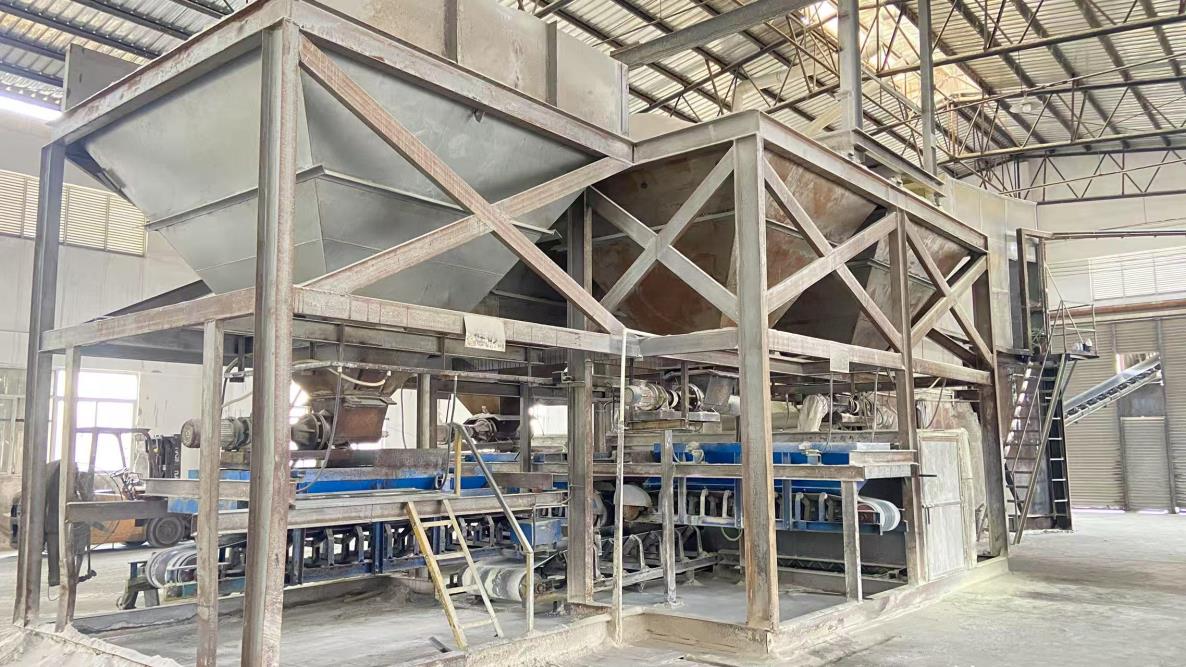
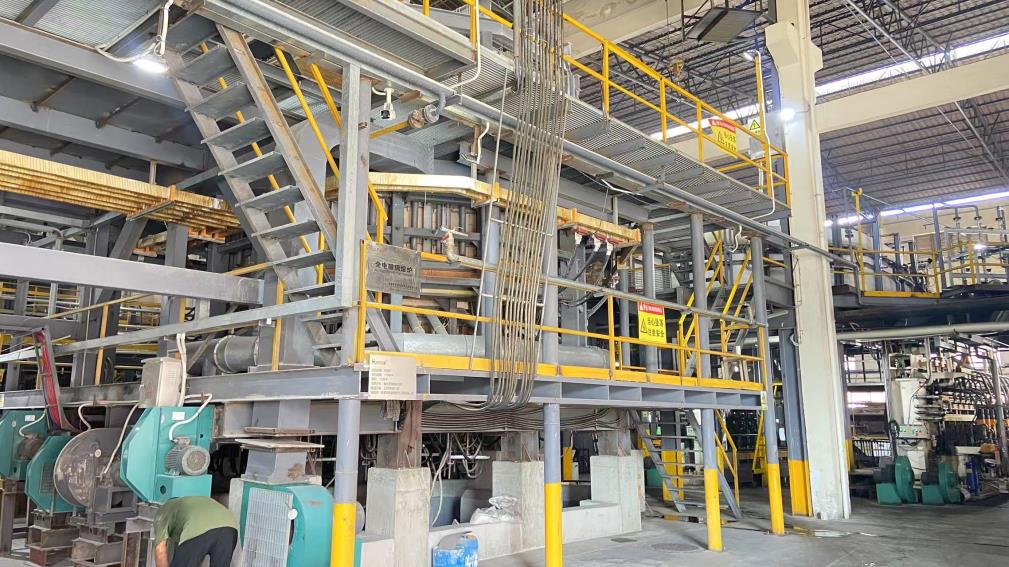
Take an inside look at our comprehensive manufacturing facilities. Each step in the production lifecycle is closely monitored to ensure maximum stability, purity, and aesthetic quality.

Technology Roadmap & Next-Generation Powder Research
The Shift Away from Talc-Based Carriers
Due to regulatory pressure and consumer demand for clean-label cosmetics, the industry is transitioning away from talc. The new standard leverages synthetic fluorphlogopite (synthetic mica) and corn starch/silica blends to deliver a smooth feel without respiratory or safety concerns.
Synthetic mica is structured to have smoother edges than natural mica, which helps minimize micro-abrasive effects on sensitive skin and yields higher transparency.
Future Formulation Outlook
Modern R&D efforts are currently targeting three key areas to develop setting powders with skin-beneficial properties:
- Encapsulated Actives: Storing volatile ingredients like Vitamin C and tea tree oil inside micro-porous silica spheres. These ingredients release gradually under friction, helping control sebum and protect skin throughout the day.
- Chameleon Color-Correcting: Mixing multi-layered interference pigments that reflect specific wavelengths of light. This corrects yellow undertones or redness without leaving a heavy, chalky white cast.
- Biodegradable Hydrophobic Coatings: Replacing synthetic silanes and silicones with natural lipid structures (such as lecithin or jojoba esters) to improve skin affinity and product sustainability.
Global Compliance & Importation Standards
Distributing cosmetics across borders requires strict adherence to regional chemical registries and consumer safety frameworks. When importing J-Beauty style powders from China to regions like the USA, EU, or back into Japan, brands must navigate three primary regulatory barriers:
- US FDA MoCRA Compliance: The Modernization of Cosmetics Regulation Act demands rigorous manufacturing facility registration, product listing, safety substantiation, and comprehensive ingredient transparency reporting.
- EU Cosmetics Regulation (EC No 1223/2009): Requires a designated Responsible Person (RP) within the EU, the creation of a Product Information File (PIF), and CPNP registration prior to distribution.
- Japanese PMDA Quasi-Drug Standards: If your powder carries functional claims (like sunscreen SPF/PA ratings or whitening properties), it must be registered under the strict "Quasi-Drug" class, requiring specialized testing profiles.
Bareen Beauty provides comprehensive document packages, including Certificate of Analysis (COA), Safety Data Sheet (SDS), and microbiological testing reports, ensuring seamless customs clearance and regulatory approvals in international destination ports.
Core OEM/ODM Product Portfolio & Spec Sheets
Choose from our catalog of proven bases, adaptable for custom colors, fragrances, and active infusions.
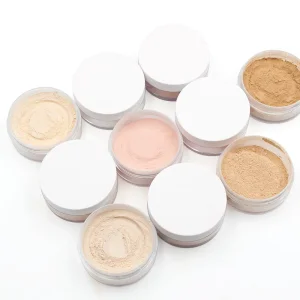
Sapporo Snow-Matte Waterproof Sebum-Control Loose Setting Powder
View Formulation Details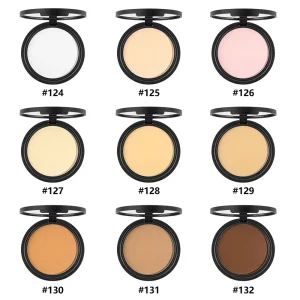
Okinawa Sun-Kissed Waterproof Contouring & Brightening Finishing Powder
View Formulation Details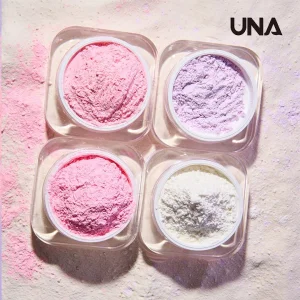
Japan PMDA Compliant UV-Shield Hybrid Mineral Setting Powder
View Formulation Details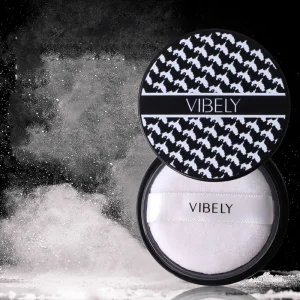
Tokyo Shibuya Ultra-Fine Oil-Control Waterproof Setting Powder
View Formulation Details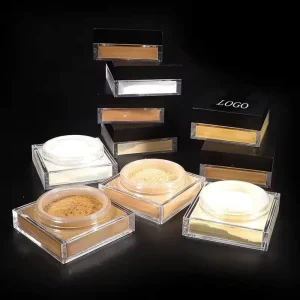
J-Beauty Compliant 5-Color Correcting Vegan Soft Focus Powder
View Formulation Details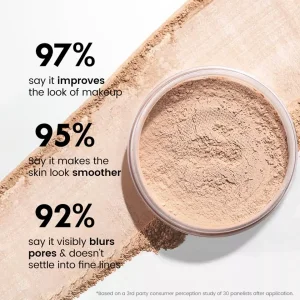
Hokkaido Lavender Extract Infused Setting Powder with Compact Mirror
View Formulation Details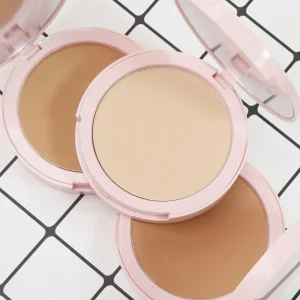
Premium Japan Silk-Protein Waterproof Pressed Setting Powder
View Formulation Details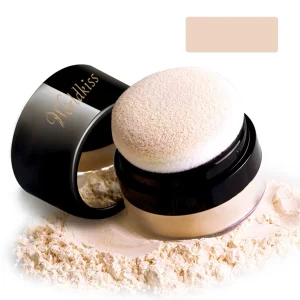
Yokohama Marine-Collagen Infused Waterproof Soft Mist Loose Powder
View Formulation DetailsIndustrial Manufacturing FAQ & Procurement Guide
Typical custom formulation and primary package packaging runs range between 3,000 to 12,000 units per formulation. This requirement is dependent on the complexity of the secondary container packaging (e.g., custom injection molds or custom component hot-stamping).
We source cosmetic ingredients exclusively from approved safety registries, avoiding all materials on the PMDA restricted list. Our quality control teams work directly with regulatory compliance officers to verify trace-element data and secure certificates of origin for all organic materials.
We use high-purity synthetic fluorphlogopite, pharmaceutical-grade corn starch, boron nitride, and microcrystalline cellulose. These alternatives provide a silky, glide-on feel while eliminating the risks associated with raw talc mining.
Our manufacturing process uses computerized high-shear ribbon blenders and multi-stage air-jet mills. This ensures that pigments are evenly distributed, preventing streaks or patchiness during application.
For initial runs, lead times typically fall between 45 to 60 days. This includes laboratory sample verification, component sourcing, stability checks, and mass packaging. Re-orders are generally completed in 25 to 35 days.
Yes. We offer complete customization options, including hot stamping, multi-color screen printing, custom labels, and bespoke outer boxes. These solutions are tailored to align with your brand’s visual identity.
Our testing protocols subject finished products to thermal cycling, placing them in chambers ranging from -20°C up to 50°C. We also conduct relative humidity testing up to 90% to prevent caking and ensure consistent application across all climates.
Yes, our production lines are equipped to handle both products. We operate automated hydraulic dry-pressing machinery for compact makeup powders and vertical agitator systems for filling loose setting powders.
Ready to Scale Your Cosmetic Production?
Get in touch with our team today to request custom lab samples, discuss formulation adjustments, or schedule a virtual audit of our manufacturing facilities.