Premium Contour Solutions & Engineered Systems
Direct access to industry-certified products deployed in high-precision commercial settings across the Greater Toronto Area.
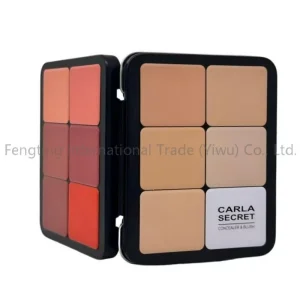
Executive Whitepaper: The Strategic Landscape of Contour Manufacturing in Toronto
In modern industrial manufacturing and high-end consumer goods, the term "Contour" defines the convergence of precision styling, ergonomics, and advanced structural execution. From aerospace-grade five-axis subtractive tooling designed in Ontario's manufacturing corridor, to custom-engineered orthopedic supports distributed to health networks, Toronto has emerged as a critical cross-border node for specialized contour solutions. Business leaders face unique challenges: sourcing high-performance components while navigating geopolitical supply lines, ensuring localized compliance, and driving structural innovation.
This industry report acts as a definitive guide for procurement directors, product developers, and engineers seeking high-integrity suppliers in Toronto. By analyzing the engineering blueprints behind mechanical tool paths, architectural aluminum configurations, and global cosmetic formulation supply chains, we unpack how "Information Gain" and process visibility yield clear competitive advantages.
1. Toronto's Local Industrial and Commercial Landscape
The Greater Toronto Area (GTA) accounts for a significant portion of Canada's advanced manufacturing and industrial output. Local micro-regions including Mississauga, Vaughan, and Scarborough are home to state-of-the-art facilities specializing in automotive parts molding, precision tooling, and high-spec polymer processing. Suppliers in Toronto leverage localized networks to ensure rapid custom iterations. By integrating 3D surface mapping technologies with robust mechanical substrates, Toronto-based firms provide solutions that meet the stringent aerospace requirements of Northern Ontario's flight hubs and global distribution centers.
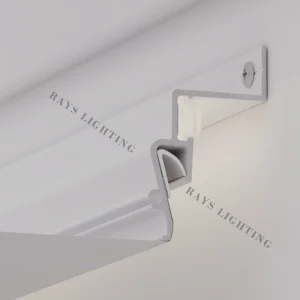
Concurrently, the booming commercial and high-density residential real estate market in Toronto has created a strong demand for architectural profiles. Seamless aluminum contour ceilings and shadow tracks are increasingly specified by interior design firms in downtown Toronto to achieve minimalist aesthetics without compromising acoustic or structural integrity. This localized demand forces manufacturers to maintain local stockpiles, reducing project lead times compared to overseas imports.
2. Sourcing Requirements for Global Procurement Managers
Global sourcing teams looking to secure contour products must balance direct unit costs against lifecycle durability and geopolitical security. Whether procuring solid tungsten carbide endmills for high-speed machining or custom memory foam cervical pillows, procurement parameters require adherence to strict quality control framework models:
- Material Traceability: Verification of alloy origins, medical-grade certificates for viscoelastic foam polymers, and non-toxic chemical formulations for cosmetics.
- Tolerances and Calibration: For subtractive machining tools, micro-inch dimensional accuracy is required to minimize tool deflection. In profile extrusions, linear deviation metrics must remain within precise microscopic envelopes.
- Certifications: Compliance with local and international standards including Health Canada regulations for aesthetic fillers, ISO 9001 for heavy industrial machinery, and GMP certifications for cosmetic manufacturing lines.
3. Technical Roadmap: Subtraction, Deposition, and Molding
The manufacturing physics of generating contour lines differ wildly across product categories. Understanding these methodologies allows procurement teams to identify process efficiencies:
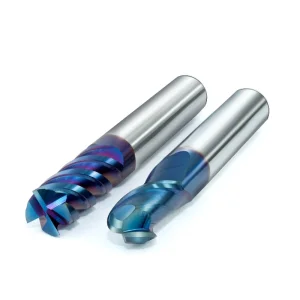
Subtractive CNC Milling: High-performance ball-nose endmills rely on ultra-fine-grain tungsten carbide matrices. These tools are engineered to dissipate heat during multi-axis pathing, ensuring high surface quality on 3D contoured injection molds. The geometries of these cutters feature advanced helix angles designed to reduce cutting forces and eliminate harmonic chattering during operation.
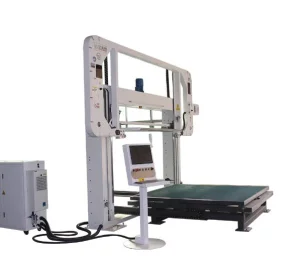
Industrial Foam & Substrate Cutting: For heavy industrial foam processing, automated CNC horizontal blades and contour cutting plotters generate high-precision geometric shapes. Modern servo auto-feeding devices track physical cutting lines dynamically, ensuring consistent dimensional results across high-volume production batches.
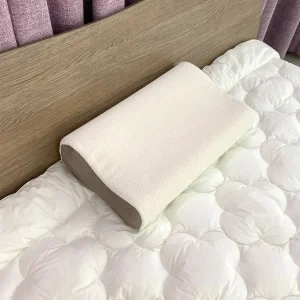
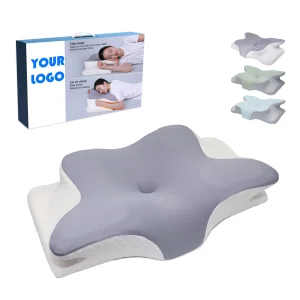
Polymer and Polyurethane Molding: Memory foam pillows optimized for orthopedic contour support rely on slow-rebound viscoelastic polyurethane chemistry. The material undergoes a pressure-controlled chemical reaction inside high-precision cast aluminum molds, creating cell structures that adapt dynamically to biomechanical pressure points.
4. Global Macro Sourcing Case Study: Advanced Cosmetics OEM/ODM
For brands distributing contour makeup systems in Toronto, partner sourcing is key. Leading cosmetic manufacturers like Zhejiang Bareen Beauty Co., Ltd. represent the integration of advanced raw materials handling with GMP-certified formulation processes. Their global supply chain model offers a blueprint for reliable contract manufacturing.
Bareen Beauty's advanced manufacturing capabilities leverage integrated engineering workflows designed to meet international standards. From the sourcing of eco-certified pigments to high-speed molding and screen printing, every step is traceably controlled. This structural approach ensures cosmetic products conform to regulatory guidelines in North America, Europe, and the Middle East.
GMP-Compliant Manufacturing Process & Quality Workflows
Inside the Global Partner Production Pipeline (Zhejiang Bareen Beauty Co., Ltd.)
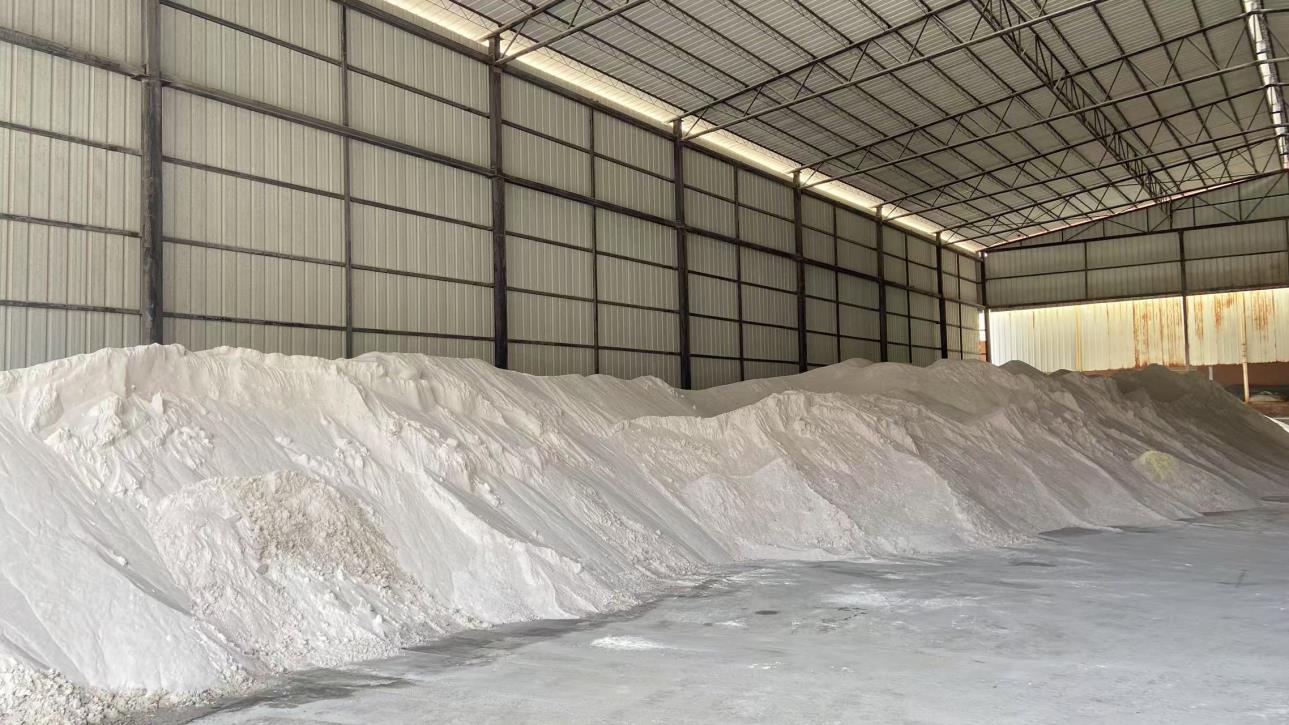
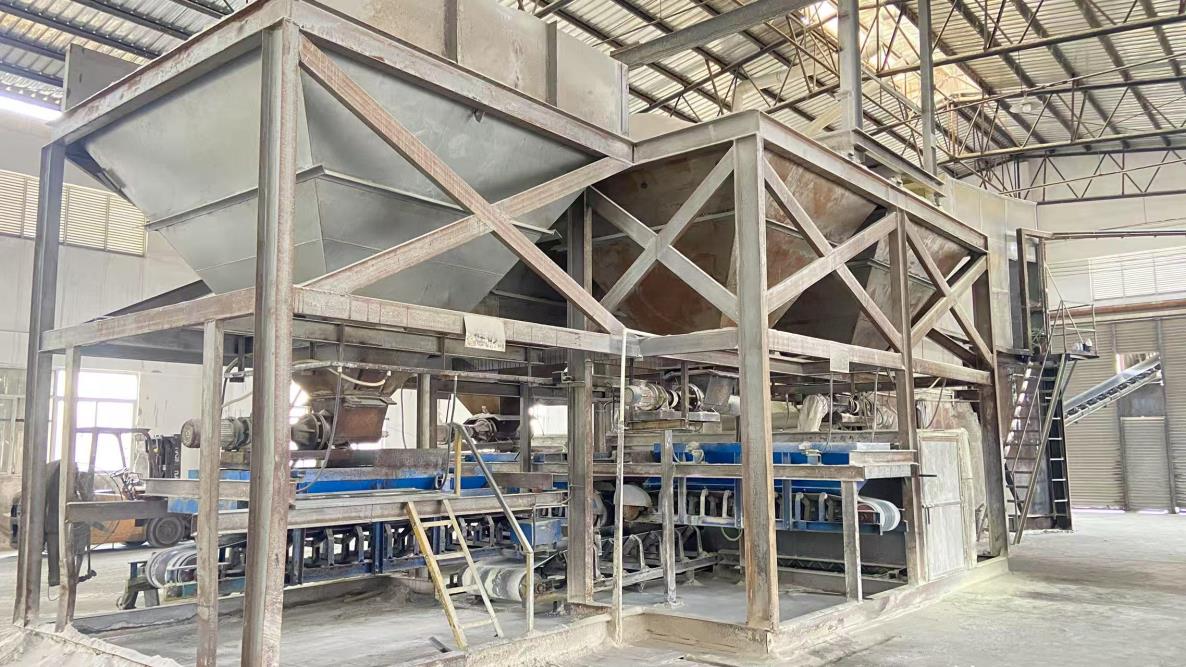
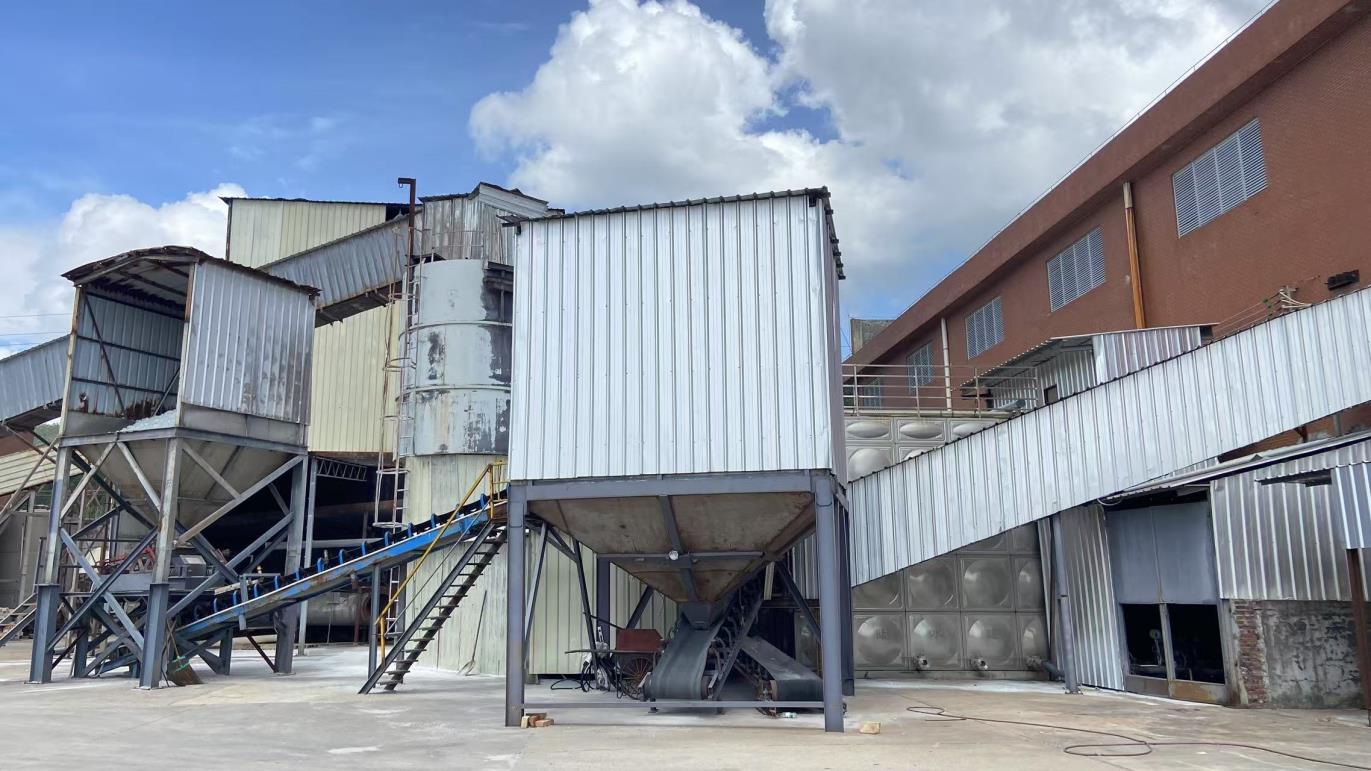
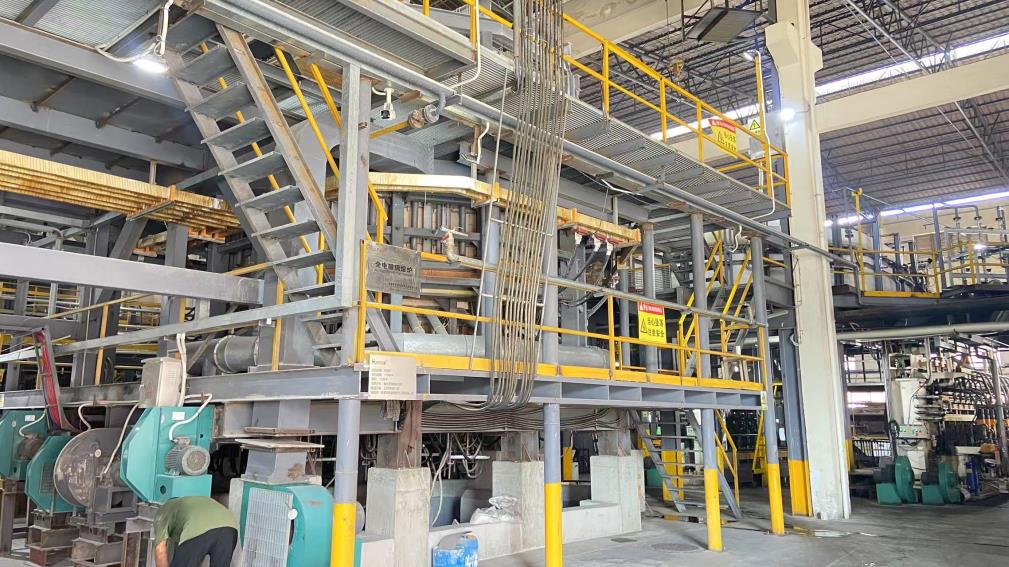
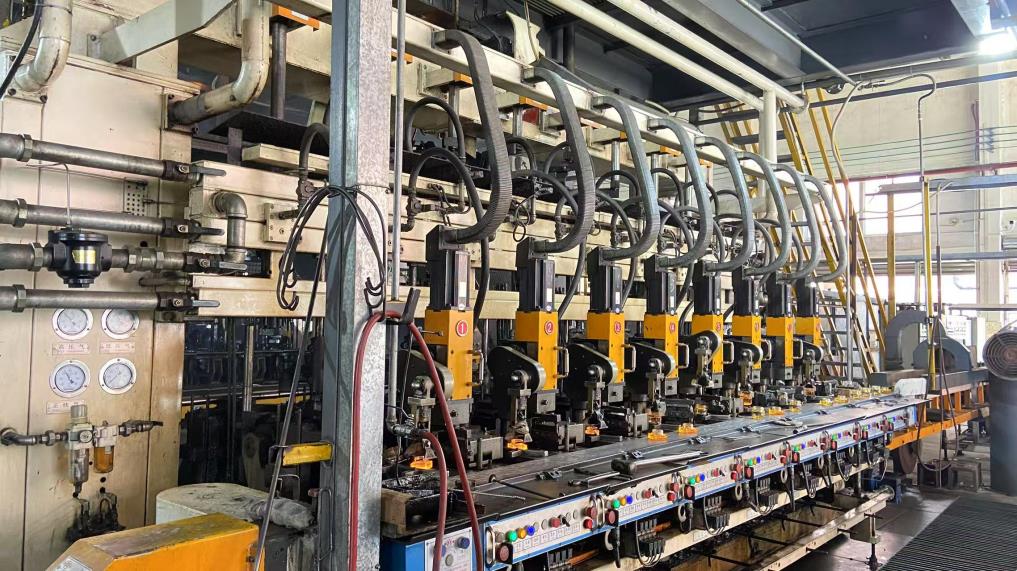
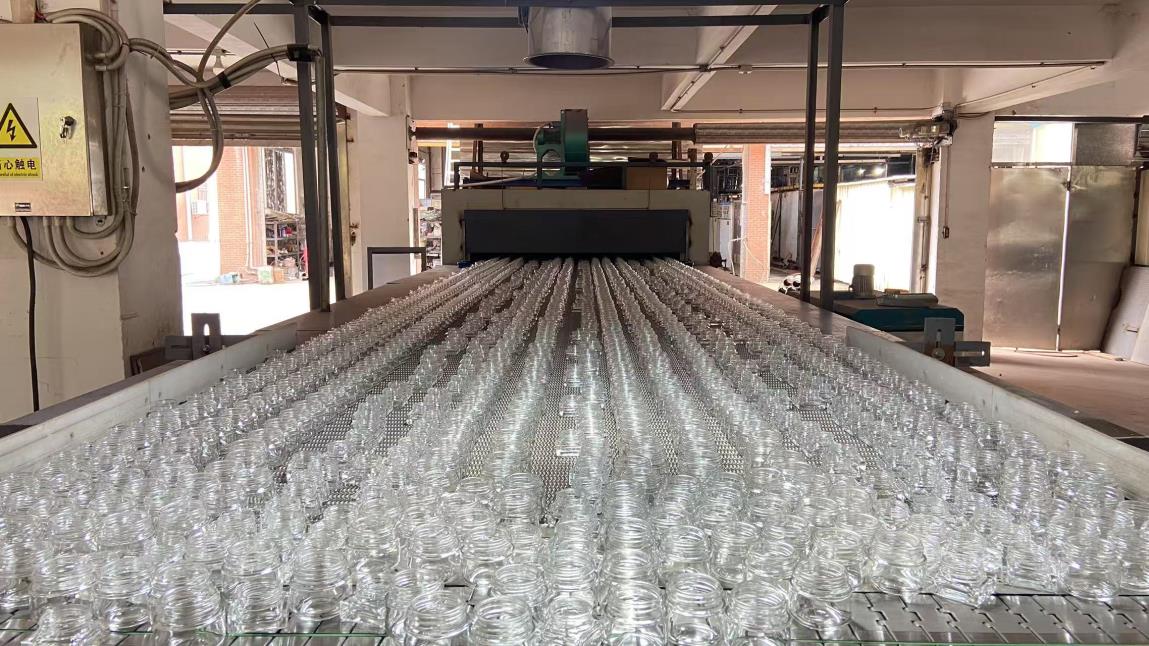
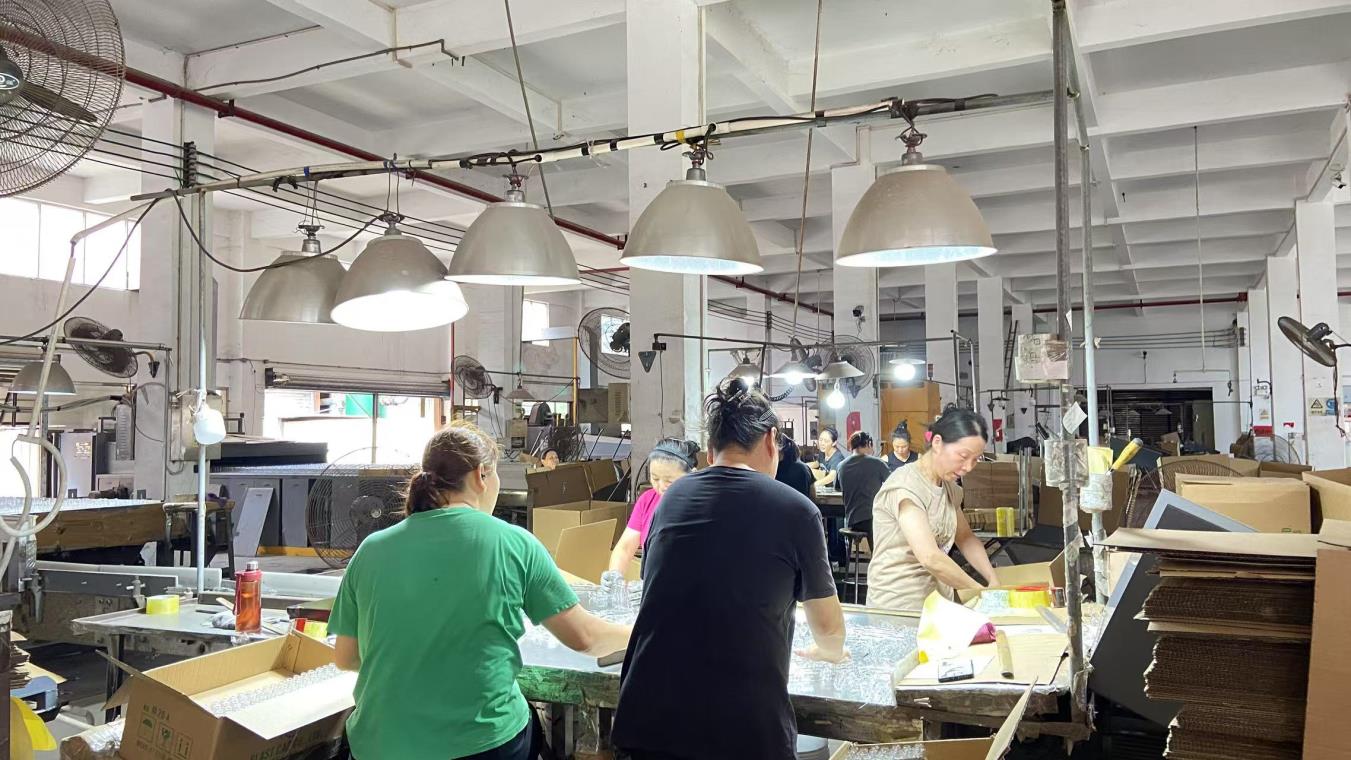
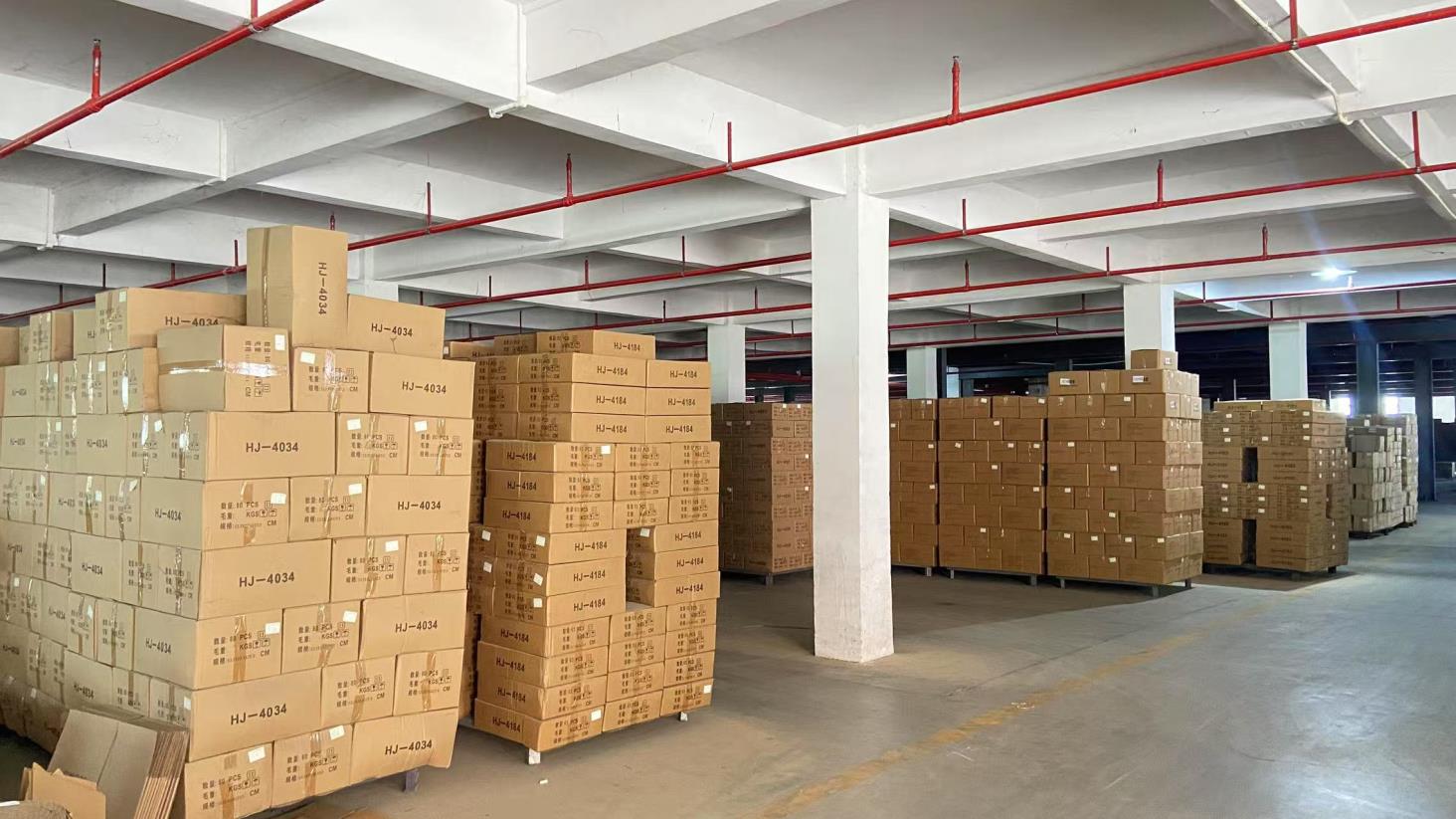
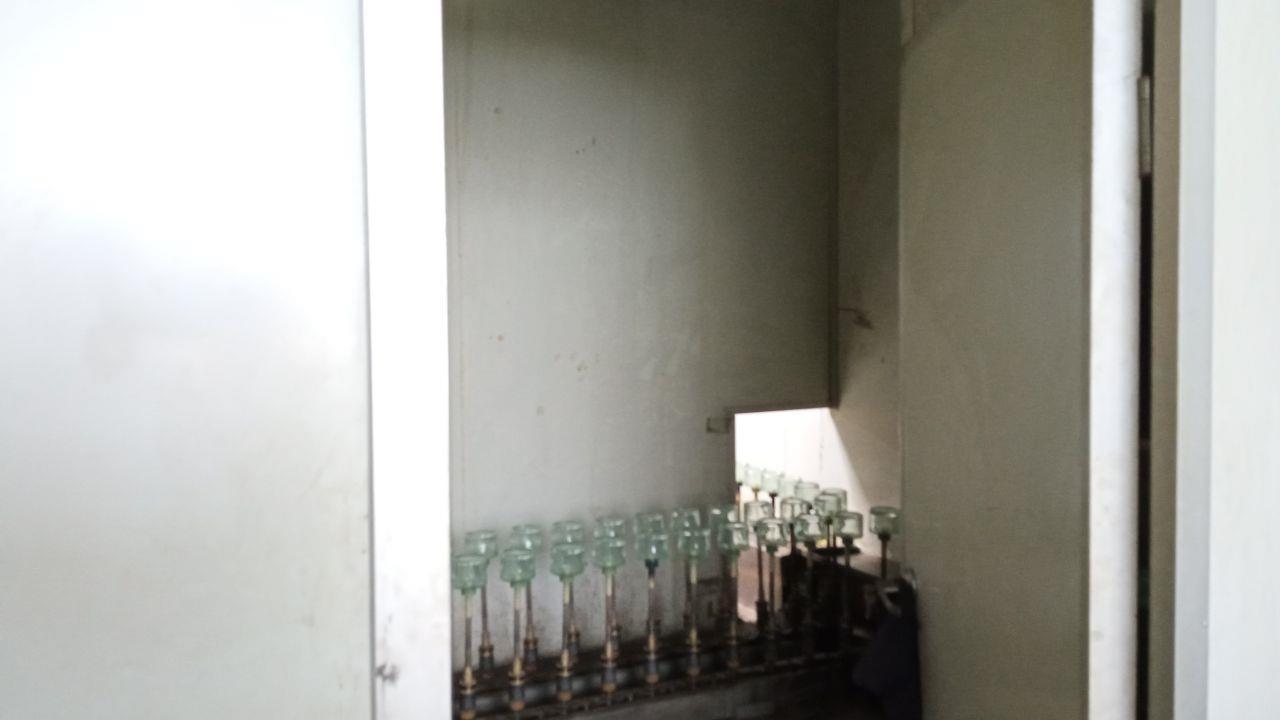
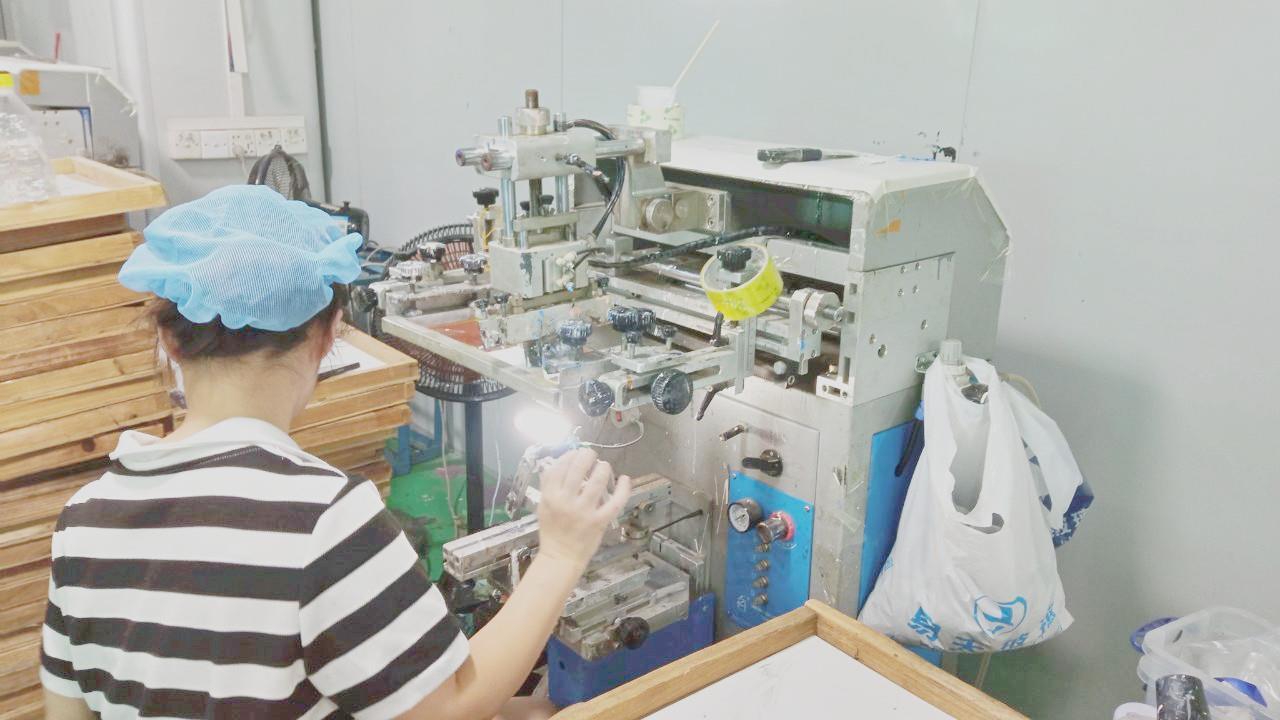
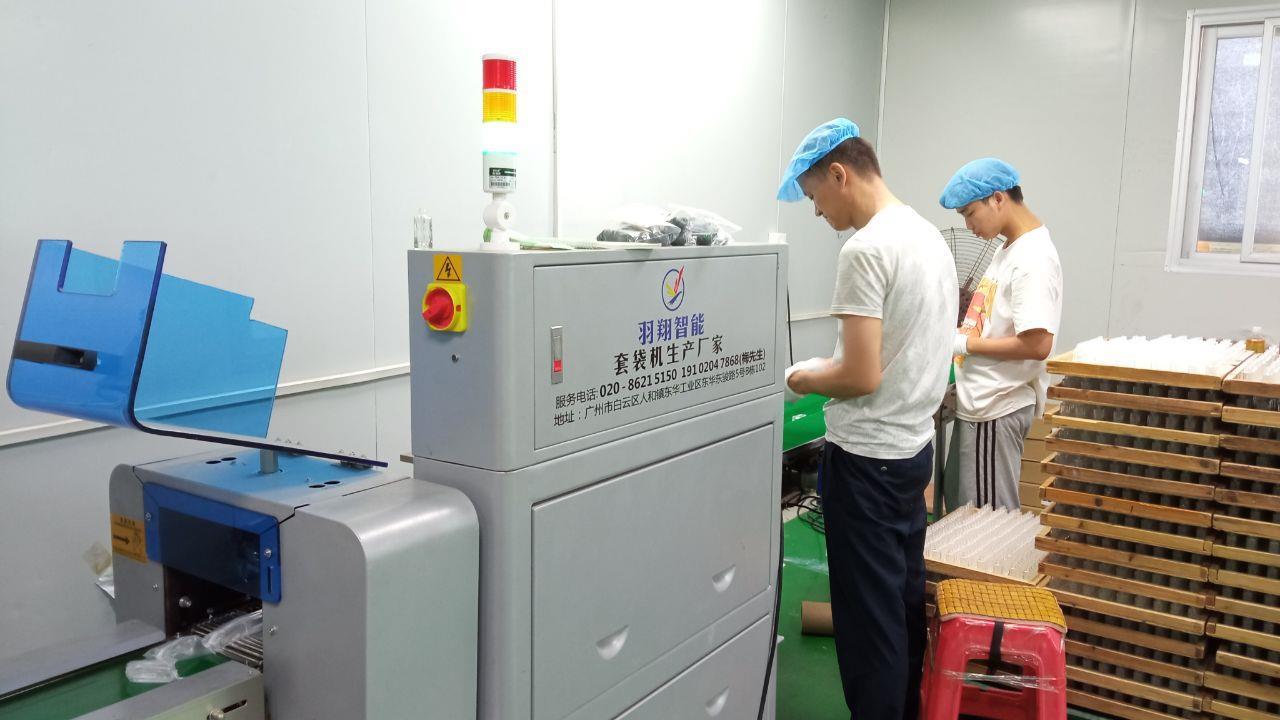
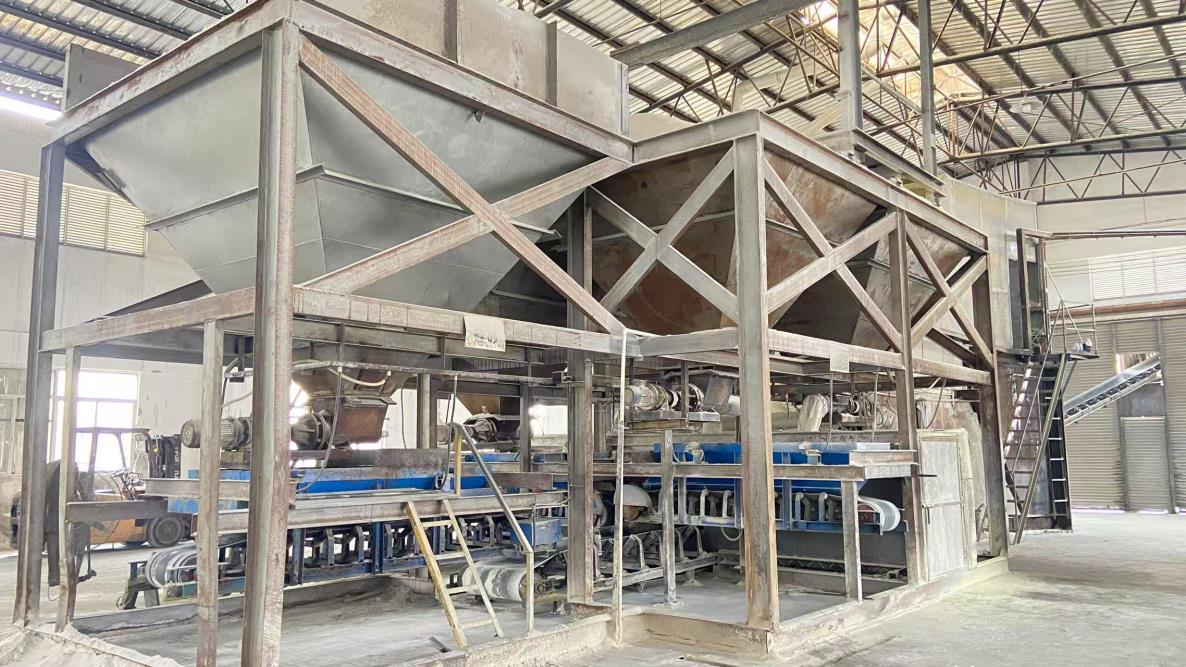
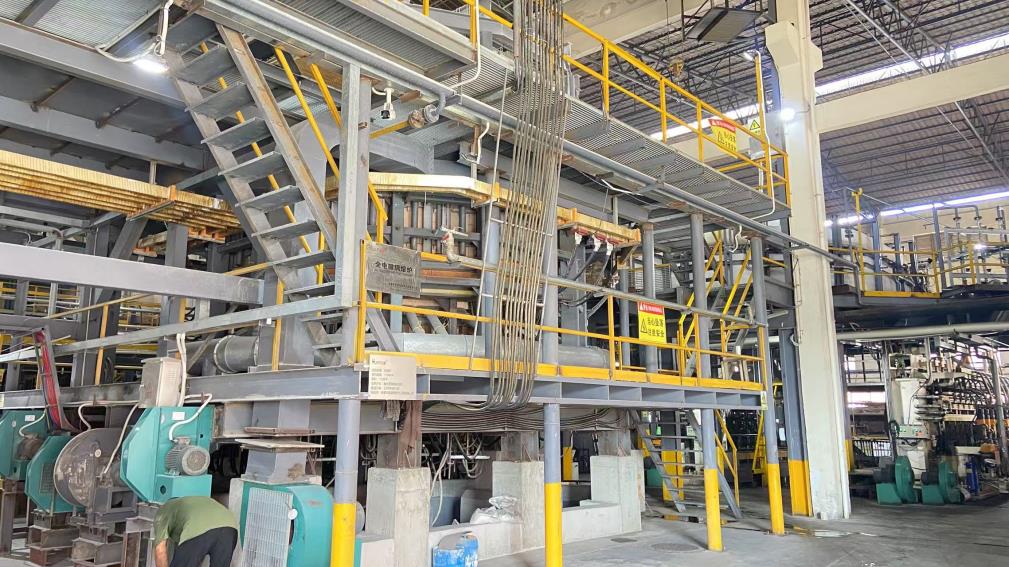
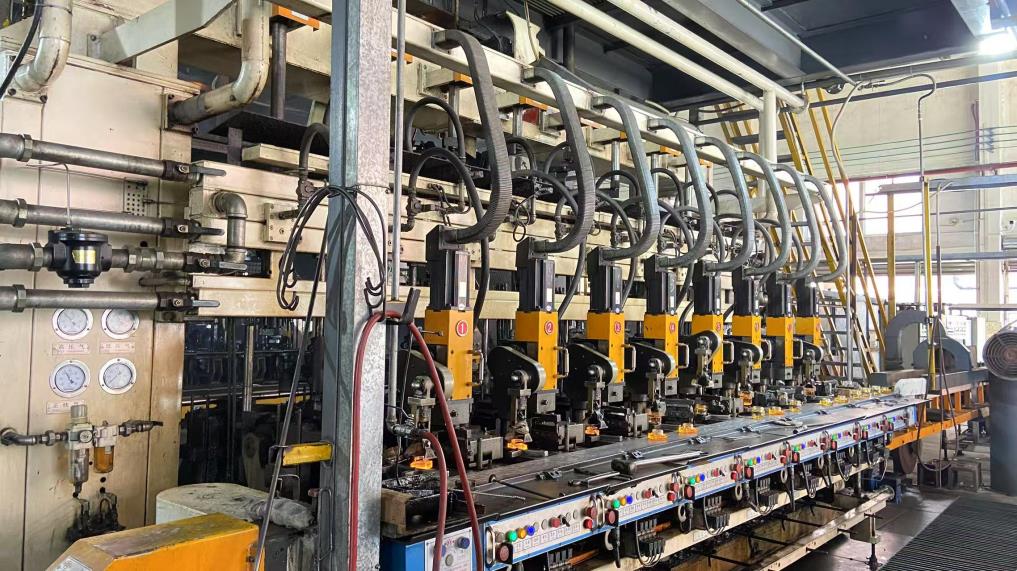
This integration of steps—from raw material blending to bottle shaping and packaging—ensures compliance with global regulatory models. Standardized workflows guarantee that contour cosmetics and packaging remain consistent over high-volume production cycles.
5. Localized Support, Maintenance, and Compliance in Toronto
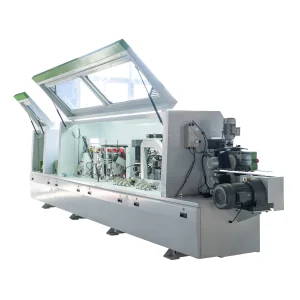
Deploying heavy machinery (such as edge-banders with contour tracking or CNC foam cutters) requires local technical support. Working with suppliers that offer service coverage in the Greater Toronto Area helps minimize unplanned operational downtime. Local engineering teams provide key benefits:
- On-Site Commissioning & Calibration: Proper installation of complex servo motors and drive tracks ensures mechanical components perform to spec.
- Rapid Tool Refurbishing: Quick access to regrinding services for tungsten carbide endmills helps extend tooling life and control operational costs.
- Regulatory Alignment: Local support networks ensure machinery complies with regional safety standards, including CSA approvals and Ontarian building codes.
Frequently Asked Questions (FAQ) - Sourcing & Procurement
Industrial Systems & Extended Catalog
A comprehensive range of contour equipment, custom pillows, cosmetic manufacturing, and specialized tooling for Toronto businesses.